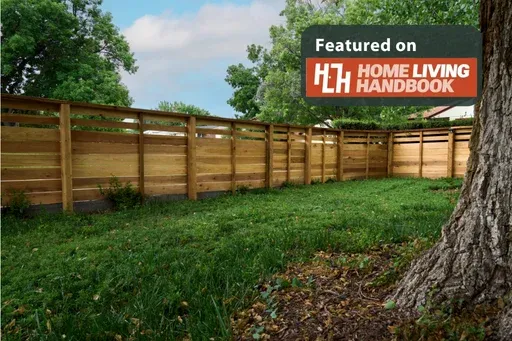
A thoughtfully designed wood fence can do more than mark the edge of a backyard. On an Oklahoma City property, it can become part of the landscape itself, providing a warm backdrop for planting beds, defining outdoor rooms, and creating a visual transition between lawn, patio, and garden areas. For homeowners considering a new project, the Top Rail Fence Oklahoma City offers access to fencing solutions that can be adapted to different backyard layouts and landscaping goals.
The natural appearance of a wood fence makes it especially useful when landscaping is meant to feel connected to the surrounding environment. Instead of treating the fence as a separate structure, the design can incorporate it into the overall composition of the yard.
Turn the fence line into a planting backdrop
A wood fence can provide a simple vertical background that allows greenery, flowers, and decorative elements to stand out.
Build layered planting areas
Planting directly along a fence line can add depth to an otherwise flat boundary. Shorter plants can occupy the foreground, medium-height shrubs can fill the middle, and taller plants can create a layered effect against the wood fence.
This arrangement can make the backyard feel more established without requiring major structural changes. It also gives landscaping a sense of direction because the fence creates a consistent visual edge behind the planting beds.
Leave room for mature growth
Landscape planning should account for the eventual size of plants rather than only their appearance immediately after installation. Trees and shrubs need adequate room for healthy growth, while the fence should remain accessible for inspection and maintenance.
Oklahoma State University Extension recommends considering a plant's mature size, site conditions, and adaptability when selecting shrubs for a landscape.
Create distinct outdoor rooms with fencing
A backyard does not have to function as one uninterrupted area. A wood fence can help establish separate zones for entertaining, gardening, relaxing, or recreation.
Frame a patio without closing it in
A fence surrounding a patio can create a stronger sense of enclosure while still leaving the space visually connected to the rest of the yard. Depending on the layout, sections of fencing can be used as background walls rather than a complete barrier.
This approach gives patio furniture, outdoor kitchens, fire features, and planters a defined setting. Careful fence installation also ensures that gates and access points remain convenient rather than interrupting the patio's natural flow.
Give garden areas their own identity
A vegetable garden, flower bed, or ornamental planting area can feel more intentional when framed by fencing. A wood fence provides a consistent boundary that separates cultivated spaces from lawn areas.
The fence can also serve as a visual anchor for trellises, planters, hanging baskets, or other decorative features, allowing the landscape to develop vertically as well as horizontally.
Match wood tones with the surrounding landscape
The appearance of the fence should complement the materials and colors already present in the backyard.
Coordinate fencing with hardscape materials
Wood can work alongside stone, brick, concrete, gravel, and pavers without making the landscape feel overly uniform. For example, a natural wood tone can soften a patio built with hard masonry surfaces, while a more refined finish can complement contemporary outdoor features.
During wood fence installation, details such as panel orientation, post placement, and gate design can be considered alongside existing landscape materials. This creates a more cohesive result than selecting the fence independently from the rest of the yard.
Use greenery to soften long fence runs
Long stretches of fencing can sometimes appear visually repetitive. Planting strategically placed shrubs, ornamental grasses, vines, or small trees can break up those lines.
The goal is not necessarily to hide the wood fence. Instead, vegetation can partially frame it, creating layers that make the boundary feel integrated into the landscape.
Design around Oklahoma City growing conditions
A successful backyard landscape needs to account for local environmental conditions as well as visual preferences.
Select plants suited to the site
Sun exposure, soil conditions, drainage, and available space all affect how landscaping performs. These considerations become particularly important when plants are positioned close to fencing, where shade patterns and available growing space can differ from the center of the yard.
A carefully planned wood fence installation should leave appropriate space for landscaping without creating unnecessary obstacles around planting areas.
Think beyond the first season
Landscaping surrounding a fence will change as plants mature. A small shrub may eventually become a substantial feature, while vines can spread across nearby structures.
Planning the relationship between the wood fence and future plant growth helps preserve access and appearance over time. This is especially important for larger plants that may require pruning or periodic maintenance.
Make gates part of the landscape composition
A gate does not have to look like an interruption in the fence. It can become a design feature that connects different areas of the backyard.
Use gates to emphasize transitions
A gate leading from the patio to a garden can signal a change in purpose between the two spaces. Another opening might connect a side walkway with the backyard while maintaining a consistent visual theme.
Thoughtful fence installation can position these access points where they naturally support movement. Gate placement should account for furniture, planting beds, pathways, and other features that influence how people use the yard.
Repeat design details for continuity
Matching the gate's material, finish, and structural details with the surrounding wood fence creates visual continuity. Decorative hardware can also reinforce the overall character of the landscape without overwhelming the natural appearance of the fencing.
Let the fence support creative backyard features
A wood fence can become useful beyond its role as a property boundary.
Add vertical interest to limited spaces
Where horizontal space is limited, fencing creates an opportunity to bring landscaping upward. Trellises, climbing plants, hanging planters, and decorative elements can add height without taking up significant ground area.
This makes the fence particularly useful in compact yards where every section of available space needs to serve a purpose.
Create a backdrop for outdoor living
An attractive wood fence can provide a visual background for seating areas, dining spaces, play areas, and other backyard features. Rather than competing with these elements, the natural texture of wood can help unify them.
For larger projects, homeowners can review available fencing and wood fence options while considering how the material will interact with the existing landscape.
Use proportion to keep the yard balanced
A successful landscape depends on relationships between elements. Fence height, planting scale, patio size, and open lawn areas should work together rather than competing for attention.
Balance solid areas with open space
A continuous wood fence can provide privacy, but the surrounding landscape should still have enough openness to prevent the backyard from feeling crowded. Lawn areas, pathways, planting beds, and patios can create visual breaks around the perimeter.
The right balance depends on the property's dimensions and intended use. A smaller yard may benefit from simpler planting arrangements, while a larger property can support multiple landscape zones.
Keep decorative details intentional
Too many competing features can make a backyard appear disconnected. Instead, repeating a small number of materials, textures, or colors can create a more unified appearance.
A wood fence provides a neutral foundation that allows homeowners to introduce personality through plants, outdoor furniture, lighting, and garden accessories without making every element compete for attention.
Bring the entire backyard concept together
The strongest landscape designs treat fencing as one component of a larger outdoor environment. A wood fence can establish the boundary, while planting beds add color, pathways guide movement, and patios create functional gathering areas.
For Oklahoma City properties, thoughtful planning also means considering how plants and outdoor features will perform as the seasons change. A fence should remain useful and visually appropriate as the surrounding landscape develops.
Top Rail Fence Oklahoma City can help homeowners approach fence installation with the broader backyard design in mind, allowing the placement, style, and structure of the wood fence to support the property's intended use.
When the fence and landscape are planned together, the result can feel considerably more intentional than a yard where the boundary was added as an afterthought. From garden backdrops to patio framing, a well-designed wood fence can provide the structure that allows creative landscaping ideas to come together.
For help planning a fencing project that complements your backyard, visit the Contact Us page to connect with Top Rail Fence Oklahoma City and discuss your wood fence installation needs.