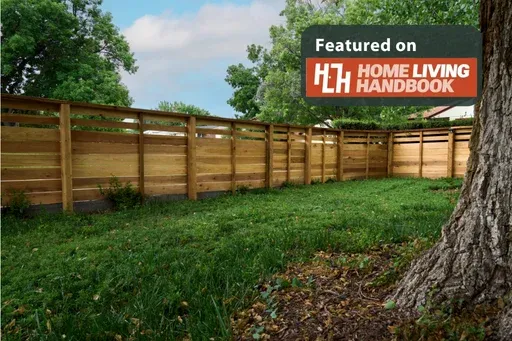
A new wood fence often becomes one of the largest visual features on a property. Yet many homeowners in Oklahoma City are surprised when a recently completed fence already feels dated compared to the rest of the landscape. The issue is not usually the craftsmanship or the quality of the materials. Instead, the problem often begins during the planning stage when the fence is designed without considering how the yard, home, and outdoor living areas will evolve over time.
Many property owners start their research by exploring the solutions available from Top Rail Fence Oklahoma City. Looking at fencing as part of the overall outdoor environment rather than a standalone structure can help prevent design decisions that quickly lose their appeal.
A successful wood fence should complement the property for years. When homeowners focus only on immediate needs and overlook future landscaping, entertainment spaces, and architectural style, even a new fence can appear outdated long before the project is truly complete.
Designing for today's yard instead of tomorrow's vision
One of the most common mistakes in wood fence installation is treating the fence as the first and only design decision.
Many homeowners install a fence before finalizing landscaping plans, patio expansions, garden areas, or outdoor gathering spaces. As these features are added later, the original fence may no longer align with the property's overall aesthetic.
Ignoring future landscape growth
Trees, shrubs, and decorative plantings mature over time. A fence that appears balanced when newly installed can eventually feel overwhelming or out of proportion once vegetation reaches its full size.
Thoughtful planning allows a wood fence to work alongside future landscaping rather than compete with it.
Overlooking outdoor living trends
Outdoor kitchens, fire pits, pergolas, and entertainment spaces have become increasingly popular throughout Oklahoma City. Fence layouts that fail to account for these additions may create awkward transitions or visual barriers that make the yard feel disconnected.
When fence styles stop matching the home's architecture
A fence should support the property's architectural identity. Problems often arise when homeowners select trendy designs that do not reflect the character of the house itself.
Following short-term trends
Certain wood fence designs gain popularity quickly because they look attractive in photos or online inspiration galleries. However, trends can change faster than permanent structures.
A design that feels modern today may seem out of place only a few years later if it does not relate to the home's architecture.
Creating visual competition
The most successful fencing projects enhance the property without demanding all the attention. Oversized decorative elements, excessive ornamentation, or highly customized patterns can compete with the home instead of framing it.
According to the Architectural Digest, cohesive exterior design often relies on balancing landscape features with architectural elements rather than allowing one feature to dominate the property.
The role wood fence materials play in long-term appeal
Not all wood fence materials age in the same way. Material selection can significantly influence how current a fence appears years after installation.
Choosing materials that weather gracefully
Natural wood develops character over time, but different species respond differently to environmental conditions. Selecting durable materials helps preserve appearance and structural integrity while reducing the likelihood of premature aging.
Considering maintenance expectations
Some homeowners choose materials based solely on initial appearance without considering ongoing maintenance requirements. Staining schedules, cleaning needs, and weather exposure all affect how a fence looks over time.
When maintenance is neglected, even high-quality wood fence materials can make a property appear older than intended.
Why proportions matter more than decorative details
Many outdated fencing projects suffer from proportion issues rather than design flaws.
Fence height and scale
A fence that is too tall can overwhelm a modest home, while one that is too short may appear disconnected from the surrounding landscape. Proper scale creates harmony between the structure and the property.
Balancing openness and privacy
Privacy remains a priority for many homeowners, but complete enclosure is not always the best design solution. Strategic spacing, varied heights, and thoughtful layouts can provide privacy while maintaining visual interest.
Property owners exploring different fencing approaches often compare options available through wood fencing solutions to find designs that fit both practical needs and long-term aesthetic goals.
Planning fence installation around the complete property experience
The best fencing projects consider how people move through and interact with outdoor spaces.
Creating natural transitions
A fence should guide visitors through the property rather than simply block access. Gates, pathways, and focal points should feel intentional and connected.
Supporting functional spaces
Whether a homeowner enjoys gardening, entertaining, or creating play areas for children, the fence should support these activities. Designing around real usage patterns helps ensure the structure remains relevant as the property evolves.
This approach often produces a more timeless result than focusing solely on property boundaries.
Avoiding the "finished too soon" mindset
One reason some wood fence projects feel outdated is that they are treated as the final phase of a project rather than part of a larger outdoor vision.
Yards change over time. New landscaping is installed. Patios expand. Outdoor furniture evolves. When fencing decisions are made without considering these future developments, the result can feel disconnected from the completed landscape.
Working with experienced professionals allows homeowners to evaluate how today's choices will influence tomorrow's outdoor environment. Many residents throughout Oklahoma City rely on Top Rail Fence Oklahoma City for guidance when planning fencing projects that remain visually appealing as properties grow and change.
A well-planned wood fence installation should enhance the property for years rather than feel outdated shortly after construction. By carefully selecting wood fence designs, evaluating wood fence materials, and considering future outdoor improvements, homeowners can create a fence that continues to complement the property long after the rest of the yard is finished.
For expert assistance with your next fencing project, contact Top Rail Fence Oklahoma City through the Contact Us page and begin planning a fencing solution designed for lasting appeal.