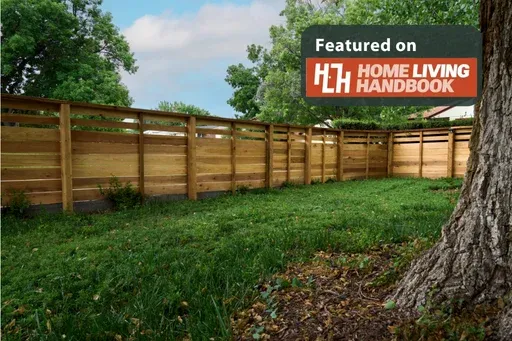
A wood fence can do much more than enclose the most visible parts of a backyard. Across Oklahoma City, side yards, narrow strips beside garages, unused corners, and spaces behind outdoor structures can all become more useful when the fence line is considered as part of the property's overall design. Through Top Rail Fence Oklahoma City, homeowners can explore fencing approaches that give overlooked areas a clearer purpose while complementing the rest of the property.
Instead of treating every fence line as a simple perimeter, thoughtful fence installation can help divide, frame, and organize outdoor areas. A strategically positioned wood fence may create a private retreat, define a garden, or turn an awkward passage into a functional part of the yard.
Give neglected corners a defined purpose
Unused sections of a yard frequently become storage areas or empty patches of grass. A well-planned fence can change how these spaces function without requiring a major landscape renovation.
Turn awkward corners into garden spaces
A corner between two property boundaries can become an ideal location for raised garden beds, container plants, or ornamental landscaping. A wood fence provides a consistent background that gives the area a finished appearance.
The vertical surface can also help distinguish the garden from surrounding lawn areas. With careful wood fence installation, the boundary can be positioned to leave enough room for planting, walking, and maintenance.
Create a quiet outdoor retreat
A neglected corner behind a garage or beside a patio can become a small seating area when it receives the right amount of privacy. A privacy fence for backyard spaces can establish separation without requiring the entire yard to be enclosed differently.
Adding a bench, compact seating arrangement, or small paved surface can give the area a specific function. The fence then becomes part of the setting rather than simply a boundary.
Rethink narrow side-yard spaces
Side yards are easy to overlook because they are frequently treated as access routes rather than usable outdoor areas. With intentional planning, however, a wood fence can help transform these narrow sections.
Separate access from relaxation areas
A side passage may need to remain accessible for moving equipment, reaching utility areas, or maintaining the property. Instead of filling the space with permanent structures, fencing can establish a clear division between functional access and more private areas.
Strategic fence installation can include gates positioned around natural walking routes. This prevents the fence from becoming an obstacle while giving the property a more organized appearance.
Make narrow spaces feel intentional
Consistent fence lines can give an unusually shaped side yard a stronger sense of order. Rather than allowing irregular boundaries to dominate the view, a carefully aligned wood fence can visually simplify the space.
The result does not have to be elaborate. Consistent panel alignment, appropriately positioned posts, and a well-placed gate can make a narrow area feel like an intentional part of the property.
Build privacy around overlooked outdoor features
Certain backyard features need separation even when they occupy relatively small areas.
Screen equipment without hiding the entire yard
Air-conditioning units, pool equipment, trash containers, and storage areas can affect the appearance of an otherwise attractive backyard. A strategically positioned wood fence can screen these features while preserving access for servicing.
This is where customized wood fence installation becomes useful. The fencing can be planned around the equipment rather than simply extending a standard perimeter line across the entire area.
Create separation around outdoor activities
A privacy fence can also distinguish children's play areas, pet spaces, or outdoor work areas from the main entertaining section of a yard.
The goal is to create visual separation without making every part of the property feel disconnected. Different fence sections can establish boundaries while maintaining a consistent material and design throughout the backyard.
Use the fence as part of the landscape
A fence does not have to compete with landscaping. In many designs, the wood fence provides the structure that allows plants and outdoor features to stand out.
Create a backdrop for planting
Flowers, shrubs, ornamental grasses, and climbing plants can look more prominent against a simple wooden background. Instead of leaving planting beds isolated in the middle of a lawn, positioning them near the fence can create depth.
The natural appearance of wood can also complement landscaping materials such as stone, brick, gravel, and concrete. This allows the fence to function as a transition between hardscape and greenery.
Consider mature plant sizes
Planting too close to fencing can create maintenance problems as vegetation grows. Roots, branches, and dense foliage may eventually interfere with access to the fence.
Before completing fence installation, the surrounding landscape should be considered as it will look several years later, not just immediately after installation. Leaving suitable clearance can make future trimming, repairs, and cleaning easier.
Improve overlooked spaces with intentional access
Gates can determine whether a newly defined area feels convenient or restrictive.
Position gates around natural movement
A gate leading from a driveway into a side yard should accommodate regular movement without forcing people to take an awkward route. Similarly, access to a garden or storage area should be positioned where it supports how the space will actually be used.
Good fence installation considers these movement patterns before posts and panels are placed.
Give each entrance a clear function
Different gates can serve different purposes. A wider gate may accommodate lawn equipment, while a narrower pedestrian gate can provide convenient access to a garden or seating area.
Using consistent materials throughout the wood fence and gates keeps these separate functions visually connected.
Consider drainage and changing yard conditions
Fence placement should also account for how water moves through a property. Low areas, downspouts, and drainage paths can influence where fencing should be installed.
The City of Oklahoma City stormwater resources provide information about local stormwater considerations that can be useful when thinking about how outdoor improvements interact with drainage.
Avoid creating unnecessary barriers
A fence should not interfere with established drainage patterns. Before completing a wood fence installation, the location of slopes, runoff routes, and existing drainage features should be considered.
This becomes especially important when an overlooked portion of the yard is being converted into a garden, seating area, or storage zone.
Make the fence work harder on compact properties
A smaller backyard does not necessarily have to provide fewer functions. Thoughtful placement can allow the same property to accommodate several distinct uses.
Divide without overbuilding
A wood fence can separate a seating area from a service zone, define a garden boundary, or provide privacy around a small retreat. These divisions can make the yard easier to navigate without filling it with unnecessary structures.
For homeowners evaluating different materials and layouts, wood fencing options can provide a starting point for considering how a fence might complement the property's existing design.
Preserve useful open areas
Not every overlooked section needs fencing. Sometimes leaving an area open creates better circulation or allows landscaping to connect different parts of the yard.
The purpose of fence installation should therefore be considered before determining where every panel belongs. A fence is most effective when it solves a specific functional or visual need.
Turn the overlooked into something useful
Rethinking the fence line can change how an Oklahoma City backyard is experienced. A forgotten corner can become a garden, a narrow side yard can gain structure, and an unattractive service area can become discreetly screened. A thoughtfully designed privacy fence can also provide separation where outdoor activities require more privacy.
Top Rail Fence Oklahoma City can help translate these ideas into a practical fencing plan that considers access, layout, privacy, and the relationship between the wood fence and surrounding landscape.
When the boundary is treated as part of the backyard design rather than an isolated structure, previously overlooked spaces can become valuable extensions of the property. For help planning your next wood fence installation or fence installation project, visit Contact Us to connect with Top Rail Fence Oklahoma City and explore ways to make more of your outdoor space.