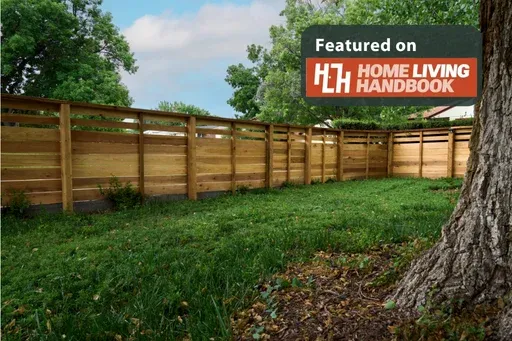
Changing soil conditions across Oklahoma City create ongoing challenges for residential fencing systems, especially in areas affected by seasonal moisture fluctuation and ground movement. For homeowners planning wood fence installation, understanding how soil expansion cycles influence alignment and long-term stability is essential for maintaining both appearance and structural consistency.
Many property owners begin planning with Top Rail Fence Oklahoma City, where fencing layouts are designed to adapt to local soil behavior, shifting ground conditions, and varying property elevations. A properly planned wood fence installation does more than create boundaries. It helps maintain alignment and durability despite the environmental changes that affect outdoor structures over time.
As clay-heavy soils expand and contract throughout the year, fencing systems across Oklahoma City experience gradual movement that can influence spacing, post positioning, and fence line consistency.
Why soil expansion affects fence alignment
Moisture fluctuations beneath fence posts
Soil expansion occurs when moisture levels increase, causing certain soil types to swell. During drier periods, the same soil contracts as moisture evaporates. These repeated cycles place pressure on fencing systems and directly affect the stability of wood fence installation.
Fence posts anchored within expanding soil may shift unevenly over time, altering the alignment of the entire wood fence structure. This movement can become more noticeable in long fence runs where pressure accumulates across multiple sections.
Uneven ground movement across the property
Not all areas of a yard expand at the same rate. Some sections retain more moisture due to shade, drainage patterns, or landscaping, while others remain drier and more compact.
This uneven expansion creates inconsistent movement beneath a wood fence, leading to slight tilting, spacing irregularities, or visible alignment changes throughout the property.
Fence planning strategies for shifting soil conditions
Flexible layout planning for long-term stability
One of the most effective approaches to wood fence installation in expanding soil conditions is designing layouts that can better accommodate subtle ground movement.
Rather than treating every section of the yard identically, installers often adjust spacing, support placement, and fence transitions based on localized soil conditions. This helps the wood fence maintain visual consistency even as the ground shifts seasonally.
Reinforced post depth and support
Fence posts serve as the structural foundation of any fencing system. In areas prone to soil expansion, deeper and more stable post installation becomes especially important.
Professional wood fence installation often includes reinforced anchoring techniques that help reduce the impact of soil movement on fence alignment over time.
Midway through planning, many homeowners explore resources such as Oklahoma State University’s guide to expansive soils to better understand how local soil behavior can affect outdoor structures and long-term property stability.
How fence styles respond to soil movement
Continuous privacy layouts and pressure buildup
Certain fence styles, particularly full privacy configurations, create larger continuous surfaces that may respond differently to shifting ground conditions.
When soil expansion affects one section of the fence line, pressure can transfer through connected panels, making alignment changes more visible across the structure.
This is why thoughtful wood fence installation planning becomes critical in neighborhoods where expansive soil movement is common.
Open designs and movement flexibility
Some fence styles allow for slightly greater flexibility due to spacing between boards or reduced surface resistance. These configurations may adapt more naturally to subtle soil changes while maintaining overall appearance.
Choosing the right wood fence layout depends on balancing privacy, appearance, and long-term structural performance.
Drainage conditions and alignment stability
Water accumulation near fence lines
Poor drainage is one of the primary contributors to soil expansion around fencing systems. Areas where water collects near fence posts often experience greater swelling during rainy periods.
A carefully planned wood fence installation takes drainage patterns into account to help reduce concentrated moisture buildup along the fence perimeter.
Managing runoff around large properties
Larger residential lots across Oklahoma City may experience varying drainage behavior across different sections of the yard. This creates uneven soil movement that can influence fence alignment differently from one area to another.
Many homeowners researching wood fence solutions prioritize layouts designed to adapt to both drainage conditions and long-term soil movement.
Seasonal expansion cycles and fence appearance
Alignment changes during wet seasons
Periods of increased rainfall can temporarily alter how a wood fence appears across the property. Slight lifting, leaning, or spacing adjustments may occur as the soil beneath the fence expands.
While small movement is often expected, proper wood fence installation helps minimize visible distortion and maintain overall structural integrity.
Dry-season contraction and structural stress
As soil dries and contracts, fence posts may settle differently depending on the surrounding ground conditions. This can create tension along connected fence panels if the system was not originally designed for movement adaptability.
Professional installation techniques help reduce these stress points and support longer-lasting fence alignment.
Long-term planning considerations for homeowners
Evaluating installation costs over time
Homeowners often focus only on initial pricing when considering wood fence installation cost, but long-term performance is equally important.
Fencing systems designed to handle soil expansion more effectively may help reduce future repair needs, alignment corrections, and maintenance expenses associated with shifting ground conditions.
Choosing layouts suited to local soil behavior
Not every fencing approach performs equally well in expansive soil environments. Some fence styles are better suited for properties where seasonal ground movement is common.
This makes property-specific planning an important part of controlling long-term wood fence installation cost while preserving structural reliability.
Installation methods that improve durability
Site evaluation before construction begins
Successful wood fence installation starts with understanding the property’s soil composition, drainage behavior, and elevation patterns.
Professionals from Top Rail Fence Oklahoma City often assess these factors before recommending fencing layouts that can better adapt to seasonal soil expansion cycles.
Adapting fence structure to environmental conditions
Every property experiences ground movement differently. Some areas may require additional support, modified spacing, or reinforced transitions to maintain proper fence alignment.
This customized approach helps the wood fence remain visually balanced despite ongoing environmental changes.
Soil movement and the importance of strategic fence planning
Expanding and contracting soil conditions across Oklahoma City can significantly influence fencing performance over time. Without proper planning, seasonal ground movement may gradually affect alignment, spacing, and structural consistency.
A carefully designed wood fence installation helps properties adapt to these environmental conditions while maintaining appearance, durability, and long-term functionality. By selecting the right fence styles, evaluating drainage patterns, and considering future wood fence installation costs, homeowners can make more informed fencing decisions.
Working with Top Rail Fence Oklahoma City provides access to professional guidance for fencing systems designed around local soil behavior and long-term property performance.
For homeowners planning a new fencing project, visit the Contact Us page to connect with Top Rail Fence Oklahoma City and explore customized wood fence installation solutions tailored to Oklahoma soil conditions.