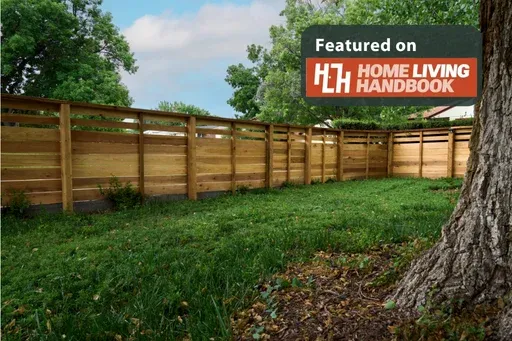
The way guests move through an outdoor space is often influenced by subtle design decisions they barely notice. Pathways, furniture placement, landscaping, and especially fence design all contribute to how comfortable and intuitive a yard feels. In many Phoenixville homes, fencing is no longer treated as just a perimeter feature. Instead, it has become part of the overall outdoor experience.
When planned carefully, fencing can encourage smoother movement between gathering spaces while helping each area feel organized and purposeful. Homeowners working with Top Rail Fence Phoenixville are increasingly exploring layouts that improve both visual structure and guest flow without making outdoor areas feel overly controlled.
Guiding movement through subtle visual cues
People naturally follow visual direction, even in outdoor environments. A thoughtful fence design can quietly shape how guests approach entrances, patios, and entertainment areas.
Using alignment to influence direction
Fence lines that align with pathways or landscaping features create a natural sense of movement. Instead of forcing guests through obvious barriers, fencing can encourage smooth transitions from one outdoor section to another.
This approach works especially well in properties where multiple activity zones exist. Dining spaces, firepit areas, and gardens all benefit when movement between them feels effortless.
Avoiding awkward traffic patterns
Poor outdoor layouts often lead to congestion around gates, narrow walkways, or seating arrangements. A strategic fence installation helps reduce these issues by creating clearer movement paths across the yard.
Open spacing, balanced placement, and thoughtful gate positioning all contribute to a more comfortable experience for visitors.
Creating outdoor destinations without physical separation
Not every outdoor area needs to be fully enclosed to feel distinct. One advantage of modern fence design is its ability to establish zones while maintaining openness.
Framing entertainment spaces naturally
Fencing can create a visual border around patios or outdoor kitchens without making those spaces feel isolated. Guests still feel connected to the rest of the property while understanding where social activity is centered.
This balance is why many homeowners explore different fence types before choosing a layout. Some styles create stronger definition, while others maintain a lighter and more flexible appearance.
Making smaller yards feel more organized
Compact outdoor spaces benefit significantly from structure. Without organization, smaller yards can quickly feel crowded or visually confusing.
A carefully planned fence design helps divide the property into manageable sections while preserving openness. Even subtle fencing transitions can improve how spacious the yard feels overall.
Why fence height changes the guest experience
Height is often discussed in terms of privacy or security, but it also affects comfort and navigation.
Lower profiles encourage interaction
Shorter fence sections help outdoor spaces feel welcoming and accessible. They allow guests to maintain visibility across the yard and feel more connected to surrounding activity.
This is one reason many homeowners in Phoenixville choose decorative or semi-open fence options around gathering areas instead of tall privacy structures.
Taller sections create intentional pauses
In some layouts, taller fencing helps slow movement and establish quieter spaces. Poolside seating areas, reading corners, or garden retreats may benefit from increased enclosure.
Combining different fence types throughout the property allows homeowners to shape the atmosphere of each section while maintaining a unified appearance.
Homeowners looking for additional outdoor planning inspiration often explore Gardenista, which features ideas for integrating structure into residential landscapes.
Blending fencing into the overall property layout
Fencing works best when it feels connected to the property rather than added afterward. The most successful projects treat fence design as part of the broader outdoor plan from the beginning.
Coordinating with landscaping elements
Trees, shrubs, flower beds, and hardscaping features all influence how fencing should be positioned. Aligning fencing with these elements creates stronger visual continuity across the yard.
A professional fence installation takes surrounding features into account, so the final result feels cohesive instead of disconnected.
Matching architectural style
Fence appearance should complement the home’s architecture and outdoor personality. Clean horizontal lines may work well for modern properties, while ornamental detailing often pairs better with traditional homes.
Because there are so many available fence options, homeowners can tailor designs to fit both functional and aesthetic goals.
In many projects, Top Rail Fence Phoenixville helps property owners identify layouts that improve movement without sacrificing curb appeal or outdoor comfort.
Reducing distractions through cleaner layouts
Overly complicated outdoor spaces can make navigation feel uncomfortable. Fencing can help simplify the environment by reinforcing order and direction.
Defining transitions between activities
Outdoor areas often serve multiple purposes at once. Cooking, relaxing, playing, and entertaining may all happen within the same property.
A thoughtful fence design helps separate these activities subtly so guests understand where one area ends and another begins. This improves flow while keeping the yard visually organized.
Limiting visual clutter
Some fencing styles introduce too many decorative elements, which can compete with landscaping and architectural details. Simpler layouts often create a more refined and inviting outdoor experience.
Many homeowners prefer streamlined fence options because they support the surrounding environment instead of dominating it.
Planning long-term functionality into the design
Outdoor spaces evolve over time, and fencing should support future changes rather than limit them.
Designing for flexibility
Families may eventually add outdoor kitchens, expanded patios, gardens, or play areas. Flexible fencing layouts make these updates easier to accommodate.
A durable fence installation also helps maintain consistency across future upgrades, allowing homeowners to expand the space without disrupting the overall design.
Supporting everyday usability
Fencing should improve how the property functions daily, not just how it looks during special occasions. Easy gate access, logical movement paths, and comfortable spacing all contribute to a more enjoyable outdoor experience.
This is one reason homeowners continue turning to Top Rail Fence Phoenixville for customized layouts that balance practicality with aesthetics.
Making outdoor navigation feel effortless
The best outdoor spaces rarely rely on obvious direction. Instead, they use subtle structure to help people move naturally from one area to another. In Phoenixville, homeowners are increasingly recognizing how impactful thoughtful fence design can be in shaping these experiences.
By combining carefully selected fence types, strategic layouts, and professional fence installation, outdoor spaces become easier to navigate, more visually balanced, and more enjoyable for guests. Whether the goal is organizing entertainment areas or creating smoother movement across the property, the right fencing approach can transform how the entire yard feels.
To explore customized fencing solutions for your property, reach out through the Contact Us page to connect with Top Rail Fence Phoenixville about your next outdoor project.