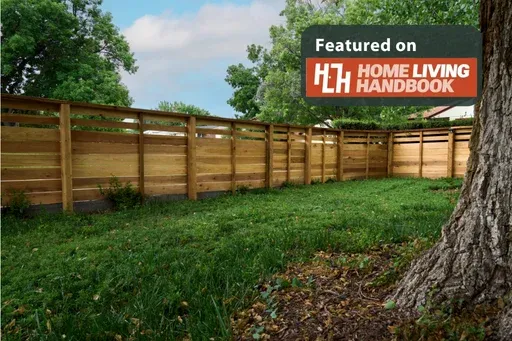
A surprising number of outdoor spaces in Phoenixville feel tighter and less usable than their actual square footage suggests. The issue is rarely the yard size itself. More often, it comes down to poor fence design choices that visually compress the space and interrupt natural flow. When fencing is placed or styled incorrectly, it can shrink perception, block sightlines, and make even large yards feel confined.
Planning often starts by reviewing layout options through Top Rail Fence Phoenixville, especially when homeowners want to correct design choices that limit how their outdoor space feels and functions. Thoughtful fence design can completely change how open a yard appears without changing its physical size.
How visual boundaries shape the way a yard feels
Outdoor perception is heavily influenced by what the eye sees first. A yard is not judged only by dimensions but by how space is visually framed and divided. When fence design is too heavy, too uniform, or poorly positioned, it can shorten depth and reduce openness.
Overly solid fencing creates visual compression
One of the most common issues is using solid, uninterrupted fencing around the entire perimeter. While this may improve privacy, it can also make the yard feel boxed in.
Strategic fence types that include spacing or variation help maintain privacy while still allowing light and visual depth to move through the space.
Poor alignment disrupts natural flow
When fencing does not follow the natural layout of the yard, it interrupts how the eye moves across the space. This can make the area feel uneven or smaller than it actually is.
Well-planned fence installation ensures alignment supports both function and visual expansion.
Why fence design mistakes affect spatial perception
Small design decisions often have a large impact on how outdoor space is experienced. Even subtle errors in fence design can alter how wide, open, or connected a yard feels.
Repetitive fence styles reduce depth
Using the same fence types around the entire property without variation can create a flat visual effect. This reduces contrast and eliminates natural focal points that help the yard feel larger.
Introducing subtle variation in height, spacing, or texture helps restore depth and dimension.
Incorrect height selection limits openness
Fencing that is too tall in every section can block sightlines, making the yard feel enclosed. On the other hand, inconsistent height without planning can create visual confusion.
Balanced fence design considers where height is needed for privacy and where openness should be preserved.
How installation quality influences perceived space
Even a strong design can lose its effectiveness if installation is not handled properly. Precision in fence installation plays a major role in how spacious a yard feels after completion.
Misaligned sections distort perspective
If fence lines are uneven or not properly leveled, they can make the yard appear smaller or irregular. Straight, well-measured installation supports visual clarity and structure.
Proper fence installation helps maintain consistent spacing and alignment across the entire perimeter.
Poor transitions between sections break flow
When different fence types are not connected smoothly, the yard can feel segmented rather than unified. This fragmentation reduces the sense of openness.
A well-executed installation ensures transitions feel intentional and visually connected.
Material and style choices that influence space perception
Different materials and styles can either expand or compress how a yard feels. Choosing the right combination is a key part of effective fence design.
Vinyl fence installation for clean visual continuity
Many homeowners prefer vinyl fence installation because it offers a consistent and clean appearance. When used correctly, it can support a modern fence design that keeps sightlines smooth and uncluttered.
However, without thoughtful layout planning, even vinyl can contribute to a boxed-in effect if overused without variation.
Wood fence installation for natural depth
Wood fence installation introduces texture and warmth, which can help break up visual monotony. When paired with the right fence types, wood fencing can create layered outdoor spaces that feel more open and natural.
This variation helps prevent the yard from feeling like a single enclosed box.
Why repairs and maintenance also affect visual space
It is not only design and installation that influence how large a yard feels. Condition over time also plays a role. Damaged or neglected fencing can distort perception and reduce overall appeal.
Uneven or aging fencing reduces visual clarity
When sections of fencing begin to lean, fade, or warp, the yard loses visual consistency. This can make the space feel older and smaller than it is.
Timely fence repair helps restore structure and maintain clean visual lines that support a more open feel.
Broken sections interrupt flow and structure
Even small areas of damage can break continuity in fence design, drawing attention to imperfections instead of the space itself. Repairing these issues helps restore balance and clarity.
Consistent maintenance ensures the yard continues to feel intentional and well-organized.
How better fence design restores openness without expansion
The most important insight in outdoor planning is that space perception can be improved without changing actual size. Thoughtful fence design corrects visual limitations and improves usability.
Strategic openness improves depth perception
Introducing selective spacing, varied fence types, and intentional breaks in structure allows the eye to travel further across the yard. This creates the illusion of more space.
Functional layout supports better movement
When fence installation is planned around how people move through the yard, the space feels more natural and less confined. This improves both usability and comfort.
For broader insight into outdoor layout planning and spatial design principles, the Architectural Digest outdoor design guide offers helpful visual examples.
Why correcting fence design mistakes transforms outdoor living
A backyard does not need to be larger to feel more open. It needs to be better structured. When fence design is corrected, the entire perception of space changes.
Working with Top Rail Fence Phoenixville ensures that design, installation, and material choices are aligned with how the yard is meant to feel and function. The expertise of Top Rail Fence Phoenixville helps prevent common mistakes that reduce visual space and supports layouts that feel open, balanced, and intentional.
For professional assistance with fence installation, fence types, or fence repair, visit the Contact Us page and connect with Top Rail Fence Phoenixville to start improving your outdoor space today.