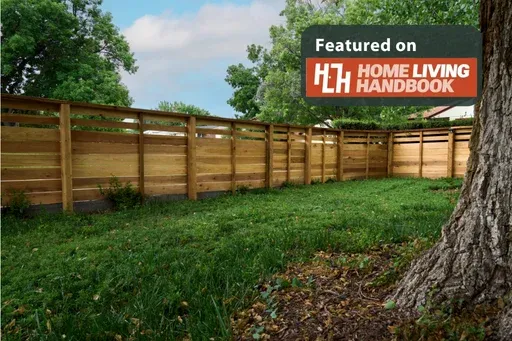
Outdoor spaces work best when they feel organized without becoming overly segmented. In many Phoenixville homes, homeowners are rethinking how fencing can shape the experience of a yard while still preserving openness and connection. Instead of using fencing purely as a barrier, modern fence design is increasingly focused on creating subtle transitions between spaces.
This approach allows different parts of the yard to serve unique purposes without making the property feel closed off or visually disconnected. With guidance from Top Rail Fence Phoenixville, homeowners are finding ways to use fencing as a design tool that supports flow, comfort, and functionality at the same time.
Defining activity areas without isolating them
A well-planned yard often includes several outdoor functions within the same space. Entertainment zones, gardens, dining areas, and quiet retreats all benefit from structure, but excessive separation can make the property feel smaller.
Creating soft transitions between spaces
One of the biggest advantages of intentional fence design is the ability to suggest boundaries without completely enclosing each area. Partial fencing, decorative panels, and open layouts help define zones while maintaining visibility across the property.
This creates a more relaxed atmosphere where outdoor sections feel connected rather than restricted.
Encouraging movement throughout the yard
Guests naturally move through outdoor spaces differently depending on how the environment is structured. Strategic fence installation can help guide movement toward patios, seating areas, or pathways without relying on obvious dividers.
The result is a layout that feels easier to navigate while still offering organization and purpose.
Using openness to maintain visual continuity
One reason some fenced yards feel cramped is that the design interrupts sightlines too aggressively. Open and balanced layouts prevent that problem.
Choosing fencing that supports visibility
Many homeowners in Phoenixville prefer open-profile fence styles because they preserve the sense of spaciousness. Vertical pickets, spaced panels, and lighter materials help maintain visual continuity between different outdoor sections.
This allows landscaping, hardscaping, and architectural features to remain part of the overall experience.
Preventing outdoor spaces from feeling boxed in
Heavy fencing around every section of a yard can create unnecessary separation. Instead, modern residential fencing often uses selective placement to define areas only where structure is truly needed.
This keeps the property visually connected while still improving functionality.
Balancing privacy with accessibility
Privacy is important, but too much enclosure can affect how welcoming an outdoor space feels. Effective fence design finds a balance between comfort and openness.
Creating quieter retreat areas
Some sections of the yard naturally benefit from additional separation. Reading corners, hot tubs, or shaded seating areas may require more privacy than entertainment spaces.
In these situations, taller sections of residential fencing can create a sense of retreat while still blending with the overall property layout.
Keeping social spaces visually open
Dining patios and entertainment zones often feel more inviting when visibility remains open. Lower-profile fencing or decorative partitions help maintain interaction between guests while still giving each area its own identity.
Because there are so many available fence styles, homeowners can tailor the atmosphere of each outdoor zone without disrupting consistency.
For homeowners interested in broader outdoor planning ideas, Sunset Magazine offers inspiration on organizing residential landscapes for comfort and usability.
Integrating fencing into landscaping strategies
Fencing should support the natural flow of the property rather than compete with surrounding elements.
Coordinating with plants and hardscaping
Trees, pathways, retaining walls, and garden beds all influence where fencing should be placed. A thoughtful fence installation works alongside these features to reinforce movement and visual harmony.
Aligning fences with landscape lines also prevents outdoor areas from feeling cluttered or overdesigned.
Supporting layered outdoor depth
Some properties benefit from gradual transitions between sections instead of immediate visual breaks. Combining greenery with carefully positioned fencing creates depth throughout the yard.
This layered approach helps outdoor spaces feel larger and more dynamic while still maintaining organization.
Mid-project planning often becomes easier when homeowners explore customized fence design ideas that align with both landscaping and long-term property goals.
Choosing layouts that adapt to changing needs
Outdoor living spaces rarely stay the same forever. Families expand gathering areas, add recreational features, or redesign landscaping over time. Flexible fencing layouts make those transitions smoother.
Designing zones with future updates in mind
One advantage of modern fence design is adaptability. Instead of rigid layouts that limit future changes, many homeowners choose fencing configurations that can evolve alongside the property.
This is especially valuable for growing families or homeowners planning future outdoor upgrades.
Supporting everyday outdoor functionality
Good fencing should improve daily use, not simply enhance appearance. Gate placement, pathway visibility, and spacing all contribute to how comfortable a yard feels throughout the year.
This practical focus is one reason many homeowners continue working with Top Rail Fence Phoenixville when developing long-term outdoor plans.
Avoiding overly complicated outdoor layouts
Sometimes, less structure creates a better experience. Overusing fencing or mixing too many styles can make a property feel disjointed.
Keeping visual language consistent
A unified appearance helps outdoor zones feel intentional rather than random. Matching materials, finishes, and proportions across the property creates smoother transitions between sections.
Even when different fence styles are used, consistency in color or spacing helps maintain cohesion.
Allowing the yard to breathe
Outdoor spaces need a balance between structure and openness. Fencing should support how people use the property while still allowing landscaping and architecture to stand out naturally.
Well-executed residential fencing creates order without overwhelming the environment.
Creating connected outdoor spaces through thoughtful planning
The most inviting outdoor spaces are often the ones that feel naturally organized rather than heavily divided. In Phoenixville, homeowners are increasingly using fence design to create outdoor “zones” that improve functionality while preserving openness and connection.
By combining strategic fence installation, adaptable fence styles, and carefully planned residential fencing, outdoor areas become easier to navigate and more enjoyable to use. Every section of the yard can serve its purpose without making the property feel separated into isolated compartments.
Whether the goal is organizing entertainment areas, improving visual flow, or supporting future outdoor upgrades, Top Rail Fence Phoenixville can help homeowners create layouts that balance structure with comfort. To learn more about customized fencing solutions, visit the Contact Us page and explore ideas tailored to your property’s unique layout and lifestyle goals.