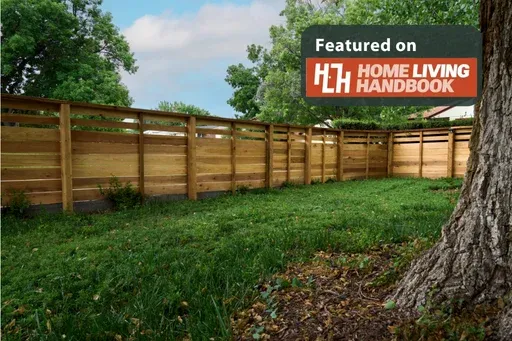
Side yards are easy to overlook because they are often narrow, tucked between structures, or treated simply as pathways from the front to the backyard. Yet these spaces can serve practical and visual purposes when they are planned with intention. Vinyl fencing can help Phoenixville homeowners turn these underused areas into organized garden corridors, utility zones, pet spaces, or quiet extensions of the main yard. With guidance from Top Rail Fence Phoenixville, a carefully planned vinyl fencing project can give these forgotten areas a more deliberate role without making them feel cramped.
Rethinking what a side yard can accomplish
A narrow strip of land does not necessarily have to remain empty space. With the right arrangement, a side yard can support storage, gardening, circulation, or separation between different parts of the property.
The fence becomes part of that transformation by defining how the area is used.
Creating a dedicated garden passage
A side yard can become an attractive transition between the front and rear portions of a property. A vinyl fence along one or both sides can provide structure for a pathway while keeping the space visually tidy.
Plants can then be positioned along the fence line to introduce color and texture without allowing the garden to spill into the walking area.
Separating utility areas from entertaining spaces
Trash bins, gardening equipment, air-conditioning units, and other practical features do not always contribute to the appearance homeowners want in an entertaining area. A strategically placed vinyl fence can screen these features while preserving convenient access.
Instead of trying to make utility equipment disappear completely, the fence creates a controlled visual boundary around it.
Giving overlooked corners a defined purpose
Corners of a property can become valuable when their function is considered before installation. A small section of unused yard might become a container garden, pet area, equipment storage zone, or quiet seating space.
A vinyl fence installation can establish the separation needed to make that purpose clear.
Turning narrow areas into garden retreats
Even a modest side strip can support planters, raised beds, or shade-tolerant plants. A fence provides a consistent backdrop that helps organize these features.
Penn State Extension notes that garden design should consider factors such as site conditions, existing structures, pathways, and how the space will be used. Its guidance on garden design also emphasizes scale, balance, repetition, and focal points. (Penn State Extension) These principles can be applied when planning a side-yard garden around new vinyl fencing.
Establishing a private utility corridor
A side yard can also provide access to mechanical equipment, sheds, or service areas. Instead of leaving the entire corridor exposed, fencing can establish a visual division between these practical spaces and the more decorative portions of the property.
A gate incorporated into the vinyl fencing can maintain access whenever maintenance or repairs are required.
Using vinyl fencing to adapt to changing garden styles
Gardens rarely remain exactly the same. Plant preferences change, landscaping expands, and homeowners may redesign portions of their yards over time.
One advantage of planning with vinyl fencing is that the fence can provide a consistent structural element while the planting scheme changes around it.
Creating a neutral backdrop for new plants
A simple vinyl fence can provide a clean background for colorful flowers, shrubs, vines, and container arrangements. This allows the garden to evolve without requiring the fence itself to change every time the landscaping is updated.
The result is a flexible outdoor backdrop that can accommodate different planting styles.
Supporting seasonal transformations
A side yard can look dramatically different throughout the year. Spring flowers may dominate one section, while summer foliage, autumn color, or winter greenery creates another appearance later in the year.
A consistent vinyl fence gives these seasonal changes a stable visual foundation.
Making narrow spaces feel organized rather than confined
Side yards can easily feel crowded when fencing, plants, storage, and walkways are added without considering proportions. The goal should be to establish boundaries while preserving enough room for comfortable movement.
Choosing fence placement carefully
A vinyl fence installation should account for the width of the passage and the location of doors, gates, windows, utilities, and drainage areas.
Positioning the fence too close to an access point can make the space difficult to navigate. A well-planned layout leaves practical clearance while still providing the desired separation.
Using fence height strategically
A tall fence can provide stronger privacy, but it may feel imposing in a particularly narrow area. Lower or partially open approaches can provide definition while preserving a greater sense of space.
The right height depends on whether the primary goal is privacy, screening, security, garden structure, or simple separation.
Creating useful separation between neighboring properties
Side yards frequently sit directly beside neighboring homes or yards. This makes them particularly suitable for fencing when homeowners want a clearer sense of separation.
Vinyl fencing can establish a consistent boundary while providing a finished appearance along an area that may otherwise feel exposed.
Creating a calmer outdoor environment
A properly positioned fence can reduce visual distractions from neighboring properties and help a narrow side yard feel more intentional.
For properties where privacy is important, a solid vinyl style can create a stronger sense of enclosure. Where openness is preferred, a more decorative configuration can maintain visibility.
Establishing a boundary without constant upkeep
Vinyl is often selected for its clean appearance and relatively straightforward maintenance requirements. Unlike natural wood, it does not require routine staining to preserve its original finish.
That can make it an appealing material for side yards where homeowners want a defined boundary without turning the fence itself into a major maintenance project.
Connecting side yards to the rest of the property
A side yard should not feel like a completely separate landscape. Its fence, planting choices, gates, and pathways can connect visually with features found in the front and backyard.
A coordinated vinyl fence can make the entire property feel more cohesive.
Repeating materials and design details
Using the same fence style along connected areas creates continuity. Matching gates and consistent post spacing can further reinforce the relationship between the side yard and the primary outdoor spaces.
This approach allows the side yard to have its own function while remaining part of the larger property design.
Creating transitions between landscape zones
A side passage can connect a formal front garden with a more relaxed backyard. Fence placement can emphasize that transition while helping visitors understand where one landscape area ends and another begins.
The result is a property that feels intentionally planned from one end to the other.
Planning around doors, windows, and service access
Side yards often contain features that cannot simply be moved. Exterior doors may open into the space, basement windows may face the passage, and utility connections may require regular access.
These details should be considered before beginning a fence installation.
Preserving convenient access
A gate should be positioned where it can be reached comfortably and used without interfering with doors, equipment, or pathways. If the side yard serves as a route for moving lawn equipment or accessing the backyard, the gate should accommodate that purpose.
Thoughtful planning prevents the finished fence from becoming an obstacle.
Keeping drainage considerations in view
Water movement can also influence fence placement. Low areas, downspouts, grading, and existing drainage routes should be identified before construction.
A fence should complement the property's existing drainage strategy rather than unintentionally obstructing water movement.
Considering the investment before choosing a style
The vinyl fence cost for a project can vary depending on the fence's dimensions, style, height, layout, gates, site conditions, and installation requirements. A narrow side yard may require less material than a complete perimeter, but difficult access or unusual property conditions can affect the overall project.
Looking beyond the initial price
The lowest upfront vinyl fence cost is not necessarily the best value if the design does not meet the property's needs. A suitable fence should provide the right combination of appearance, function, durability, and accessibility.
Comparing the scope of the project rather than looking at material price alone can provide a more useful basis for decision-making.
Planning the complete side-yard layout
Before requesting an estimate, identify what the space needs to accomplish. Decide whether the fence will screen equipment, protect plants, create a pet area, establish privacy, or simply organize the pathway.
A clear purpose makes it easier to determine the appropriate fence height, gate locations, and overall configuration.
Giving Phoenixville's forgotten spaces a new role
A side yard does not have to remain a narrow strip that people pass through without noticing. With thoughtful planning, vinyl fencing can help transform overlooked spaces into functional parts of the landscape.
For Phoenixville homeowners, the possibilities extend beyond a conventional property boundary. A vinyl fence can frame garden paths, screen utility areas, create pet zones, protect planting areas, organize storage, and establish privacy between neighboring properties. Top Rail Fence Phoenixville can help homeowners evaluate how fence placement, style, access, and landscaping can work together to make better use of these spaces.
Ultimately, successful vinyl fencing is about more than enclosing land. It is about giving every portion of the property a purpose while maintaining a consistent visual connection between outdoor areas. Whether you are considering a small side-yard project or a broader fence installation, understanding the space first can lead to a more practical and attractive result. To discuss your project and explore available options, visit Contact Us and connect with Top Rail Fence Phoenixville.