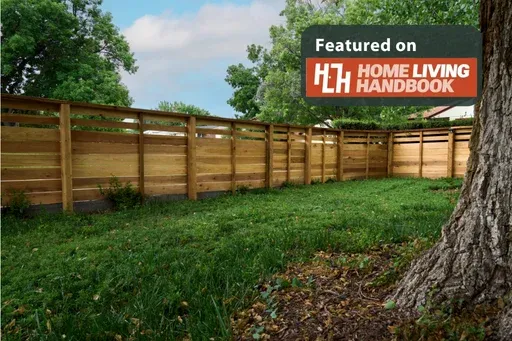
A backyard can contain a patio, lawn, garden beds, walkways, play areas, and outdoor seating without feeling like a single cohesive space. The right vinyl fencing can help connect these individual features by introducing a consistent visual element throughout the landscape. In Phoenixville, where backyards can range from compact residential spaces to larger properties with established landscaping, a thoughtfully planned fence can provide structure without making the yard feel divided. With assistance from Top Rail Fence Phoenixville, homeowners can incorporate vinyl fencing into a broader backyard design that feels intentional from one area to the next.
Giving separate backyard features a common visual thread
A unified backyard does not require every feature to look identical. Instead, repeated design elements can create relationships between spaces that serve completely different purposes.
A vinyl fence can provide that common thread by establishing consistent lines, proportions, and finishes throughout the landscape.
Connecting patios with surrounding lawn areas
A patio may serve as the primary gathering area, while the lawn provides room for recreation or informal activities. A fence positioned near the patio can define its edges without creating a hard division between the two.
When the same vinyl fencing continues along another section of the yard, the separate areas begin to feel like parts of one larger landscape.
Establishing continuity around garden features
Garden beds can have irregular shapes and changing colors throughout the year. A consistent fence behind or beside those areas provides a stable visual element.
The contrast between structured vinyl fencing and organic planting shapes can make the landscaping feel more deliberately arranged.
Designing around the way the backyard is actually used
Every backyard has its own rhythm. Some spaces are centered around entertaining, while others prioritize gardening, recreation, pets, or quiet relaxation.
The location of the fence should respond to these activities instead of treating the yard as one undifferentiated area.
Creating a dedicated entertainment zone
A section of vinyl fencing can help define an outdoor dining or seating area without requiring walls around it. This can make the space feel more intentional while keeping it connected to the rest of the yard.
A gate or opening can then provide an easy transition between the entertainment area and adjacent lawn or garden spaces.
Giving children and pets their own boundaries
A backyard may need open areas for play while still requiring clear limits around certain features. Vinyl fencing can establish those boundaries while maintaining a consistent appearance with the rest of the property.
For pet areas in particular, thoughtful placement can create a contained space without making it feel disconnected from the rest of the yard.
Using fence lines to organize an irregular landscape
Not every backyard has a simple rectangular shape. Trees, retaining walls, sheds, gardens, patios, and changes in elevation can create complicated layouts.
Rather than forcing every feature into a rigid pattern, a carefully planned vinyl fence installation can follow the property's existing characteristics.
Working with unusual corners
An awkward corner can become a useful feature when it is incorporated into the fence plan. A small enclosed section could become a garden nook, equipment area, or secluded seating space.
This approach turns an area that might otherwise feel unfinished into an intentional part of the backyard.
Following the property's natural flow
Fence lines can follow existing walkways and landscape transitions rather than cutting directly across them. This helps people move through the yard naturally while maintaining visual consistency.
The result is a backyard where the fence supports circulation instead of creating unnecessary obstacles.
Creating visual balance with different fence heights
A cohesive backyard does not necessarily require the same fence height everywhere. Different sections may have different functional requirements.
A backyard fence can be taller where privacy is important and lower where visibility or openness is preferred.
Adding privacy where outdoor living happens
A taller section of vinyl fencing can create greater separation around a seating area, outdoor kitchen, or dining space. This can make the area feel more comfortable while reducing visual distractions from neighboring properties.
The rest of the yard can remain more open if complete enclosure is unnecessary.
Keeping landscape features visible
Lower fencing can define garden borders, pathways, or recreational areas without blocking views. This allows homeowners to maintain visual connections between different parts of the property.
Using varied heights strategically can also prevent a large yard from appearing visually heavy.
Coordinating gates with the backyard layout
Gates are functional elements, but they also contribute to how different spaces relate to one another. Their placement can influence circulation and determine how easily people move from one outdoor area to another.
Creating purposeful entry points
A gate positioned between a patio and garden can establish a clear transition without creating a completely separate enclosure.
Similarly, a wider gate can provide access for lawn equipment, wheelbarrows, or outdoor furniture, while a narrower pedestrian gate can serve everyday foot traffic.
Repeating design details for consistency
Matching gate styles with the surrounding vinyl fencing helps the installation feel unified. Consistent posts, colors, and panel patterns create visual repetition that connects different sections of the yard.
These small details can be particularly important when fencing appears in several locations around the property.
Pairing vinyl fencing with changing landscaping
Landscaping can change dramatically over time. Trees grow, flower beds expand, and homeowners may replace one planting style with another.
A consistent vinyl fence provides a stable framework that allows those changes to happen without requiring the entire outdoor design to be reconsidered.
Providing structure behind seasonal planting
Spring flowers, summer greenery, autumn foliage, and winter landscaping can each create a different appearance. The fence remains consistent while the surrounding landscape changes.
This makes vinyl fencing useful as a visual anchor for gardens that evolve throughout the year.
Balancing organic and structured forms
Plants introduce irregular shapes, textures, and colors. Fence panels provide repetition and predictable lines.
Combining the two creates contrast that can make both elements more noticeable. The fence gives the garden structure, while the plants soften the fence's appearance.
Homeowners interested in comparing styles can explore vinyl fencing options that can complement different backyard layouts.
Landscape design works best when hardscape elements and planting areas are considered together. The National Association of Landscape Professionals provides resources on landscape planning and professional practices, making it a useful reference when considering how vinyl fencing can work alongside gardens, patios, lawns, and other backyard features. A coordinated approach can help ensure that the fence supports the overall landscape rather than appearing as an isolated addition.
Considering the practical side of fence installation
A visually cohesive design still needs to work in everyday conditions. Before beginning fence installation, factors such as drainage, property lines, gates, existing structures, and access points should be considered.
Allowing room for maintenance
Fence placement should not make it unnecessarily difficult to access plants, exterior walls, utility equipment, or other features. Maintaining appropriate clearance can make future yard care easier.
This is particularly important when fencing runs close to gardens or structures.
Planning for future backyard changes
Backyards rarely remain unchanged. A homeowner may add a pergola, expand a patio, install a pool, or redesign a garden several years after the fence is installed.
A flexible vinyl fence installation can account for potential changes by avoiding unnecessarily restrictive layouts and positioning gates where future access is likely to remain useful.
Creating a backyard that feels intentionally connected
A unified backyard is created through relationships between features, not simply by filling the property with matching materials. Vinyl fencing can provide one of those relationships by repeating consistent lines, colors, heights, and design details throughout the landscape.
Top Rail Fence Phoenixville can help homeowners consider how fencing interacts with patios, gardens, lawns, walkways, gates, and other outdoor features. The goal is to create a layout where each area maintains its own purpose while still belonging to the same overall backyard.
Making every section contribute to the whole
For Phoenixville homeowners, a well-planned vinyl fencing design can make an ordinary backyard feel more deliberate and complete. A backyard fence can define an entertainment area, organize garden spaces, create practical boundaries, and connect separate landscape features without making the property feel fragmented.
Because vinyl provides a consistent appearance across different sections, it can serve as a reliable visual foundation as landscaping and outdoor activities evolve. Whether the project involves a small garden boundary or a larger fence installation, thoughtful planning can ensure the fence supports both the appearance and everyday function of the yard. To discuss your backyard plans and explore installation possibilities, visit Contact Us and connect with Top Rail Fence Phoenixville.