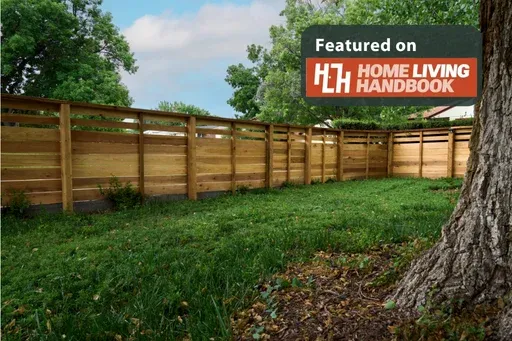
When planning a fence installation in Seattle, property boundaries are only one part of the conversation. A growing number of households are looking beyond lot lines and thinking about how their outdoor spaces may evolve over the next several years. A backyard that currently serves as open lawn space may eventually include a fire pit, outdoor kitchen, garden beds, a play area, or an expanded patio. Planning a fence around future use rather than existing conditions can help avoid expensive changes later.
Before making decisions about layout and placement, many residents review local options through Top Rail Fence Seattle to better understand how strategic fencing can support long-term outdoor goals. A carefully planned fence installation does more than define property edges. It helps shape how a yard functions as new projects are added over time.
Why future planning creates better fence outcomes
A fence remains in place for years, while outdoor living spaces often change multiple times. Designing fencing around anticipated improvements can make the property more flexible and functional.
Instead of focusing solely on where the property line sits today, homeowners benefit from considering where pathways, gathering areas, and landscape features may be located in the future.
Thinking beyond today's backyard layout
An empty corner of the yard may eventually become a garden retreat. A simple patio could later expand into a covered entertaining space. When a fence installation is planned with these possibilities in mind, future projects integrate more naturally into the overall property design.
Avoiding costly adjustments later
Relocating sections of fencing after construction projects begin can add unnecessary expenses. Strategic planning helps ensure gates, access points, and fence alignments continue supporting the property even as outdoor features evolve.
Supporting long-term property value
Well-planned fence design contributes to both functionality and curb appeal. Future buyers often appreciate outdoor spaces that feel organized and adaptable rather than constrained by poorly positioned fencing.
Creating outdoor zones before they exist
One of the most effective strategies involves identifying future activity zones before construction starts on those projects.
A yard may currently appear as one large open area, but long-term plans often include several distinct spaces with different purposes.
Preparing for entertainment spaces
Outdoor dining areas require easy movement between the home and the gathering space. A thoughtful fence installation helps maintain convenient access routes while preserving privacy around future seating areas.
Reserving room for landscape expansion
Trees, shrubs, and garden beds mature over time. Fence placement should account for future growth rather than current plant size. This approach prevents landscaping from competing with fencing years later.
Leaving flexibility for recreation areas
Families frequently add play equipment, sports spaces, or pet-friendly areas as needs change. A properly planned fence design allows these additions without disrupting the property's overall flow.
How gate placement affects future projects
Fence placement receives significant attention, but gate locations often determine how convenient a property remains over time.
Poorly positioned gates can create obstacles once outdoor improvements are completed.
Planning access for equipment and materials
Future projects often require access for contractors, landscaping equipment, or building materials. Strategic gate placement supports these activities without requiring temporary fence removal.
Connecting activity areas efficiently
The best privacy fence installation projects create logical movement throughout the property. Residents should be able to move comfortably between patios, gardens, storage areas, and recreation spaces.
Maintaining functionality as needs evolve
What works today may not work five years from now. Flexible gate placement allows outdoor spaces to adapt while preserving convenience.
In many cases, reviewing different fencing solutions through fence types and design options helps property owners visualize layouts that can support future improvements more effectively.
Why privacy should be planned around future use
Privacy needs often change as outdoor living becomes a larger part of daily life.
A family that rarely used the backyard several years ago may now spend significant time outside entertaining guests, working remotely, or enjoying personal recreation.
Anticipating future gathering spaces
A future deck or outdoor kitchen may require more privacy than an open lawn. Incorporating privacy considerations during the initial fence installation process helps avoid additional modifications later.
Creating separation without limiting openness
Effective privacy fence installation balances seclusion with visual appeal. Strategic placement can provide privacy where it is needed most while maintaining a welcoming atmosphere.
Supporting year-round outdoor living
In Seattle, outdoor spaces are increasingly designed for use throughout multiple seasons. Fencing plays an important role in helping those spaces feel comfortable and defined.
For additional insights on outdoor planning and landscape development, the American Society of Landscape Architects offers valuable resources on creating functional residential outdoor environments.
Aligning fence design with future property improvements
Every outdoor addition affects how the entire yard functions. Fence planning works best when viewed as part of a larger property strategy rather than a standalone project.
Coordinating with hardscape projects
Patios, walkways, retaining walls, and outdoor kitchens influence traffic flow. A coordinated fence design ensures these elements work together instead of competing for space.
Complementing architectural features
A well-planned residential fence should support the overall appearance of the home while accommodating future upgrades. Consistency across outdoor improvements creates a more polished result.
Improving visual organization
Defined spaces often make outdoor environments feel more intentional. Proper fence installation can guide movement naturally while helping different activity areas feel connected.
Throughout the planning process, Top Rail Fence Seattle helps property owners evaluate fencing layouts that align with both current needs and long-term outdoor goals.
Looking ahead before the first post is installed
The most successful fencing projects are not always focused on immediate concerns. They are built around a vision for how the property may function years from now.
Future patios, gardens, recreation spaces, privacy needs, and landscape improvements all influence where fencing should be placed today. By considering upcoming projects before construction begins, homeowners can avoid limitations that may otherwise affect future plans.
A thoughtful fence installation strategy helps create an outdoor environment that remains practical, attractive, and adaptable as needs change. Whether the goal involves greater privacy, improved organization, or better flow throughout the property, planning ahead creates opportunities that extend far beyond simple property boundaries. Top Rail Fence Seattle provides experienced fence services designed to support both present needs and future outdoor ambitions. To discuss your project and explore the best fencing approach for your property, Contact Us today.