Most homeowners planning a yard renovation ask this question at some point. You want a new fence, and you want new landscaping, and you are not sure which one to tackle first. Get the order wrong and you could end up paying to redo work, damage plants that just went in the ground, or deal with a fence line that does not quite work with the yard design you had in mind.
The answer is not always the same, but there is a clear way to think through it.
Fence first is the right call in most situations
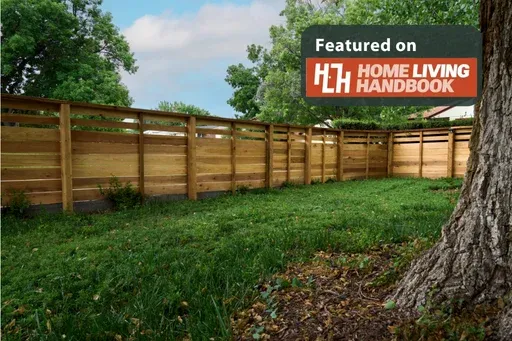
When you install a fence before landscaping, your crew has clear open access to the full perimeter of your property. No, freshly planted trees to work around. No irrigation lines run through areas where posts need to go. No sod getting torn up by equipment moving along the fence line.
Post setting requires digging. Across the Dallas area where clay soil is common, that process can be more involved than homeowners expect. Doing that work in a yard that has already been landscaped means a much higher risk of damage to plants, irrigation, and finished ground surfaces. Fixing that damage adds cost and frustration that could have been avoided entirely.
Starting with the fence also gives your landscaper a defined boundary to design around. They can plan plantings, beds, and features with the final fence line already in place rather than guessing where it will end up. That leads to a cleaner finished result and fewer adjustments after the fact.
When landscaping first actually makes sense
There are situations where landscaping before fencing is the smarter call. If your yard has drainage issues that need grading work before anything else goes in, that grading should happen first. A fence installed before major grade changes can end up sitting at the wrong height relative to the finished ground level and fixing that is not a small job.
If your landscaping plan includes large trees or mature plantings near the fence line, knowing exactly where those go before the fence is installed helps avoid conflicts between root systems and post placement.
The key in either case is coordination. Your fence installer and landscaper need to know what the other is planning. At Top Rail Fence we are used to working alongside other contractors and we are happy to coordinate timelines, so your project runs smoothly from start to finish.
Do not overlook your irrigation system
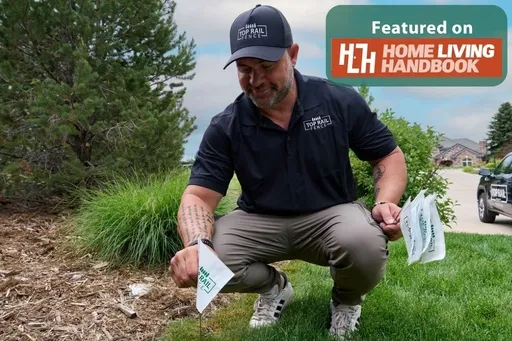
This one catches a lot of homeowners off guard. Fence posts typically go 2 to 3 feet into the ground depending on height and soil conditions. If irrigation lines run near the fence line, those lines need to be located and flagged before any digging starts.
Texas law requires calling 811 at least 48 hours before any digging to have underground utilities marked. That covers gas, electric, and water service lines but not always private irrigation systems. Knowing where your irrigation runs before installation starts protects both projects from damage that is expensive and completely avoidable.
A quick checklist before you schedule anything
Before booking either project work through these questions:
- Does your yard need grading or drainage work before a fence goes in?
- Do you have an irrigation system, and do you know where the lines run?
- Are you planting large trees or mature plants near the fence line?
- Have you confirmed your property lines with a survey?
- Does your city require a fence permit? Most municipalities require one fencing over six feet, and we handle that process for every project we take on.
Ready to get started?
Getting the sequence right from the start saves time and money on both sides of the project. Our team is happy to walk around your property, talk through your plans, and help you figure out the right approach for your specific yard.
Plan your fence project with Top Rail Fence or call us at (469) 868-8869