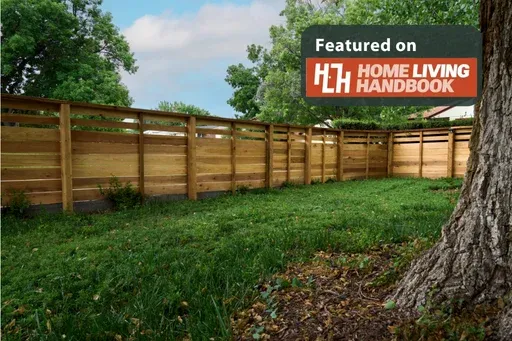
In South Jersey, homeowners dealing with sloped yards, raised patios, and uneven terrain are increasingly relying on privacy fence installation to create functional, visually consistent outdoor spaces. Elevation changes can significantly impact how a fence performs, both structurally and aesthetically, making thoughtful planning essential for long-term success. Many residents begin their planning journey through Top Rail Fence South Jersey, using localized expertise to align design decisions with real property conditions.
As backyard landscapes become more complex, especially in suburban South Jersey neighborhoods, homeowners are realizing that elevation is not just a design detail. It directly influences privacy, stability, and how usable an outdoor space truly becomes.
Understanding how elevation shapes privacy fence design
The impact of slope on visual privacy
One of the biggest challenges in privacy fence installation is maintaining consistent coverage across uneven ground. When yards slope upward or downward, standard fencing can leave gaps that reduce privacy effectiveness. These inconsistencies make it easier for outside sightlines to penetrate the yard, weakening the purpose of the enclosure.
In areas with frequent street exposure, this becomes even more important. Properly adjusted fence installation ensures that every section of the fence aligns with the land’s natural gradient while maintaining a continuous privacy barrier.
Balancing height and ground alignment
Elevation changes require careful balancing between fence height and ground contact. Without proper adjustment, sections of a fence may appear uneven or unstable. Professional privacy fence installation techniques often include stepped or racked designs to ensure that privacy remains intact regardless of slope direction.
Addressing structural challenges in uneven backyards
Managing soil variation and foundation depth
Different elevations often come with varying soil densities, which can impact post stability. A successful backyard fence installation must account for how deeply posts are anchored, depending on whether the ground is compact, loose, or shifting due to water runoff.
Proper installation ensures that the fence remains stable over time, even in areas where elevation changes create additional pressure points.
Preventing gaps and visual breaks
One of the most common issues in uneven terrain is the formation of gaps beneath fencing panels. These gaps not only reduce privacy but also affect curb appeal. High-quality privacy fence installation techniques use adjusted panel heights and stepped layouts to eliminate these inconsistencies.
Midway through planning, many homeowners explore tailored privacy fence solutions through Top Rail Fence South Jersey, ensuring that elevation challenges are addressed before installation begins.
Designing fences that adapt to sloped landscapes
Stepped fencing for structured elevation control
Stepped fencing is one of the most effective approaches for properties with significant elevation changes. Each panel is installed at a slightly different height, following the natural slope of the yard. This method is especially useful for fence installation projects where maintaining a clean visual line is just as important as structural integrity.
Stepped designs also enhance privacy by ensuring no section of the yard becomes exposed due to uneven ground.
Racked fencing for smooth transitions
Unlike stepped designs, racked fencing adjusts to the slope by angling panels along the terrain. This creates a smoother visual transition and is often preferred in modern privacy fence installation projects where aesthetics are a priority.
Both methods allow homeowners to maintain strong privacy fence solutions while adapting to natural land movement.
Choosing materials suited for elevation changes
Vinyl fencing for consistent performance
Vinyl fencing is a popular option in sloped South Jersey yards due to its flexibility and durability. It resists warping and maintains structural consistency even when installed on uneven ground. This makes it ideal for backyard fence installation projects where long-term stability is a priority.
Vinyl panels also provide full coverage, which strengthens privacy across varied elevations.
Wood fencing for customizable adaptation
Wood remains a strong choice for homeowners seeking customizable privacy fence installation options. It can be cut, shaped, and adjusted on-site to better match elevation shifts. However, it requires more maintenance over time, especially in areas with heavy moisture or runoff.
For homeowners comparing material durability, resources like Family Handyman's fencing guide provide helpful insights into installation techniques and long-term performance considerations.
Drainage and long-term fence stability
Managing water flow across sloped yards
Elevation changes often affect how water moves through a backyard. Poor drainage can weaken fence posts over time, making proper planning essential during privacy fence installation. Redirecting water flow away from fence lines helps maintain structural stability.
Reinforcing posts for uneven pressure zones
Sloped yards place uneven pressure on different sections of a fence. Strong post reinforcement is critical during fence installation to ensure that leaning or shifting does not occur over time. Proper anchoring helps maintain alignment even in challenging terrain.
Enhancing outdoor usability through smart design
Creating usable zones on uneven terrain
A well-executed backyard fence installation can transform a sloped yard into functional zones. By defining flat or leveled areas, homeowners can create seating spaces, garden sections, or play areas that feel more balanced and usable.
These improvements make elevation changes less of a limitation and more of a design opportunity.
Improving privacy in multi-level yards
Elevation can actually enhance privacy when used correctly. Higher ground levels combined with strategic privacy fence installation can block sightlines more effectively than flat terrain alone. This layered approach strengthens overall privacy fence solutions across the property.
Neighborhood impact and design consistency
Strengthening curb appeal across varied landscapes
In South Jersey neighborhoods, consistent fence installation practices help maintain visual harmony even when properties differ in elevation. A well-designed fence contributes to a cohesive streetscape while still allowing for individual customization.
This is why many homeowners trust Top Rail Fence South Jersey to ensure their fencing aligns with both personal and neighborhood expectations.
Communicating structure and care through fencing
A properly installed fence signals attention to detail and long-term property care. Whether using vinyl or wood, a well-planned privacy fence installation enhances how a home is perceived from the street.
Building better privacy solutions for South Jersey homes
Elevation changes are one of the most important factors influencing how fencing performs in residential environments. Through careful privacy fence installation, homeowners can transform sloped or uneven yards into functional, private, and visually balanced outdoor spaces.
With expert planning from Top Rail Fence South Jersey, every fence installation project is tailored to match the land’s natural structure while delivering reliable privacy fence solutions that last.
For personalized guidance, design support, or to speak directly with a specialist and get started on your project, reach out through the Contact Us page and connect with Top Rail Fence South Jersey today.