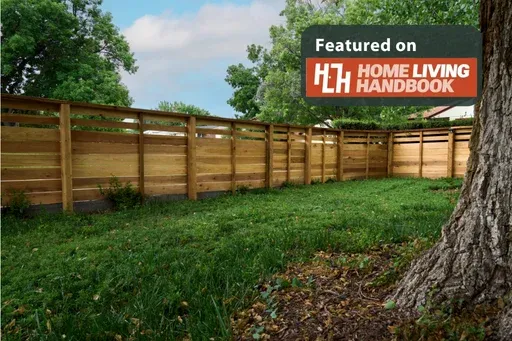
A newly completed wood fence installation brings immediate visual appeal and structure to any property, but the first year is when homeowners truly understand how their investment responds to real-world conditions. In South Jersey, seasonal changes create a dynamic environment where temperature shifts, humidity, and precipitation all influence how a fence settles and performs.
Many homeowners begin by exploring local project examples through Top Rail Fence South Jersey, where climate-aware wood fence installation practices are tailored to the region. Choosing the right approach from the beginning helps ensure that your fence adapts well throughout its first year.
Spring: The Adjustment Phase Begins
As temperatures rise and the ground softens, spring marks the first major transition for a newly installed fence.
Soil Movement and Post Stabilization
During early spring, increased rainfall can slightly shift soil conditions. Even with professional fence construction, minor settling around posts is normal. This does not indicate failure but rather a natural adjustment as the ground redistributes moisture.
A properly executed wood fence installation accounts for this by setting posts deep enough to maintain long-term stability. Homeowners may notice very slight alignment changes, but these typically stabilize as the season progresses.
Early Signs of Moisture Absorption
Wood naturally absorbs moisture from the environment. In South Jersey, spring humidity can cause boards to expand slightly. This is especially noticeable in a wood privacy fence, where tight panel spacing may appear even more compressed during damp conditions.
This expansion is temporary and part of how wood adapts to seasonal moisture levels.
Summer: Expansion, Color Shifts, and Sun Exposure
Summer introduces heat and direct sunlight, both of which influence the appearance and structure of wood fencing.
Heat-Driven Expansion and Contraction
Warm temperatures cause wood fibers to expand during the day and contract slightly at night. Over time, this cycle contributes to the natural aging process of your wood fence installation.
For homeowners, this may result in subtle changes such as small gaps forming between boards. These gaps are not defects but rather a reflection of how wood responds to drying conditions.
Natural Color Evolution
A fresh wood privacy fence often starts with a rich, warm tone. As summer sunlight intensifies, UV exposure begins to lighten the wood’s surface. This gradual fading is one of the most noticeable changes during the first year.
Applying a protective sealant can help preserve the original color, but many homeowners embrace the evolving look as part of the fence’s character.
Fall: Moisture Balance and Structural Consistency
As temperatures cool and humidity levels shift again, fall provides a more balanced environment for wood fencing.
Rehydration After Dry Months
After the drying effects of summer, fall moisture allows wood to regain some of its lost hydration. This can slightly reduce the gaps that formed during hotter months.
A well-built wood fence installation will demonstrate consistent performance during this transition, maintaining both structural integrity and visual appeal.
Preparing for Seasonal Debris
Falling leaves and organic debris can accumulate along the base of a fence. If left unaddressed, this buildup may trap moisture against the wood.
Regular clearing helps protect your wood privacy fence and ensures that airflow continues around the structure. Many homeowners researching long-term care explore wood fencing solutions to better understand how design and spacing influence maintenance needs.
Winter: Contraction and Durability Testing
Winter is often the most demanding season for any outdoor structure, and a fence is no exception.
Cold Temperatures and Wood Contraction
As temperatures drop, wood contracts, reversing some of the expansion seen earlier in the year. This can make small gaps more visible again, especially in a wood privacy fence.
These changes are expected and do not compromise the fence’s strength when the initial fence construction is done correctly.
Exposure to Freeze and Thaw Cycles
In South Jersey, freeze and thaw cycles can affect the ground surrounding fence posts. Water in the soil expands when frozen, then contracts as it thaws, creating pressure changes around the base of the fence.
Professional wood fence installation methods account for this by using proper post depth and reinforcement techniques. This ensures that the structure remains stable even as the ground shifts.
For additional insight into how outdoor wood structures respond to seasonal stress, resources like This Old House fencing guide provide valuable guidance for homeowners.
Understanding Cost Factors in the First Year
Beyond physical changes, homeowners also gain a clearer understanding of wood fence installation cost during the first year.
Maintenance Versus Long-Term Value
Initial installation is only part of the investment. Over the first year, homeowners may choose to seal or stain their fence, which adds to overall wood fence installation cost considerations.
However, these efforts significantly extend the lifespan of the fence and reduce the likelihood of repairs.
Repairs Are Rare but Possible
With professional fence construction, major issues are uncommon in the first year. Minor adjustments, such as tightening hardware or inspecting post alignment, are typically all that is needed.
Homeowners who work with Top Rail Fence South Jersey often find that proactive installation methods minimize unexpected costs and ensure predictable performance.
What Homeowners Learn After Year One
By the end of the first year, patterns become clear. Seasonal expansion and contraction are no longer surprising, and maintenance routines become easier to manage.
A well-executed wood fence installation proves its value through durability, adaptability, and consistent performance across changing weather conditions. Homeowners in South Jersey gain confidence knowing their fence is built to handle the region’s climate.
Many turn to Top Rail Fence South Jersey for guidance on maintaining and enhancing their fencing systems, ensuring that their investment continues to perform beyond the first year.
Moving Into Year Two With Confidence
The first year sets the foundation for long-term success. With a clear understanding of seasonal behavior, homeowners can take simple steps to preserve both the structure and appearance of their fence.
If you are planning a new project or evaluating your current wood privacy fence, professional support makes a measurable difference. The team at Top Rail Fence South Jersey provides expert insight into wood fence installation, fence construction, and managing wood fence installation cost effectively.
To get started or ask questions about your fencing needs, visit the Contact Us page and take the next step toward a fence that performs reliably in every season.