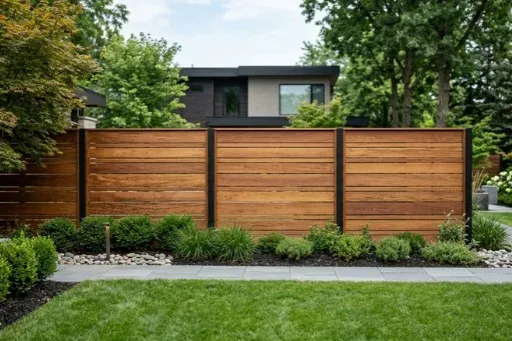
A fence can occupy a large part of a property's visible landscape, so its design deserves more thought than selecting a material and setting a boundary. Height, color, panel spacing, gate placement, and the relationship between the fence and the home all influence the finished appearance. For properties across the Texas Panhandle, an effective fence installation plan should establish priorities before individual design details are finalized. Top Rail Fence Texas Panhandle can help you evaluate the site's practical needs and compare design options so the finished fence looks intentional and works for everyday use.
Put the property's main purpose at the top of the list
The strongest design decisions begin with what the fence needs to accomplish. A boundary intended to screen a backyard calls for different choices than one designed to frame a front garden or define a large open yard.
Decide which outcome matters most
Identify the primary reason for the project. Privacy, security, pet containment, curb appeal, and separation between outdoor areas can all influence the design, but trying to prioritize every goal equally can make decisions harder.
For example, a backyard used for outdoor dining may benefit from a taller, more enclosed design. A front yard with attractive landscaping may need a fence that defines the property without hiding its best features. Establishing the main purpose gives your fence installation a clear direction and makes it easier to assess competing options.
Identify the areas that need special treatment
Walk the property and note where the fence will meet driveways, sidewalks, garden beds, gates, and existing structures. These transition points often require more planning than long, uninterrupted fence runs.
A gate near a driveway may need additional clearance, while a section beside a garden might need to preserve access for maintenance. Marking these locations early can prevent design changes after materials have been selected.
Rank proportion and alignment ahead of decorative details
A fence can use attractive materials and still look out of place if its dimensions do not suit the property. Before comparing ornamental features, evaluate the fence's scale and how it follows the site's layout.
Match the height to the surroundings
Fence height affects privacy, visibility, and the overall impression of the property. A tall fence can feel imposing along a small front yard, while a low boundary may not provide the screening needed in a backyard.
Consider the home's size, nearby buildings, ground elevation, and the intended function of each section. Also verify local height restrictions and any applicable neighborhood requirements before confirming measurements. Good fence installation balances the desired appearance with the rules and practical conditions affecting the site.
Keep the fence line visually organized
Look at how the proposed boundary follows the house, driveway, and existing landscape. Long, straight runs can create a clean appearance, while carefully planned changes in direction may be necessary around structures or irregular property lines.
Avoid adding unnecessary turns simply to make the layout more elaborate. Each change should have a clear reason, such as accommodating a gate, following the property boundary, or preserving access. Consistent alignment often contributes more to a polished result than extra decorative elements.
Choose materials and finishes after the layout is settled
Once the fence's purpose, proportions, and alignment are clear, material selection becomes easier. The right finish should complement the property while meeting the level of durability and maintenance you expect.
Compare visual weight across different fence styles
Different fence styles create different impressions. Solid wood panels can give a property a substantial, private boundary, while ornamental metal designs offer a more open appearance. Other designs can provide a balance between visibility and separation.
Consider how much of the house should remain visible from the street. A prominent fence may suit a large property with a broad frontage, but a more open design may better complement a smaller home or carefully maintained front garden.
Coordinate color with the exterior
The fence color should work with the home's siding, brickwork, roof, trim, and other permanent features. Matching everything exactly is rarely necessary. A complementary color can create a consistent appearance without making the fence disappear into the background.
Think about the overall effect from several viewpoints, including the street, driveway, and backyard. A finish that looks attractive close up may appear too dark or visually dominant when viewed across the full property.
For a clearer comparison, Top Rail Fence Texas Panhandle can help you review fencing products and design options that suit your property's layout and intended appearance.
Give gates and transitions their own place in the plan
Gates are functional features, but they also influence how a fence looks and how people move through the property. Treating them as an afterthought can interrupt an otherwise coordinated design.
Place entrances where people naturally move
Consider the routes people use to reach the front door, backyard, garage, garden, or outdoor living area. A gate should connect logically with these paths rather than forcing people to take an inconvenient route.
During fence installation, confirm the space required for the gate to swing or slide, along with clearance for vehicles, equipment, and regular foot traffic. The gate's width, frame, and hardware should also suit the surrounding fence rather than appearing like an unrelated addition.
Keep changes between sections consistent
Some properties need different fence heights or designs in separate areas. A front section might prioritize visibility, while a backyard boundary focuses on privacy. These differences can work together when transitions are planned carefully.
Consistent post proportions, compatible finishes, and deliberate changes in panel design help connect separate sections. The goal is not to make every part identical, but to ensure each variation feels purposeful.
Check the landscape before committing to construction
Existing trees, slopes, drainage patterns, and planting beds can affect both the fence's placement and its long-term appearance. Accounting for these conditions early can prevent avoidable adjustments.
Consider how the fence interacts with plants and terrain
Established trees may limit post locations, while sloped ground can affect how panels follow the boundary. Garden beds and shrubs also need adequate space for growth and maintenance.
The Iowa State University Extension guide to landscape design offers guidance on organizing landscape elements into a cohesive plan. Applying similar planning principles before fence installation can help coordinate the fence with existing vegetation, outdoor spaces, and the property's overall layout.
Resolve practical requirements before final approval
Confirm property boundaries, locate underground utilities, and check applicable local codes or neighborhood restrictions. Consider maintenance access and how water moves across the site, particularly where the fence meets existing structures or changes in elevation.
These checks should happen before materials are ordered and construction begins. They help keep the design realistic and reduce the likelihood of changes that affect the final appearance or project cost.
Use a clear priority order to guide your fence installation
A practical design checklist puts function first, followed by proportion, alignment, material, color, gate placement, and finishing details. This order helps you make the decisions that have the greatest effect on the finished result before spending time on smaller decorative choices.
The most suitable residential fencing plan will depend on the property's architecture, available space, intended use, and maintenance expectations. By comparing these factors together, you can select fence styles that complement the home rather than competing with it.
If you are preparing for fence installation in the Texas Panhandle, Top Rail Fence Texas Panhandle can help you evaluate priorities, compare materials, and develop a design that fits your property. Contact a fence company through Contact Us to discuss your project and plan a fence that combines practical performance with a well-coordinated appearance.