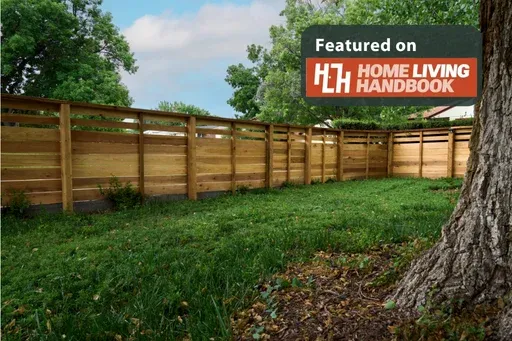
Outdoor dining feels more inviting when the space has a defined setting. In the Texas Panhandle, a thoughtfully planned privacy fencing layout can give patios and dining areas a stronger sense of enclosure while creating a clean backdrop for tables, grills, lighting, and landscaping. Through Top Rail Fence Texas Panhandle, homeowners can plan a fence that supports outdoor entertaining without making the yard feel disconnected from the rest of the property.
Giving outdoor dining a defined setting
An outdoor dining area does not need walls or a roof to feel like a dedicated part of the home. A strategically positioned fence can establish a visual boundary behind the table and chairs, helping the dining area feel intentional rather than simply placed in an open section of the yard.
Creating a comfortable visual boundary
Privacy fencing can block distracting views toward neighboring properties, service areas, driveways, or other parts of the yard. This can make conversations and meals feel more secluded, particularly when the dining area sits close to a property line.
The fence also gives the eye a consistent surface to focus on instead of leaving the background visually cluttered.
Framing the dining table
The area behind an outdoor table can become an important design feature. A well-proportioned fence provides a backdrop for lighting, planters, wall décor, and other outdoor accents.
Rather than treating the fence as an afterthought, the design can be coordinated with the patio's dimensions and furniture arrangement from the beginning.
Designing around the Texas Panhandle environment
Outdoor fencing in the Texas Panhandle needs to account for the conditions surrounding the property. Strong winds, intense sunlight, temperature changes, and dry periods can influence how an outdoor area looks and performs over time.
A successful fence installation considers the site's exposure as well as its appearance.
The Texas Panhandle has a climate where wind can be an important consideration when planning outdoor improvements. The National Weather Service provides regional weather information and forecasts that can help residents understand local wind conditions when planning outdoor spaces. Considering prevailing weather patterns alongside fence placement can help create a more practical and comfortable dining environment.
Accounting for wind exposure
Open outdoor dining spaces can be particularly exposed to wind. Fence placement can influence how the space feels, but the design should also account for structural requirements and local conditions.
Professional planning helps determine appropriate posts, spacing, layout, and construction details for the specific property.
Considering sunlight and shade
The position of a fence can affect the experience of an outdoor dining area throughout the day. A fence may provide visual separation while nearby trees, pergolas, umbrellas, or covered patios provide the actual shade needed for comfortable meals.
Thinking about these elements together creates a more functional outdoor environment.
Making evening gatherings feel more inviting
Outdoor dining often continues after sunset, especially when the patio is equipped for entertaining. Privacy fencing can provide a backdrop for low-voltage landscape lights, decorative fixtures, and other features that give the gathering area character after dark.
Creating a background for outdoor lighting
Lights mounted near or positioned in front of a fence can create depth and definition. Soft illumination can highlight landscaping, seating, or architectural details without requiring the entire yard to be brightly lit.
The fence becomes part of the evening atmosphere rather than disappearing into the background.
Supporting a more secluded atmosphere
A private dining area can feel more comfortable when neighboring activity is less visible. A carefully planned privacy fence installation can establish separation while allowing the patio itself to remain open and accessible.
This is especially useful for families who regularly host dinners, celebrations, or casual gatherings outdoors.
Choosing fencing materials around entertaining spaces
The appearance and performance of fencing materials can influence how well a fence complements an outdoor dining environment. The selection should account for appearance, durability, maintenance expectations, and the overall style of the property.
Matching the fence to the home
A fence that complements the home's exterior can make the patio and yard feel like an extension of the living space. Color, texture, height, and panel style can all contribute to a cohesive appearance.
The goal is not necessarily to make the fence the focal point. Instead, it should provide a dependable backdrop that supports the rest of the outdoor design.
Balancing privacy with openness
A completely enclosed yard is not always necessary for comfortable outdoor dining. Some properties benefit from full-height privacy panels near seating areas while maintaining more open sections elsewhere.
This selective approach allows privacy fencing to provide separation exactly where it matters without visually closing off the entire landscape.
For homeowners comparing different options, exploring fencing materials can help clarify which styles may complement an existing patio, landscaping plan, or outdoor entertaining area.
Planning the space around guests and movement
An attractive dining area still needs to function well when several people are using it. The fence should not interfere with pathways, gates, furniture placement, grill access, or movement between the house and patio.
Keeping entrances convenient
Gate locations deserve attention during the planning stage. A gate near an outdoor dining area can provide convenient access for guests while also making it easier to move tables, chairs, grills, or other large items into the yard.
A professional fence installation can incorporate these access requirements into the overall layout.
Leaving room for future additions
Outdoor spaces rarely remain unchanged forever. A dining area may eventually gain a pergola, outdoor kitchen, fire pit, built-in seating, or additional landscaping.
A flexible fence plan can account for these possibilities, reducing the chance that future improvements will conflict with the existing boundary.
Using landscaping to soften the dining backdrop
Privacy fencing can provide a strong visual surface, while landscaping can keep the setting from feeling too rigid. Planting beds, ornamental grasses, shrubs, and container plants can introduce texture along the fence line.
Adding depth along the fence
Plants placed at different heights can create layers between the patio and fence. Low plantings can sit closest to the seating area, while taller greenery can soften sections farther along the boundary.
This creates a more natural transition between hardscape and fence without sacrificing the privacy the dining space needs.
Keeping maintenance practical
Landscaping should also reflect the amount of upkeep the household wants to manage. Thoughtful plant placement can preserve access to the fence for cleaning, inspection, and future maintenance.
A well-organized landscape makes it easier to enjoy the finished space without turning the fence line into a difficult-to-maintain area.
Creating an outdoor dining area that feels complete
The right privacy fencing can change the character of an outdoor dining space by giving it structure, separation, and a consistent visual backdrop. In the Texas Panhandle, thoughtful planning is particularly valuable because outdoor areas must balance entertaining needs with exposure to local weather conditions.
Top Rail Fence Texas Panhandle can help homeowners consider fence placement, access, design, and suitable fencing materials as part of a complete outdoor plan. A carefully executed privacy fence installation can support everything from quiet family dinners to larger evening gatherings while complementing the home's existing landscape.
For homeowners ready to develop a more functional entertaining area, the Contact Us page provides a way to connect with Top Rail Fence Texas Panhandle and discuss a fencing plan suited to the property. A well-planned fence can turn an ordinary patio into a more comfortable setting for outdoor meals, conversation, and evenings spent together.