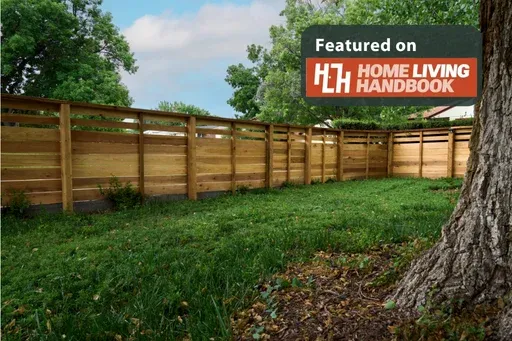
In the Texas Panhandle, homeowners face one of the most challenging environments for outdoor planning due to constant multi-directional wind patterns. These conditions directly influence how privacy fence installation must be designed, especially for large residential properties that require both stability and visual privacy. Many homeowners begin with Top Rail Fence Texas Panhandle, where fence installation strategies are adapted specifically for wind-heavy regions and open landscapes.
In these environments, successful fencing is not just about boundaries. It is about engineering layouts that remain stable, functional, and visually consistent under constant environmental pressure.
Understanding wind impact on privacy fencing in open Texas landscapes
How multi-directional wind shapes fence design decisions
Unlike sheltered urban environments, the Texas Panhandle experiences wind coming from multiple directions throughout the year. This creates pressure shifts that directly affect privacy fence installation, especially on large open lots.
Without proper fence building techniques, panels can weaken, lean, or fail over time due to uneven force distribution across the structure.
Why traditional layouts often fail in high-wind regions
Standard straight-line fencing approaches often struggle in exposed environments. Gaps in support or poorly planned fence installation can lead to structural stress points, reducing the lifespan of the fence.
This is why wind-specific planning is essential for long-term residential fence installation success in the region.
Designing privacy fencing layouts for wind resistance
Breaking up wind flow with strategic layout patterns
One of the most effective strategies in privacy fence installation is reducing continuous wind pressure by adjusting layout direction and spacing. Instead of long, uninterrupted runs, segmented designs help distribute wind load more evenly.
Thoughtful fence building techniques allow airflow to break naturally, reducing stress on individual panels.
Positioning fences to work with natural wind paths
Instead of resisting wind entirely, modern fence installation strategies often work with prevailing patterns. By analyzing property orientation, homeowners can place fences in ways that minimize direct wind impact.
Midway through the planning process, many homeowners consult Top Rail Fence Texas Panhandle to design privacy fence installation layouts that account for shifting wind directions across seasons.
Material and structural considerations for wind-heavy areas
Reinforcement strategies for long-term durability
In high-exposure environments, privacy fence installation must include reinforced posts, deeper anchoring, and spacing adjustments. These structural choices help absorb wind pressure without compromising stability.
Professional fence building ensures that support systems are distributed evenly across the full length of the fence line.
Choosing durable systems for residential properties
For residential fence installation, durability is critical. Materials must withstand repeated stress without warping or loosening over time. Proper fence installation techniques help ensure long-term resistance to environmental wear.
According to Angi’s fence installation and wind resistance guide, proper post depth, spacing, and structural reinforcement are key factors in preventing wind-related fence failure in exposed regions.
Privacy and stability in open rural environments
Maintaining visual privacy without compromising airflow
One of the main challenges in privacy fence installation is balancing enclosure with wind resistance. Solid barriers offer privacy but can trap wind pressure, increasing structural strain.
Strategic fence building techniques help create privacy while still allowing controlled airflow through or around the structure.
Blending landscaping with fencing for added protection
Many homeowners combine fence installation with natural windbreaks such as shrubs or trees. This layered approach reduces direct wind impact while enhancing visual privacy.
This method is especially effective in residential fence installation projects across wide-open Texas properties.
Layout planning for long-term fence performance
Avoiding long, uninterrupted fence runs
Extended straight lines in privacy fence installation are more vulnerable to wind stress. Breaking layouts into sections helps reduce pressure buildup across the structure.
Careful fence building ensures that each segment is independently reinforced for better durability.
Using gate placement to reduce wind load concentration
Gate placement is not just about access. In fence installation, it also helps interrupt long spans, reducing pressure concentration points that often lead to structural failure.
Proper design improves both usability and stability in residential fence installation projects.
Structural installation practices for Texas Panhandle conditions
Deep anchoring for wind stability
A successful privacy fence installation requires deeper post setting than standard regions. This ensures the structure remains stable even under shifting wind directions.
Professional fence building prioritizes anchoring depth as a primary factor in long-term durability.
Ensuring alignment across uneven terrain
The Texas Panhandle’s natural landscape often includes subtle elevation changes. Proper fence installation accounts for these variations to prevent weak points that could be impacted by wind pressure.
This is essential for consistent residential fence installation performance across large properties.
Choosing the right fence company for wind-focused projects
Why expertise matters in high-wind regions
Not all contractors understand the demands of privacy fence installation in multi-directional wind zones. Experience in fence building is essential to ensure structural integrity over time.
Working with Top Rail Fence Texas Panhandle ensures every fence installation is engineered specifically for regional wind behavior and property layout.
Custom solutions for long-term durability
A skilled fence company evaluates terrain, wind exposure, and property size before designing a layout. This ensures each residential fence installation is tailored for both privacy and performance.
Building stronger privacy fence systems for Texas Panhandle homes
In the Texas Panhandle, effective privacy fence installation requires more than visual design. It requires engineering, planning, and wind-aware fence building strategies that protect long-term investment while maintaining privacy.
With expert guidance from Top Rail Fence Texas Panhandle, every fence installation is designed to withstand environmental challenges while enhancing property usability. To begin your project or explore wind-resistant layout options, visit the Contact Us page and connect with Top Rail Fence Texas Panhandle today.