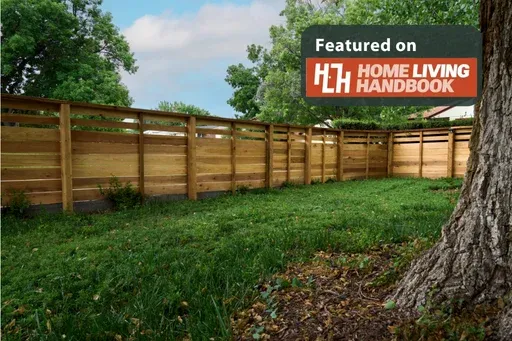
A backyard feels more intentional when the transition between hardscape, turf, and landscaping has a clear visual boundary. In the Texas Panhandle, where outdoor areas can include broad lawns, patios, planting beds, and open side yards, vinyl fencing can provide that finishing element without overwhelming the landscape. Through the local expertise of Top Rail Fence Texas Panhandle, homeowners can plan a fence layout that complements the shape of the yard while creating a cleaner relationship between different outdoor areas.
Giving the backyard a stronger visual framework
A patio, lawn, and planting bed each serve a different purpose, but they do not have to look like unrelated parts of the property. Vinyl fencing can introduce a consistent architectural line that gives the landscape more definition.
Rather than placing a fence simply along the property perimeter, its position can be considered in relation to patios, garden beds, walkways, and lawn areas. This creates a more deliberate composition throughout the backyard.
Creating a clear boundary around patios
Patios naturally become gathering points for dining, conversation, and relaxation. A nearby fence can reinforce that function by establishing a visual edge around the space.
A solid vinyl panel can provide privacy behind outdoor seating, while a more open style can preserve sightlines toward the lawn. The right configuration depends on how the patio is positioned and how much separation the household wants from surrounding areas.
Keeping lawn areas visually organized
Large stretches of grass can sometimes make a backyard feel unfinished, particularly when the lawn runs directly into planting beds or neighboring spaces. Vinyl fencing introduces a crisp line that can make these transitions appear intentional.
This is especially useful when a property has several outdoor zones. The fence can act as a backdrop without taking attention away from the lawn itself.
Using fence placement to complement planting beds
Landscaping and fencing should work together rather than compete for attention. In the Texas Panhandle, homeowners may incorporate ornamental grasses, shrubs, trees, raised beds, or drought-conscious plantings into their yards. A well-positioned fence can provide structure behind these features.
Texas A&M AgriLife Extension provides resources covering residential landscaping, including native landscaping, xeriscaping, and approaches to reducing water use across Texas. Its landscaping guidance can help homeowners think more strategically about how plants and hardscape features work together.
Framing plants without hiding them
A fence does not necessarily need to sit directly behind every planting bed. Leaving appropriate space between vegetation and the fence can prevent the landscape from feeling crowded.
Lower plantings can sit in front of a taller vinyl fence, creating layers of texture. Shrubs and ornamental grasses can soften the fence line, while taller trees can provide additional dimension without making the yard feel enclosed.
Making garden edges easier to define
Planting beds frequently have irregular curves and changing borders. A fence installation can provide a stable architectural reference point against those organic shapes.
This contrast between structured fencing and natural landscaping creates visual balance. The fence establishes order while the plants provide softness and variation.
Choosing vinyl fencing that fits the home's character
Not every backyard requires the same fence profile. Vinyl fencing is available in different configurations, allowing homeowners to select an appearance that supports both the property and its intended use.
Top Rail Fence offers several vinyl styles, including solid privacy, lattice-top privacy, picket, closed picket, ranch rail, and louvered options.
Selecting privacy for gathering areas
A solid vinyl fence can be useful behind a patio when the goal is to create a more secluded setting. It can visually screen seating areas and provide a consistent backdrop for outdoor furniture, lighting, and decorative elements.
For properties where complete enclosure would feel excessive, homeowners can use privacy sections selectively rather than surrounding the entire yard with the same profile.
Using lighter styles near open lawns
Picket and other less enclosed designs can establish a boundary while preserving the open feeling of a lawn. This can be especially effective where the yard is intended for recreation, gardening, or entertaining.
The result is a fence that defines space without visually shrinking it.
Accounting for the Texas Panhandle environment
The local environment should influence the planning of any fence installation. The Texas Panhandle experiences strong sun, seasonal weather changes, and significant wind exposure, making construction details important.
A fence should be positioned and installed with the property layout and local conditions in mind. Posts, connections, spacing, gates, and the overall fence configuration all contribute to how the finished structure performs.
Planning around wind exposure
Open yards can experience substantial wind movement. A thoughtful fence design considers how the fence interacts with the surrounding property rather than treating every section as an isolated line.
Professional planning can help determine where solid panels, more open sections, or different fence orientations make sense for the property.
Considering irrigation and drainage
Fence lines frequently intersect with sprinkler systems, planting beds, and areas where water moves through the yard. Installation planning should account for these existing features before posts are placed.
This helps reduce conflicts with landscaping and makes it easier to maintain both the fence and surrounding vegetation after installation.
Making maintenance less demanding
One of the practical advantages of vinyl fencing is that it does not require the same routine painting, staining, or sealing associated with many wood fence systems. Top Rail Fence describes its vinyl products as resistant to weather conditions and designed to maintain their shape without splintering or warping.
That can make vinyl appealing for busy households that want a finished-looking boundary without adding frequent refinishing tasks to their outdoor maintenance routine.
Keeping the fence looking crisp
Regular cleaning can help remove accumulated dust, dirt, and other outdoor residue. Because the fence provides a consistent surface, keeping it presentable can be relatively straightforward.
This matters in the Texas Panhandle, where wind can move dust and debris across exposed properties.
Preserving the relationship with landscaping
Low-maintenance fencing also makes it easier to keep attention on the surrounding landscape. Instead of requiring periodic refinishing, the fence can remain a consistent visual element while lawns and planting beds change throughout the year.
Designing transitions that support future improvements
Outdoor spaces rarely remain exactly the same. A patio may eventually gain a pergola, an outdoor kitchen, additional seating, or expanded planting beds. A well-planned vinyl fencing layout should leave room for those possibilities.
The fence should not block access to areas that may need future maintenance or construction. Gates can also be positioned strategically to provide convenient movement between the lawn, patio, driveway, and side yard.
Coordinating gates with outdoor circulation
A gate can do more than provide entry through a fence. Its location influences how people move around the backyard.
For example, a gate near a patio may provide convenient access for guests, while another opening near a planting area can simplify lawn equipment or gardening access. These details become particularly important when the fence separates several frequently used outdoor spaces.
Avoiding a disconnected fence layout
A fence that abruptly changes direction or style can make a landscape feel pieced together. Coordinating panel heights, posts, gates, and transitions can produce a more cohesive result.
This is where professional planning becomes valuable. Instead of treating the project as a simple boundary, the entire outdoor layout can be considered before installation begins.
Bringing patios, lawns, and planting beds together
The best vinyl fencing projects do not simply add a boundary. They create visual relationships between the home's architecture and its outdoor spaces.
For a property in the Texas Panhandle, the fence can frame a patio, give a lawn a defined edge, create a backdrop for planting beds, and provide controlled access between different areas. The combination can make an otherwise disconnected backyard feel considerably more finished.
Top Rail Fence Texas Panhandle can help homeowners evaluate fence placement, style, gates, and installation details according to the property's existing layout. The company's local service emphasizes customized fence solutions designed around the location and environmental conditions rather than using a one-size-fits-all approach.
Whether the goal is to create a private patio retreat, sharpen the edge of a lawn, or give planting beds a stronger backdrop, vinyl fencing can provide a clean and durable design element. For homeowners ready to discuss their project, Top Rail Fence Texas Panhandle can help develop a plan that brings these outdoor areas together. Visit the Contact Us page to start planning a professional fence installation that fits your property and outdoor lifestyle.