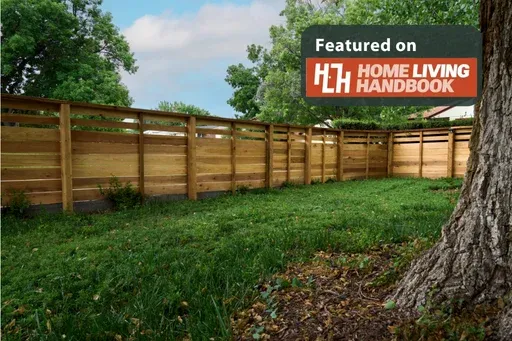
In the Texas Panhandle, weather patterns are anything but consistent. Some areas experience prolonged dry spells, while others face sudden storms and high winds. These variations directly impact how fences perform over time. This is why wood fence installation in this region requires a deeper understanding of climate behavior. Many property owners begin their planning process by reviewing the Top Rail Fence Texas Panhandle to see how local conditions shape installation strategies.
A well-built fence is not just about materials. It is about how those materials respond to environmental stress. With proper wood fence installation, homeowners can create a structure that adapts to both dry conditions and storm-prone environments without losing its integrity.
Climate Variability and Its Impact on Wood
Dry Air and Moisture Loss
In areas where dry conditions dominate, wood tends to lose moisture quickly. This can cause wood fence panels to shrink, leading to gaps between boards and potential structural weakening over time.
A properly planned wood fence installation accounts for this by selecting materials that handle moisture changes more effectively. A cedar wood fence, for example, naturally resists drying and cracking better than many alternatives, making it a reliable choice in arid conditions.
Storm Exposure and Water Absorption
On the other end of the spectrum, storm-prone areas introduce excess moisture. Heavy rain can cause wood fence panels to expand, increasing the risk of warping or swelling.
Balancing these extremes is essential. A well-executed wood fence installation ensures that panels are spaced and treated correctly to handle both expansion and contraction without compromising the fence’s structure.
Material Selection for Changing Conditions
Why Cedar Performs Well Across Environments
Not all wood reacts the same way to environmental stress. A cedar wood fence stands out because of its natural oils, which help protect against moisture and insect damage.
This makes cedar an ideal material for properties that experience both dry heat and occasional storms. It offers stability and longevity, even when weather conditions shift unexpectedly.
Matching Materials to Property Needs
Choosing the right material depends on how the property interacts with its environment. Open areas with strong winds may benefit from lighter, more flexible wood fence panels, while sheltered spaces can accommodate denser designs.
For homeowners exploring different configurations, reviewing wood fencing solutions can provide insight into how materials perform under various conditions.
Installation Techniques That Adapt to Weather
Spacing for Expansion and Contraction
One of the most important aspects of wood fence installation is spacing. Boards must be positioned to allow natural movement caused by temperature and humidity changes.
Proper spacing prevents buckling during wet conditions and minimizes visible gaps during dry periods. This balance is key to maintaining both functionality and appearance.
Secure Post Setting in Variable Soil
Soil conditions in the Texas Panhandle can shift due to moisture changes. During storms, soil may soften, while dry periods can cause it to harden and crack.
Professional wood fence installation involves setting posts at the correct depth and using reinforcement techniques to ensure stability regardless of soil movement. This reduces the likelihood of leaning or structural failure over time.
Maintenance as a Response to Environmental Stress
Preventing Damage Before It Starts
Routine care is essential for extending the life of a wood fence. Sealing and staining help protect wood fence panels from both moisture absorption and UV damage.
Regular inspections also allow homeowners to identify early signs of wear, reducing the need for extensive wood fence repair later on.
Addressing Wear From Seasonal Changes
Even with proper installation, weather variations can cause gradual wear. Timely wood fence repair ensures that small issues, such as loose boards or minor cracks, do not develop into larger structural problems.
For additional guidance on maintaining wood fences in changing climates, this resource from Bob Vila offers practical tips and expert advice.
Balancing Durability With Aesthetic Appeal
Maintaining a Consistent Look Over Time
Weather changes can affect not only performance but also appearance. Uneven fading, discoloration, or warping can impact the overall look of a fence.
A well-planned wood fence installation uses finishes and treatments that maintain a consistent appearance, even as environmental conditions fluctuate.
Designing for Both Function and Style
Modern fencing solutions combine durability with design. Thoughtful layouts and carefully selected wood fence panels allow homeowners to achieve both structural reliability and visual appeal.
Property owners working with Top Rail Fence Texas Panhandle often find that this balance enhances both the usability and value of their outdoor space.
Regional Expertise Makes a Difference
Understanding Local Weather Patterns
Installing a fence in the Texas Panhandle requires more than general knowledge. Local expertise ensures that every aspect of the project is tailored to the region’s unique conditions.
Professionals who understand these patterns can recommend the right materials, spacing, and installation techniques to maximize performance.
Delivering Long-Term Results
Working with Top Rail Fence Texas Panhandle provides access to experience that goes beyond basic installation. Their approach to wood fence installation reflects an understanding of how climate affects every component of the structure.
This level of detail leads to fences that not only look good but also stand up to the challenges of the environment.
A Smarter Approach to Wood Fencing in Variable Climates
Wood fencing in the Texas Panhandle is shaped by constant environmental change. From dry heat to sudden storms, every condition influences how a fence performs. A thoughtful wood fence installation takes these factors into account, creating a structure that adapts rather than deteriorates.
By choosing the right materials, planning for movement, and maintaining the fence over time, homeowners can achieve a balance between durability and design. Whether using a cedar wood fence or other materials, the goal is to create a solution that responds to the environment while enhancing the property.
If you are ready to install a fence designed for the realities of the Texas Panhandle, connect with Top Rail Fence Texas Panhandle through the Contact Us page. Their team can guide you through a process that ensures your fence performs reliably in both dry and storm-prone conditions.