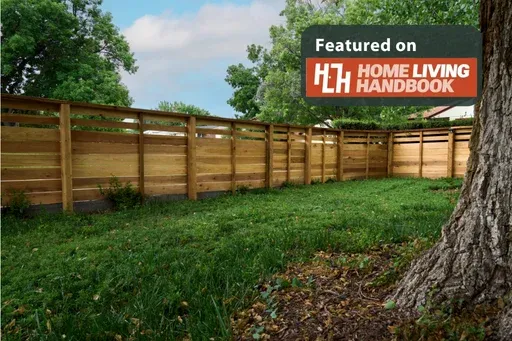
A professional fence installation involves more than setting posts and attaching fence panels. The finished result depends on accurate measurements, property conditions, material preparation, gate placement, and careful coordination throughout the project. For homeowners planning a project in Toledo, Top Rail Fence Toledo can provide a structured approach from the initial planning stage through completion.
The project starts with understanding the property
Before any materials arrive, the proposed fence layout needs to make sense for the property. The shape of the yard, existing structures, landscaping, driveways, walkways, and neighboring properties can all influence the installation plan.
Reviewing the proposed fence line
A fence line may appear straightforward from a distance, but yards can contain changes in grade, landscaping, utility equipment, drainage areas, and other features that affect placement.
During the planning stage, measurements and property conditions are reviewed so the fence follows the intended layout. This is also an opportunity to identify sections that may require different approaches because of terrain or existing structures.
A professional fence installation should be based on the actual property rather than relying solely on a generic layout.
Establishing access points
Gates should be considered before construction begins. Their location can affect how easily people move between the driveway, side yard, backyard, garage, and other frequently used areas.
The width and placement of each gate should correspond with its intended purpose. A pedestrian gate may be appropriate for everyday access, while a wider opening may be needed for lawn equipment or larger items.
Material selection shapes the installation
The installation process can vary depending on the type of fence selected. Wood, vinyl, aluminum, ornamental metal, and other materials have different components, connection methods, and finishing requirements.
Matching the fence to the property's needs
Material selection should reflect more than appearance. Privacy, maintenance, durability, visibility, security, and the home's architectural style can all influence the decision.
For example, a homeowner seeking visual separation may prioritize a solid design, while another property may benefit from an open style that preserves visibility. Discussing these goals with a fence company before installation helps establish a clearer project direction.
Preparing the required components
Once the design and materials have been selected, the installation requires the appropriate posts, panels, rails, gates, fasteners, and other components.
Having the necessary materials organized before construction helps the project move efficiently. It also allows the installation team to work according to the planned sequence rather than making design decisions after construction is already underway.
The ground preparation determines how the fence comes together
One of the most important parts of fence installation happens below the finished fence line. Posts need to be positioned and installed carefully so the completed fence is stable and properly aligned.
Marking post locations
Post spacing affects the appearance and structural layout of the finished fence. Each location needs to correspond with the selected fence system, property dimensions, corners, transitions, and gate openings.
Corners and gate posts require particular attention because they often carry different loads from standard line posts.
Working with changing ground conditions
Not every Toledo yard has perfectly level ground. Slopes, uneven terrain, soil conditions, landscaping, and other site characteristics can influence how individual fence sections are positioned.
A professional installation can account for these differences instead of forcing every section into an identical configuration. The objective is a fence line that follows the property while maintaining consistent construction and an intentional appearance.
Utility awareness is part of responsible preparation
Fence posts require excavation, which means underground utilities should be considered before digging begins. In Ohio, OHIO811 advises that the person performing excavation must notify the service before digging, including for fence projects. Its current guidance says notification should be made at least two working days before excavation, excluding the day of notification, weekends, and legal holidays.
Homeowners can review OHIO811's safe digging information to understand the notification process before work starts.
Giving marked utilities proper consideration
Utility markings provide important information about where registered underground facilities are located. The installation team can use this information when planning excavation and determining how the fence layout should proceed.
Private utility lines may require additional locating services, so homeowners should discuss any known private lines or unusual site conditions before digging begins.
Posts and sections are installed in sequence
Once the site has been prepared, the physical construction can begin. The installation generally progresses in a logical sequence so each part of the fence supports the next.
Setting the structural framework
Posts provide the foundation for the fence system. Their positioning, depth, alignment, and stability affect how the completed fence performs.
Posts also establish the straightness and direction of the fence line. If a post is incorrectly positioned, the issue can become more noticeable as additional sections are attached.
Attaching the fence sections
After the structural framework is established, panels, boards, rails, pickets, or other selected components can be installed.
The installation method depends on the material and fence style. Attention to spacing and alignment helps produce a consistent appearance across long stretches of fencing while allowing the design to transition cleanly around corners and gates.
Gates require careful coordination
A gate is not simply another section of fencing. It needs to function independently while remaining visually connected to the rest of the installation.
Positioning hinges and latches
Gate hardware needs to be aligned so the gate opens, closes, and latches properly. The surrounding posts must also provide appropriate support.
The location of the gate should account for the direction of travel and nearby structures. This can prevent situations where a gate conflicts with a walkway, driveway, building, landscaping, or another part of the property.
Planning wider openings when needed
Some homeowners need larger access for lawn equipment, trailers, recreational equipment, or maintenance vehicles. Identifying those requirements before fence installation begins allows the gate configuration to be incorporated into the overall design.
The finished fence should be checked from multiple angles
A professional installation is not complete simply because every section is in place. The completed fence should be reviewed for alignment, transitions, gates, hardware, and overall appearance.
Inspecting the fence line
Looking along the completed fence can reveal inconsistencies that may not be obvious when viewing individual sections. Posts, panels, rails, and other components should create a cohesive line across the property.
Corners and changes in direction deserve particular attention because they connect multiple sections of the installation.
Checking gates and access points
Gates should be tested to confirm that they operate correctly. Latches, hinges, clearances, and surrounding areas should all be reviewed before the project is considered complete.
A final walkthrough with a local fence company can also give homeowners an opportunity to discuss maintenance considerations and questions about the finished system.
Professional installation can simplify a complicated project
A residential fence project may look simple from the street, but several details have to work together for the finished result to function properly. Property layout, material selection, excavation, post placement, gates, utilities, and finishing details all contribute to the outcome.
Top Rail Fence Toledo can help coordinate those considerations so the project follows a clear process rather than leaving important decisions until construction is underway.
Planning for long-term use
A fence should work with the way the property is used today while leaving enough flexibility for future needs. Landscaping may change, outdoor living areas may be updated, and access requirements may evolve.
Thoughtful fence installation takes those possibilities into consideration. A well-planned layout can remain practical while continuing to complement the home's exterior.
Know what happens before the first post goes in
Understanding the stages of professional fence installation can make the project easier to plan. The process can include property evaluation, layout planning, material selection, utility awareness, site preparation, post installation, fence assembly, gate construction, and final inspection.
For homeowners planning home fence installation Toledo, working with an experienced fence company can bring those individual steps together into one coordinated project. Top Rail Fence Toledo can help homeowners evaluate the property, discuss appropriate fencing options, and plan the installation around the site's specific characteristics.
When the time comes to move forward, Contact Us to discuss your project with Top Rail Fence Toledo. With careful preparation and professional execution, a new fence can provide a defined boundary, practical access, and a finished appearance that works naturally with the rest of a Toledo property.