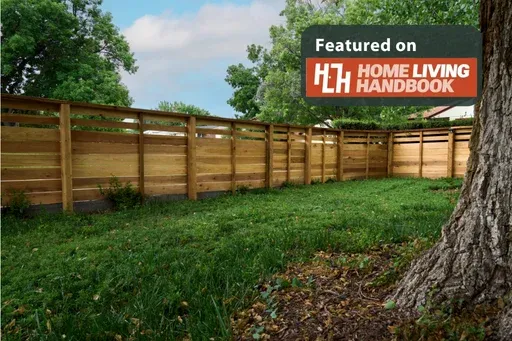
Choosing a privacy fence for a Toledo home involves more than deciding how much of the yard should be screened from view. Material, appearance, maintenance, property layout, gate placement, and local requirements can all influence the final design. Homeowners looking for locally tailored fencing options can explore Top Rail Fence Toledo to find an approach that fits the property and its intended use.
Start with the kind of privacy you want
Privacy can mean different things depending on how the yard is used. A backyard may need a fully enclosed setting for relaxation, a visual barrier around a pool, or screening from nearby properties. The ideal privacy fence should address those needs without making the property feel unnecessarily closed off.
Full screening for everyday backyard use
A solid fence can create a strong visual boundary around a backyard. This can be useful when outdoor seating, play areas, patios, or other frequently used spaces are positioned close to neighboring properties.
A well-planned privacy fence can limit direct sightlines into the yard while giving the outdoor space a more defined appearance. The height, panel configuration, and placement should be selected according to the property's layout rather than simply choosing the tallest available option.
Privacy does not have to mean a heavy appearance
A completely enclosed fence can provide substantial screening, but the overall design still matters. Panel style, color, texture, posts, gates, and surrounding landscaping can determine whether the fence feels integrated with the home.
For smaller Toledo yards, proportion can be especially important. A carefully designed privacy fence can establish separation without overwhelming the available outdoor space.
Compare materials before settling on a design
The material selected for a privacy fence affects its appearance, maintenance needs, longevity, and relationship with the home. There is no single material that suits every Toledo property.
Wood offers traditional character
Wood remains a versatile choice for homeowners who want a traditional residential appearance. Its natural texture can complement older homes, updated properties, gardens, patios, and landscaped yards.
Wood can also support different fence styles, allowing the finished design to be adjusted to the character of the property. However, it requires attention to maintenance over time, particularly as outdoor exposure affects the material.
When considering wood, homeowners should look beyond the initial appearance and think about how the fence will fit into their long-term maintenance plans.
Vinyl creates a consistent finished look
Vinyl can provide a clean and uniform appearance for homeowners who prefer a more consistent exterior design. Its smooth surfaces can work well with contemporary and traditional residential settings.
A vinyl privacy fence can also be useful where homeowners want strong visual separation without the texture associated with wood. Color and style should still be considered carefully so the fence complements the home's siding, trim, landscaping, and other exterior features.
Other fencing styles can serve different goals
Not every section of a property necessarily needs complete visual screening. Some homeowners may combine privacy sections with more open fencing around other areas.
This can create different zones within the yard. A screened section could surround a patio while a more open section maintains visibility elsewhere. Working with a fence company can help determine where different levels of privacy make practical sense.
Think about the yard as a series of functional spaces
A fence does more than follow a property boundary. It can influence how people move through the yard and how individual areas relate to one another.
Create a more useful outdoor living area
A patio or deck can feel more defined when the surrounding fence establishes a clear backdrop. A privacy fence can help separate outdoor dining, seating, or entertainment areas from neighboring properties.
The fence can also be coordinated with landscaping and hardscaping. Trees, shrubs, planting beds, walkways, and patios can soften the transition between the home and fence line.
Give pets and children a defined area
A properly planned enclosure can create a practical area for pets or children to use outdoors. Gate placement becomes especially important in these situations because convenient access needs to work alongside the desired level of containment.
The fence should also account for the location of driveways, walkways, landscaping, and other features that people regularly use.
Plan gates as part of the fence instead of afterward
A strong privacy fence design can lose some of its practicality if the gates are poorly positioned. Entry points should be considered at the same time as the fence layout.
Match gate locations to daily movement
A gate near the driveway may provide convenient access for bringing equipment into the backyard, while another gate could connect the side yard with a patio or garden.
The number and placement of gates should reflect how the property is actually used. A fence installation plan that considers everyday movement from the beginning can help avoid awkward access points later.
Give larger access areas enough room
Some homeowners need to move lawn equipment, trailers, outdoor furniture, or other larger items through a gate. These requirements should be identified before construction begins.
A professional fence company can evaluate the proposed layout and account for gate dimensions, clearance, posts, and surrounding structures.
Account for Toledo's property requirements
Local requirements should be reviewed before a privacy fence project moves forward. The City of Toledo states that residential fencing requires a Certificate of Zoning Compliance, and its current fence guidance identifies different maximum heights depending on where the fence is located. The city also advises property owners to verify property lines and check for easements or deed restrictions before installation.
For current requirements, homeowners can review the City of Toledo fence guidelines before finalizing a design.
Verify the property boundary
Fence placement depends on knowing where the property actually ends. When boundaries are uncertain, the City of Toledo recommends contacting a professional surveyor.
This is particularly important when the proposed privacy fence will run close to a neighboring property. Establishing the correct boundary before fence installation can help prevent unnecessary disputes and layout changes.
Check height and placement before ordering materials
Fence height can vary depending on the portion of the property where the fence is installed. Toledo's current residential guidance lists a maximum of 3.5 feet in the front yard and 6 feet in side and rear yards.
Because local zoning requirements can change or vary according to the property's circumstances, the applicable rules should be confirmed before construction.
Make the fence work with the home's exterior
A privacy fence can occupy a significant portion of the property's visible perimeter, so its appearance should relate to the house rather than being treated as an isolated feature.
Coordinate color and material
The fence can complement siding, roofing, trim, exterior doors, and landscaping. Wood can introduce natural texture, while vinyl can provide a more uniform appearance.
The goal is not necessarily to match every exterior feature exactly. Instead, the fence should feel visually compatible with the home's existing character.
Use landscaping to soften the boundary
Plants can make a fence line feel more established and integrated into the yard. Shrubs, ornamental grasses, garden beds, and other appropriate landscaping can add depth around the fence.
Planting should still leave sufficient access for gates, drainage, maintenance, and other property needs. A thoughtful combination of landscaping and privacy fence design can make the boundary feel like part of the overall outdoor environment.
Consider the complete installation instead of one fence feature
The material may attract the most attention during the planning process, but the quality of the overall fence installation also depends on measurements, post placement, transitions, gates, terrain, and property conditions.
An experienced local fence company can evaluate these elements together rather than treating each portion of the project separately. This can be especially useful on properties with uneven ground, unusual lot shapes, existing landscaping, or multiple access points.
Build around the property's existing features
Trees, sheds, patios, utility equipment, driveways, and other structures can influence where fence sections and gates should be placed.
A good layout works with these features whenever possible. It should provide the desired privacy while preserving access and avoiding unnecessary changes to the rest of the property.
Think beyond the first season
A fence should remain useful as the property changes. Landscaping may grow, outdoor areas may be remodeled, and the way a backyard is used may evolve.
Considering those possibilities during fence installation can help create a layout that remains practical instead of requiring major adjustments later.
Choose a privacy fence that fits the whole property
The best privacy fence for a Toledo home depends on the home's architecture, yard dimensions, desired screening, material preferences, access requirements, and applicable local rules. Wood can bring warmth and flexibility, while vinyl can provide a consistent finished appearance. Different sections of a property may also benefit from different levels of screening.
Top Rail Fence Toledo can help homeowners consider material, layout, gates, and placement as part of one coordinated project. Instead of selecting a fence based on appearance alone, evaluating how the enclosure will function across the entire property can lead to a more practical result.
For homeowners ready to discuss their options, Contact Us to connect with Top Rail Fence Toledo and explore a privacy fence design suited to the property. A carefully planned fence installation can provide visual separation, define outdoor spaces, and complement the home's existing character while taking Toledo's local requirements into account.