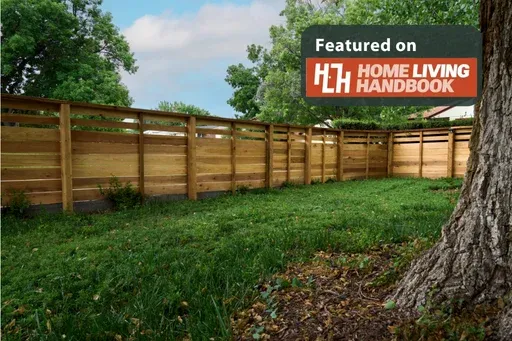
A yard can have plenty of room and still lack a strong sense of personal space. Open views toward neighboring properties, nearby activity, or shared sightlines can make an outdoor area feel connected to everything around it rather than distinctly yours. In West St Louis, thoughtful privacy fencing can change that experience by giving the yard a clearer visual boundary and a stronger sense of separation. Homeowners considering West St Louis privacy fencing options can look beyond the fence itself and consider how its placement, proportions, gates, and relationship with the landscape influence everyday use.
The feeling of ownership starts at the boundary
A property boundary has a practical purpose, but it also influences how an outdoor space feels. When there is nothing substantial separating a backyard from its surroundings, the eye naturally continues beyond the property line.
A well-planned privacy fencing layout creates a stopping point. The yard begins to feel like a distinct outdoor environment rather than an extension of everything happening nearby.
Establishing a visual destination
The fence can give the eye somewhere to stop. Instead of looking through the yard toward neighboring homes, driveways, or other outdoor areas, attention can remain within the property's own landscape.
This can make patios, gardens, lawns, and seating areas feel more connected to one another. The fence becomes the outer frame that gives the rest of the yard a recognizable shape.
Making outdoor time feel more personal
Privacy is not only about blocking views. It can affect whether people feel comfortable using their outdoor space spontaneously.
A defined boundary can make it easier to imagine the backyard as a place for morning coffee, family meals, quiet reading, play, entertaining, or simply taking a break from the activity around the property.
A fence can change the relationship between home and yard
The transition from the interior of a home to its backyard can feel abrupt when the outdoor area remains visually open. Privacy fencing can strengthen that transition by creating a more enclosed setting immediately beyond the house.
Extending the sense of indoor space
A patio or deck surrounded by appropriate fencing can begin to function more like an outdoor room. Furniture, lighting, planting, and other features gain a defined setting instead of sitting within an open landscape.
This does not require adding another structure to the property. The boundary itself can provide much of the visual definition.
Creating separation without changing the footprint
One of the useful characteristics of privacy fencing is that it can influence how a yard feels without requiring additional land.
The fence occupies a relatively narrow strip along the property edge while changing the visual relationship between the yard and its surroundings. The usable footprint remains largely the same, but the experience of that space can become noticeably different.
Privacy becomes more useful when it follows daily routines
Not every part of a yard needs identical treatment. A thoughtful design considers where people actually spend time and where outside views are most noticeable.
Give priority to frequently used areas
A patio facing a neighboring yard may need a different approach from a side passage that is used primarily for access.
During privacy fence installation, identifying these high-use areas can help determine where greater screening will provide the most meaningful improvement.
Consider the views from inside the home
The fence should not only be evaluated from the backyard. Windows, doors, kitchen views, and other frequently used interior spaces can reveal which portions of the property would benefit from greater separation.
A fence that improves the view from a kitchen window or living area can influence the experience of the property even when nobody is standing outside.
The fence can become part of the landscape rather than simply surround it
A strong privacy boundary does not have to compete with the landscaping. When coordinated carefully, it can provide a backdrop that makes plants and outdoor features more noticeable.
Use the fence as a consistent background
Trees, shrubs, ornamental grasses, planters, and garden beds can look disconnected when there is no consistent structure behind them.
A privacy fence creates continuity along the property edge. This can make different landscaping elements appear more connected even when they are separated by several feet.
Let planting soften the boundary
Planting can also prevent the fence from feeling visually dominant. Vegetation positioned near the fence can introduce texture and seasonal changes while preserving the underlying separation.
The combination of fencing and landscaping can therefore produce a more layered outdoor environment than either feature would create alone.
The right proportions can determine whether privacy feels comfortable
More enclosure does not automatically produce a better outdoor experience. The relationship between fence height, yard dimensions, nearby structures, and landscaping can affect whether the finished space feels balanced.
Avoid treating every boundary the same
A backyard may require substantial screening while a front or side section may benefit from a different level of openness.
This is where fence installation planning becomes more than selecting a material. The placement and configuration should reflect how each portion of the property is used.
Think about the scale of the yard
A fence that is visually appropriate for a large backyard may feel very different within a compact outdoor area. The surrounding home, trees, patios, and neighboring structures all contribute to the final impression.
A professional fence company can evaluate these relationships before installation so the boundary supports the property's proportions rather than working against them.
Gates determine how the private space connects to everything else
The feeling of having a defined place should not come at the expense of convenient movement. Gates create the connection between the enclosed yard and the areas outside it.
Put access where it naturally belongs
A gate used for regular backyard access should correspond with existing paths and household routines. Another opening may be appropriate for moving equipment, accessing a driveway, or reaching a side yard.
Thinking about these movements early can make the completed privacy fence installation considerably more functional.
Make the entry feel intentional
A gate can become a transition point between public-facing and private portions of the property. Its size, placement, and relationship to the rest of the fence can help make the entrance feel integrated rather than added as an afterthought.
Privacy can also improve how the yard is organized
Once a boundary is established, different areas within the yard can have clearer relationships with one another.
A seating area can occupy one portion, a lawn another, and a garden or play space another. The fence provides the outer structure while landscaping and furniture establish the internal zones.
The privacy fencing options available for a property can be considered according to these uses, along with the desired appearance, maintenance expectations, access requirements, and level of screening.
Create a stronger sense of outdoor rooms
Outdoor furniture can feel more purposeful when it sits within a defined perimeter. A dining table, lounge area, or fire feature can become the focal point of a particular section rather than simply occupying open lawn.
The fence does not define every individual zone, but it establishes the overall setting in which those zones exist.
Reduce visual distractions
Neighboring activity, parked vehicles, equipment, and other features can compete for attention in an open backyard.
A privacy boundary can reduce some of these distractions and allow the homeowner's own landscaping and outdoor features to take visual priority.
Local planning still matters before installation
A privacy fence should fit the property's physical layout as well as applicable local requirements. Property lines, existing structures, drainage, access points, and neighborhood considerations can all influence the final design.
Missouri's fence law can involve different requirements depending on the location and circumstances of the property. The University of Missouri Extension guide to Missouri fence law explains distinctions involving division fences and local fence regulations, making it useful background when planning a boundary project.
This does not determine the design of every West St Louis property, but it reinforces why fence planning should account for the specific conditions surrounding the installation.
A defined yard can change what the space means to you
The first change created by privacy fencing may not be physical at all. It can be the simple feeling that the yard has become a place that belongs to the household's everyday life.
A clearly established boundary can make outdoor seating feel more secluded, give landscaping a stronger backdrop, reduce distracting views, and create a more deliberate transition between the home and surrounding properties.
For homeowners considering fence installation in West St Louis, Top Rail Fence West St Louis can help evaluate the property's layout, privacy goals, access requirements, and existing landscape before developing a suitable approach. The right design should support how the yard is actually used rather than treating the entire property edge as one uniform space.
When the boundary, gates, landscaping, and outdoor living areas work together, privacy fencing can make a familiar yard feel noticeably more personal. To discuss your property and explore options for your project, visit Contact Us and connect with Top Rail Fence West St Louis.