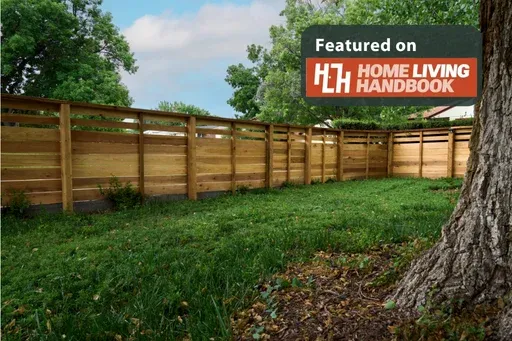
Outdoor life rarely stays contained to one part of a property. Children move between the yard and the house, pets cross through different areas, guests gather near patios, and everyday tasks can take place close to neighboring properties. In West St Louis, privacy fencing can create a visual and functional buffer between those activities and the property edge. With guidance from Top Rail Fence West St Louis, a fence can help organize the outdoor environment without making the yard feel disconnected from the rest of the property.
Create separation without isolating the yard
A privacy fence does more than block a view. Its position can establish where household activity naturally takes place and where the property transitions toward neighboring spaces.
The difference becomes especially noticeable when a yard sits close to sidewalks, adjoining homes, driveways, or frequently used outdoor areas.
Give active spaces a defined boundary
A patio, play area, poolside space, or backyard gathering area can feel more contained when the surrounding boundary is clearly established.
Privacy fencing can provide that separation while still allowing the interior of the yard to function as an open space for everyday use.
Reduce visual distractions around the perimeter
Neighboring structures, parked vehicles, outdoor equipment, and passing activity can compete for attention. A strategically positioned privacy fence can reduce those distractions and create a more consistent backdrop.
This allows the yard to feel more connected to the home instead of constantly drawing attention toward what is happening beyond the property line.
Design around the way the household uses the yard
The most useful privacy boundary starts with the activities it needs to accommodate. A fence surrounding a quiet garden may require a different approach from one enclosing a busy family backyard.
Consider where people naturally gather
Patios, decks, outdoor kitchens, seating areas, and play spaces often become focal points of a backyard. The fence can be positioned and designed to support those areas rather than simply following the property perimeter without consideration for how the yard is used.
A slightly different height, panel arrangement, or transition near these spaces can create a stronger sense of enclosure where it matters most.
Account for pets and children's activity
A backyard used by pets or children may benefit from clearly defined boundaries and controlled access points.
Gates should be positioned according to daily movement patterns. A gate near the house may make routine access easier, while another opening could provide convenient passage toward a driveway or side yard.
Use privacy where it has the greatest impact
A completely enclosed property is not always necessary to create a meaningful buffer. Privacy fencing can be planned selectively around the areas where visual separation matters most.
Screen the most exposed sightlines
Windows, patios, seating areas, and frequently used sections of the yard can often benefit from greater screening than less active parts of the property.
Instead of treating every portion of the boundary identically, the design can respond to the actual sightlines surrounding the home.
Preserve openness where views are desirable
There may be portions of the property where maintaining visibility is useful. A fence can transition between more private and more open sections without making the entire boundary feel inconsistent.
This approach can preserve desirable views while still creating separation around the spaces where household activity is concentrated.
Make the fence work with the home's layout
The location of the home relative to the property lines can influence how a privacy fence feels from inside the yard. A fence that works well on one side may feel unnecessarily dominant on another.
Pay attention to windows and doors
A fence placed directly outside a frequently used window can alter the amount of light and the view from inside the house.
During privacy fence installation, these relationships should be considered alongside the desired level of screening. The objective is to create privacy without unnecessarily compromising useful sightlines or daylight.
Coordinate the fence with outdoor structures
Sheds, garages, decks, patios, retaining walls, and other structures can affect how a fence should transition across the property.
When these elements are considered together, the finished privacy fencing can appear like part of the property's overall layout rather than an independent addition.
Turn the fence into a backdrop for outdoor living
A privacy boundary can also influence the atmosphere of the yard. Instead of functioning only as a barrier, it can provide a consistent surface behind furniture, landscaping, lighting, and other outdoor features.
Give seating areas a calmer background
A patio or outdoor seating area can feel more visually organized when the background is consistent. A well-proportioned fence can reduce the visual competition created by neighboring properties or nearby activity.
The result is not necessarily a darker or more enclosed yard. The right combination of height, spacing, color, and landscaping can make the boundary feel intentional.
Use landscaping to soften the transition
Plants can help connect the fence with the rest of the yard. Shrubs, ornamental grasses, garden beds, and other landscaping can break up long fence runs and create a softer transition between the vertical boundary and the ground.
Careful planting also helps prevent the fence from becoming the only prominent feature along the perimeter.
Plan gates as part of the privacy strategy
A gate creates an opening in an otherwise continuous boundary, so its location and proportions deserve attention.
Separate primary and secondary access
A property may need different routes for people, vehicles, lawn equipment, and pets. Creating access points around actual routines can make the fence easier to use without compromising the privacy provided by the rest of the installation.
Keep gate placement practical
The surrounding driveway, walkway, patio, landscaping, and property grade can all influence where a gate works best.
During fence installation, these details should be addressed before the posts and panels are positioned. A gate that looks good but interferes with everyday movement can make the entire boundary less functional.
Think about what happens along the property edge
The area immediately beyond a fence can influence how effective the privacy barrier feels. Neighboring homes, streets, alleys, sidewalks, and changing elevations can all affect sightlines.
Account for differences in elevation
A property that sits higher or lower than its neighbor may experience different views over the fence. The appropriate design should consider how the boundary appears from both sides rather than focusing solely on the yard where the fence is being installed.
Avoid treating the property line as the only consideration
The legal property line establishes an important boundary, but the finished design also needs to account for access, maintenance, drainage, existing structures, and local requirements.
The City of St. Louis notes that setbacks vary by zoning district and that property owners should verify the applicable zoning requirements for their parcel. The city also states that new residential fences generally require a building permit, with certain exceptions for replacement fencing in rear or side yards.
This makes early planning an important part of a successful fence installation.
Build privacy into the details
The overall panel style is only one part of effective privacy fencing. Posts, gates, transitions, corners, and the relationship between fence sections can all influence the finished result.
Give corners a purposeful transition
Corners can become visually heavy when two tall fence runs meet without any consideration for proportion. Thoughtful post placement and coordinated framing can make these intersections feel cleaner.
Keep the fence consistent around active spaces
A patio or backyard gathering area may receive greater attention, but the surrounding fence should still relate to the rest of the property.
Consistent materials and coordinated details can help the privacy boundary feel unified from the front of the property through the backyard.
Choose a design that supports long-term use
Privacy needs can change as the household changes. Children grow, landscaping matures, outdoor routines shift, and new features may be added to the yard.
A flexible privacy fence design can accommodate these changes more effectively when the initial layout considers future access and maintenance.
Leave practical access for maintenance
Utility equipment, exterior systems, landscaping, and structures may need periodic attention. Gates or carefully planned openings can preserve access without creating unnecessary gaps in the privacy boundary.
Think beyond the initial appearance
A successful privacy fence installation should remain useful after the landscaping matures and outdoor spaces evolve. The fence should complement the property today while leaving room for reasonable changes in how the yard is used.
For Top Rail Fence West St Louis, the goal is to treat privacy fencing as part of the property's everyday environment rather than simply as a wall around the yard. The right placement can create a useful transition between active household spaces and the surrounding neighborhood while allowing patios, gardens, play areas, and gathering spaces to function naturally.
A well-planned privacy boundary can make an outdoor space feel more intentional without eliminating its connection to the home. By considering sightlines, gates, landscaping, household routines, property conditions, and applicable zoning requirements, a fence company can help develop a solution that balances privacy with practical access. For a project in West St Louis, Contact Us to connect with Top Rail Fence West St Louis and discuss how privacy fencing can create the right buffer between everyday activity and the property edge.