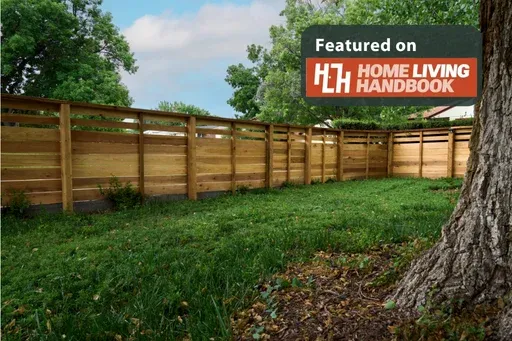
Privacy does not always require the tallest possible fence. In West St. Louis, the way a fence is positioned can influence how secluded a patio feels, how a backyard connects to the house, and how effectively different outdoor areas are separated. A carefully planned privacy fencing layout can direct attention, screen specific sightlines, and define spaces without making the entire property feel enclosed. Homeowners considering this approach can work with Top Rail Fence West St. Louis to develop a fence layout that responds to the property's architecture, outdoor features, and everyday use.
Start with the sightlines that actually matter
Privacy concerns are rarely identical across an entire property. One side of a backyard may face a neighboring home, while another may overlook a quiet tree line. A patio might need more screening than an open lawn, and a side entrance may require a different approach altogether.
This makes placement an important part of privacy fencing design. Instead of increasing the height of every section, a fence can be positioned strategically where visual exposure is most noticeable.
Identify the views you want to soften
Looking at the backyard from different positions can reveal where privacy is actually needed. Views from kitchen windows, neighboring properties, sidewalks, driveways, and elevated areas can all create different levels of exposure.
Once those sightlines are understood, fence installation can be planned around the areas that matter most. This can create meaningful separation without automatically turning the entire property into a fully enclosed space.
Use angles to influence how the yard feels
A straight fence line is not the only way to organize an outdoor area. Depending on the property's layout, carefully considered angles can create more useful separation around patios, seating areas, gardens, or outdoor structures.
The objective is not to make the fence unnecessarily complicated. Instead, the placement can follow the way the yard is shaped and the way its features are positioned.
Frame outdoor areas with intentional boundaries
A patio positioned near a property line may benefit from additional screening on one side while remaining more open toward the rest of the yard. Similarly, a seating area may need privacy from a neighboring property without requiring every side to be enclosed.
Privacy fencing can accommodate these distinctions when the fence line is designed around the outdoor spaces themselves. The result can feel more purposeful because each section responds to a specific need.
Give landscaping a role in creating separation
Fencing does not have to carry the entire responsibility for privacy. Trees, shrubs, ornamental grasses, planting beds, and other landscape features can work alongside a fence to soften views and establish layers.
A well-planned privacy fence installation can leave room for landscaping to become part of the overall privacy strategy. This approach can create a more natural transition between the fence and the rest of the backyard.
Build layers instead of one solid barrier
A fence combined with carefully placed plants can create depth that a single tall panel cannot provide. Landscaping can soften the appearance of the boundary while reinforcing privacy around particular areas.
The Missouri Botanical Garden's gardening resources provide useful information about selecting and planning plants for residential outdoor environments. Considering mature plant sizes and garden placement alongside privacy fencing can help prevent future conflicts between vegetation and the fence line.
Protect the spaces where privacy matters most
Not every backyard activity requires the same degree of seclusion. An outdoor dining area may benefit from stronger screening, while an open lawn may be perfectly comfortable with a more visible boundary.
This allows privacy fencing to be treated as a targeted design feature rather than a uniform wall surrounding every part of the property.
Prioritize patios, decks, and seating areas
Outdoor living areas are often where privacy has the greatest impact. A patio or deck can become more comfortable when neighboring views are reduced, particularly when people spend extended periods there.
During privacy fence installation, positioning the fence to shield these areas can create a stronger sense of enclosure where it is most useful. The remainder of the yard can retain more openness, helping preserve balance across the property.
Consider how the fence interacts with the home
Fence placement can change the visual relationship between a house and its yard. A boundary that lines up thoughtfully with architectural features can make the transition between indoor and outdoor spaces feel more deliberate.
Windows, doors, decks, garages, walkways, and existing structures can all influence the best fence position. During fence installation, these details should be considered before the final layout is established.
Keep important views from feeling blocked
Privacy and openness do not have to conflict. A fence can screen unwanted views while preserving sightlines that homeowners actually enjoy.
For example, a backyard may need screening from one neighboring direction while remaining open toward a landscaped portion of the property. A carefully positioned privacy fencing system can accommodate both objectives instead of treating privacy as an all-or-nothing decision.
Think about movement before finalizing the fence line
A fence can influence more than visibility. It can affect how people enter the yard, where equipment passes, and how easily outdoor spaces connect.
Gate locations therefore deserve the same level of attention as the fence panels. A visually effective design can become inconvenient if access points are positioned without considering everyday movement.
Keep gates aligned with real activity
Frequently used paths should remain straightforward. A gate leading toward a patio, garden, driveway, or side entrance should support the way people actually use that area.
This is one reason selecting an experienced fence company can be valuable. Professional planning can account for access, circulation, property features, and privacy objectives together instead of treating each decision separately.
Make different parts of the yard feel distinct
A large backyard can sometimes feel undefined when every area blends into the next. Strategic fencing can introduce a stronger sense of organization.
A section surrounding a garden can have its own character, while an entertainment area can feel more secluded. Privacy fencing can help establish these distinctions through placement without requiring separate walls or structures.
Define zones without closing everything in
A privacy-oriented fence does not need to make every part of the yard feel isolated. By adjusting where the fence provides greater screening, homeowners can create distinct areas while preserving connections between them.
This approach can be especially useful when a property combines entertaining, gardening, recreation, and relaxation within one outdoor environment.
Plan for the fence to complement future changes
Outdoor spaces rarely remain visually identical for years. Landscaping grows, patios are updated, outdoor furniture changes, and new structures may be introduced.
A thoughtful privacy fencing layout can account for those possibilities. Leaving appropriate relationships between the fence, planting areas, pathways, and structures can make future improvements easier to accommodate.
Avoid designing around temporary features
Furniture arrangements and decorative elements can change relatively quickly. A fence should instead respond to more permanent characteristics such as property boundaries, major structures, established access routes, and long-term outdoor uses.
That perspective can make privacy fence installation more durable from a planning standpoint. The fence remains useful even when smaller details of the backyard are rearranged.
Choose placement before assuming height is the answer
Height certainly affects privacy, but it is only one part of the equation. A strategically positioned fence can sometimes provide more useful screening than a taller fence placed without consideration for sightlines.
For West St. Louis properties, factors such as neighboring elevations, existing landscaping, patios, windows, and property shape can all influence the outcome. Top Rail Fence West St. Louis can help homeowners evaluate these factors before settling on a final layout.
Build privacy around the experience of the yard
The strongest privacy strategy is not necessarily the one that creates the highest barrier. It is the one that improves the parts of the property where privacy is most important while allowing the rest of the yard to retain its character.
A carefully planned privacy fencing system can provide separation, establish outdoor zones, and support a more comfortable backyard experience without relying solely on increased height.
Create separation with purpose
Privacy fencing can do much more than block views. Its placement can influence movement, frame outdoor living areas, support landscaping, and establish distinct zones throughout the backyard.
For homeowners in West St. Louis, thinking about placement before height can lead to a more balanced fencing solution. Top Rail Fence West St. Louis can help translate individual privacy concerns into a layout that works with the home's architecture and outdoor environment.
When the fence is positioned around real sightlines and everyday needs, privacy fencing becomes an intentional part of the property's design rather than simply a taller boundary. Homeowners ready to plan a more thoughtful fence installation can use the Contact Us page to connect with Top Rail Fence West St. Louis and discuss a privacy-focused layout.