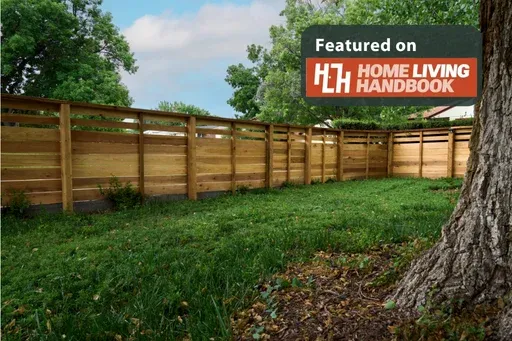
A property boundary can be functional without being visually forgettable. In West St. Louis, a wood fence can become an important design feature when its proportions, layout, material character, and relationship with the surrounding landscape are considered from the beginning. Rather than treating the fence as a line that simply marks the edge of a yard, homeowners can use it to frame gardens, complement architectural details, organize outdoor spaces, and give the property a more finished appearance. A thoughtful approach from Top Rail Fence West St. Louis can help transform an ordinary boundary into something that contributes to the property's overall character.
Give the fence a visual role beyond the property line
The perimeter of a property can influence how the home looks from several different viewpoints. It may be visible from the street, from neighboring yards, from interior windows, and from outdoor living areas.
A wood fence has the visual flexibility to participate in those views instead of disappearing into the background. Its natural texture can add warmth, while its configuration can reinforce the shape and proportions of the surrounding property.
Create a frame for the landscape
A fence can act like a frame around the yard. Trees, shrubs, flowers, pathways, and outdoor structures can appear more defined when they sit against a consistent boundary.
This makes wood fence installation an opportunity to think about the landscape as a complete composition. The fence does not have to compete with planting or hardscaping. It can provide the backdrop that helps those elements stand out.
Use proportion to influence the property's character
The visual impact of a fence depends heavily on scale. A boundary that is too visually dominant can overwhelm a smaller yard, while one that lacks enough presence may fail to provide the intended sense of definition.
Different wood fence designs can create different impressions depending on their height, spacing, orientation, and relationship with the home.
Match the boundary to the surrounding architecture
A fence should make sense alongside the property's existing features. Rooflines, exterior materials, windows, porches, decks, and landscaping can all provide useful visual cues when determining the appropriate fence style.
A coordinated fence installation can reinforce those characteristics rather than introducing a completely unrelated visual element. The result is a boundary that feels connected to the home instead of appearing as a separate addition.
Make outdoor spaces feel intentionally arranged
A fence can influence how a backyard is divided and experienced. Instead of leaving the entire yard visually undefined, fencing can establish a stronger sense of organization around patios, gardens, recreational areas, and other outdoor features.
A strategically placed wood fence can help distinguish these spaces without requiring additional structures.
Define areas without making them feel disconnected
A backyard does not need to be divided into isolated sections to feel organized. Fence placement can provide enough definition to establish individual areas while allowing the landscape to remain connected.
For example, a fence can provide a backdrop behind a seating area while landscaping creates a softer transition toward the lawn. This approach allows wood fence designs to contribute to the overall flow of the property.
Turn texture into part of the outdoor aesthetic
Wood introduces a natural texture that can complement materials commonly found around residential properties. Stone, brick, concrete, landscaping, and exterior siding can all interact with the visual warmth of a wooden boundary.
The fence can therefore become part of a broader material palette instead of functioning as a purely utilitarian feature.
Balance natural texture with existing finishes
The surrounding property should influence how the wood fence is presented. A heavily landscaped yard may benefit from a straightforward fence design that allows vegetation to remain prominent, while a simpler landscape may give the fence more opportunity to become a defining visual element.
Thoughtful wood fence installation can account for this relationship by considering the fence alongside the property's existing materials and outdoor features.
Let gates contribute to the overall composition
Gates are among the most visible details within a fence line. Because they create an opening in the boundary, their placement can influence how the entire fence is perceived.
A gate positioned in line with a walkway, garden entrance, driveway, or architectural feature can feel purposeful. Poor placement, by contrast, can make an otherwise attractive fence seem disconnected from the way the property functions.
Treat access points as design details
Gate width, position, proportions, and surrounding fence sections can all contribute to visual continuity. These details should be considered during the broader fence installation process rather than added as an afterthought.
A well-integrated gate can become a natural transition between different areas of the property while maintaining the visual rhythm established by the rest of the wood fence.
Use the fence to strengthen backyard privacy
A design-focused fence does not have to sacrifice practical benefits. A wood fence can provide privacy while simultaneously contributing to the appearance and organization of an outdoor space.
Privacy can be especially useful around patios, decks, pools, dining areas, and secluded seating spaces where homeowners want a stronger sense of separation.
Combine privacy with visual balance
The goal does not necessarily have to be complete enclosure around every portion of the yard. Different sections can serve different purposes, with more substantial fencing around private areas and complementary landscaping elsewhere.
This gives residential wood fencing greater flexibility. The fence can address practical needs while still supporting the visual character of the entire property.
Design around what is already on the property
A new fence should respond to existing conditions rather than forcing the entire yard to conform to a generic layout. Mature trees, slopes, gardens, sheds, patios, driveways, and walkways can all influence the most effective fence configuration.
During wood fence installation, accounting for these features can help create a finished boundary that appears deliberately integrated with its surroundings.
Work with the property's natural features
A fence line that accommodates established trees and landscaping can feel more natural than one that ignores them. Careful planning can also preserve access to areas that require regular maintenance.
This is where an experienced fence installation team can add value. Top Rail Fence West St. Louis can evaluate the relationship between the proposed boundary and the property's existing features before the final design is established.
Think about the fence from inside the home
The fence is not only experienced from the yard or street. It can also become part of the view from kitchen windows, living rooms, bedrooms, and other interior spaces.
A visually appealing wood fence can provide a consistent backdrop beyond those windows. When combined with mature trees, garden beds, or outdoor furnishings, it can make the view feel more intentional throughout the property.
Create a backdrop that works year-round
Landscaping changes with the seasons, but the fence remains a consistent element. This makes its design especially important because it will continue framing the yard after flowers fade, leaves fall, or outdoor furniture is stored.
The National Association of Landscape Professionals highlights the role of landscaping in creating functional and visually appealing residential outdoor environments. Coordinating a wood fence with the surrounding landscape can help strengthen that connection.
Give the boundary a sense of permanence
A fence becomes part of the property's visual identity once it is installed. That makes it worthwhile to consider how its style will age alongside the home and landscape.
The right wood fence designs can remain relevant even as outdoor furniture, planting schemes, and other decorative elements change. A balanced design provides a stable visual foundation without requiring the rest of the yard to remain unchanged.
Build around lasting characteristics
Permanent features such as the home's architecture, lot shape, major trees, and established access points should carry more influence than temporary decorations.
When these characteristics guide wood fence installation, the resulting boundary is more likely to remain visually appropriate as the property evolves.
Make the fence part of the property's identity
A fence does not have to be the most noticeable feature of a property to make a meaningful contribution. Its value can come from the way it frames the landscape, reinforces architectural character, organizes outdoor spaces, and provides a consistent visual edge.
For West St. Louis homeowners, a wood fence offers an opportunity to approach the property boundary as a design element rather than a basic necessity. Top Rail Fence West St. Louis can help homeowners consider how material, proportions, placement, gates, and surrounding features can work together to create a cohesive result.
Rethink what the boundary can accomplish
The most successful fence designs serve several purposes at once. They establish the property edge, support privacy, guide movement, complement landscaping, and contribute to the home's appearance.
That broader perspective changes the role of a wood fence. Instead of being a blank line around the property, it can become a defining element that gives the landscape structure and helps outdoor spaces feel complete.
For homeowners ready to turn an ordinary boundary into a deliberate design feature, Top Rail Fence West St. Louis can help develop a plan around the property's specific character and needs. Explore options for wood fence installation and connect through the Contact Us page to begin planning a fence installation that contributes more than a simple property edge.