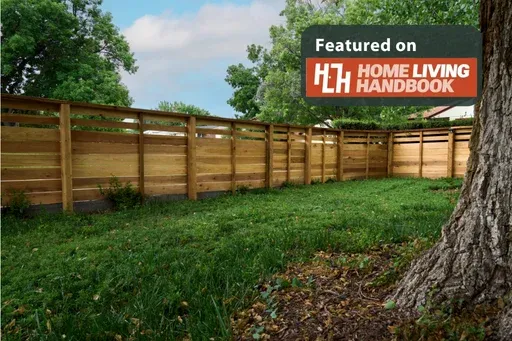
A property edge can be easy to overlook when the focus is placed on the house, landscaping, driveway, or backyard. Yet the boundary surrounding a property has a strong influence on how the entire space comes together. In West St. Louis, a thoughtfully designed wood fence can turn that overlooked edge into a deliberate part of the property's appearance. The natural character of wood can complement landscaping, define outdoor areas, and create a transition between the home and its surroundings. Homeowners planning a new boundary can work with Top Rail Fence West St. Louis to consider how the fence should relate to the property's existing features instead of treating the edge as an isolated installation.
Give the property line a stronger visual purpose
A property boundary does not have to disappear into the background. It can provide structure to the landscape and help establish where the home's outdoor environment begins and ends.
A wood fence is particularly suited to this role because its natural appearance can work alongside different architectural styles and landscaping approaches. Whether the property has mature trees, contemporary planting beds, a traditional exterior, or a simple lawn, wood can create a visual connection between those elements.
Create a deliberate transition around the home
The fence line can act as a transition between the private yard and everything beyond it. When its placement follows the property's shape and existing features, the edge can feel intentional rather than simply necessary.
During wood fence installation, considerations such as corners, changes in elevation, gates, landscaping, and neighboring boundaries can influence the final appearance. These details help determine whether the finished fence looks integrated with the property.
Let natural materials complement the landscape
Wood brings an organic quality that can soften the visual boundary between built structures and outdoor surroundings. This can be especially useful when a property already contains substantial greenery.
Trees, shrubs, flowers, garden beds, and other landscape elements can sit naturally against a wood fence, creating layers instead of a single hard visual line. The fence can also provide a consistent backdrop that allows plants to become more noticeable.
Use the fence as a backdrop for planting
A carefully positioned fence can give landscaping a clearer frame. Taller plants can soften portions of the boundary, while lower planting beds can create a gradual transition from the lawn to the fence.
This does not require the entire perimeter to be heavily landscaped. Even a few intentional planting areas can help connect the wood fence with the rest of the property and make the boundary feel like part of the landscape design.
Wood can also complement a broader landscape plan when the fence is considered alongside planting, pathways, and other outdoor features. St. Louis’s landscape planning guidance emphasizes treating a property as a connected environment where architecture, planting, hardscaping, grading, drainage, and outdoor living features work together. This makes landscape coordination an important consideration when planning a wood fence in West St. Louis, particularly when the goal is to make the property edge feel intentional and connected to the surrounding yard.
Match the fence to the character of the property
A fence can either reinforce the appearance of a home or feel visually disconnected from it. The choice of style, height, spacing, and finish can influence that relationship.
Wood offers considerable flexibility because it can be adapted to different visual goals. A more open design can emphasize the front yard, while a more solid configuration can create greater privacy around a backyard.
The Top Rail Fence wood fencing options demonstrate how wood can be customized for privacy, security, decorative appeal, and different architectural settings. This versatility makes it possible to approach fence installation as part of the property's overall design rather than simply as a boundary project.
Choose proportions that feel connected
Fence height can influence how a property feels from both inside and outside the yard. A fence that dominates the landscape may draw too much attention, while one that is too low may not accomplish the intended purpose.
Proportions should therefore be considered alongside the home's scale, surrounding landscaping, and the amount of separation desired. A balanced wood fence can provide definition without overwhelming the other features that make the property distinctive.
Use changes in the fence line to add structure
A property does not always have a perfectly uniform edge. Lots can include corners, slopes, side yards, driveways, gardens, and architectural projections that require different approaches.
Instead of forcing one continuous visual treatment across every section, the fence layout can respond to these conditions. Subtle changes in direction or carefully planned transitions can make the entire boundary feel more intentional.
Work with the property's natural geometry
The most effective wood fence installation follows the realities of the property. Existing structures, terrain, trees, and access areas can all influence where posts, panels, and gates should be positioned.
Working with those characteristics rather than ignoring them can produce a cleaner finished result. The fence begins to look as though it belongs to the property instead of being placed around it afterward.
Make gates part of the property's visual language
Gates are functional, but they also contribute to how the fence is perceived. Because they create openings within an otherwise continuous boundary, their placement can either strengthen or disrupt the overall design.
A gate leading toward a driveway, garden, patio, or side entrance should make sense from both a practical and visual standpoint. Its proportions and relationship to nearby fence sections can help maintain consistency.
Combine access with visual continuity
A well-positioned gate can become a natural transition between different parts of the property. Rather than appearing as an interruption, it can reinforce the direction of a walkway or align with an important feature of the home.
This is one area where choosing an experienced fence company can make the planning process more cohesive. Design decisions can be considered together instead of treating the fence panels and access points as separate elements.
Give privacy a place within the overall design
A wood fence can serve decorative purposes while also providing privacy and security. However, the goal does not always need to be complete enclosure around every section of the property.
Different areas may require different levels of screening. A backyard seating area may benefit from a solid fence, while another section could use a more open style to maintain visibility.
Create privacy where it has the greatest impact
Strategic privacy can make outdoor spaces more comfortable without making the entire property feel closed in. A fence can screen a patio, pool area, or backyard while allowing other portions of the landscape to remain visually open.
This approach can make residential wood fencing more versatile because the design responds to specific areas instead of applying one solution everywhere.
Consider how the boundary will look beyond installation day
A fence becomes part of the property for years, so its relationship with the surrounding landscape deserves consideration beyond the initial project.
Wood can change in appearance over time depending on its finish, exposure, and maintenance. The surrounding landscaping will also mature, potentially altering the way the fence interacts with trees, shrubs, and planting beds.
Plan for the landscape to mature around it
A newly installed fence may initially stand out more than it will after several seasons of landscaping growth. Planning appropriate spacing for plants and allowing room for maintenance can help the property develop naturally around the boundary.
This long-term perspective makes wood fence installation about more than achieving an attractive result on the day of completion. It is about creating an edge that continues to make sense as the surrounding property develops.
Turn an overlooked edge into part of the design
A property line can provide more than separation. It can frame the yard, reinforce the home's architecture, organize landscaping, and establish a clear visual boundary.
For West St. Louis homeowners, a well-planned wood fence can bring those functions together without making the fence feel like an afterthought. Top Rail Fence West St. Louis can help evaluate the property's layout and determine how material, placement, gates, and design details can work together.
Think of the boundary as a finished element
When a fence is considered alongside the home and landscape, it becomes easier to create a cohesive outdoor environment. The boundary can support privacy, security, curb appeal, and outdoor usability while contributing to the property's overall character.
A thoughtfully designed residential wood fencing solution can therefore change how an ordinary property edge is perceived. Instead of simply marking where the property ends, it can give the landscape a finished frame.
Make the property edge feel intentional
The strongest fencing designs do not compete with the property. They give existing features more structure and help the entire outdoor environment feel considered.
A wood fence can provide that sense of completion through natural materials, adaptable styles, purposeful placement, and carefully coordinated access points. For properties in West St. Louis, those details can make the difference between a boundary that merely serves a function and one that contributes to the home's identity.
When you're ready to develop a boundary that complements your property's architecture and landscape, Top Rail Fence West St. Louis can help turn the concept into a practical plan. To discuss your wood fence installation project and explore available options, visit the Contact Us page and connect with a professional fence company serving the area.