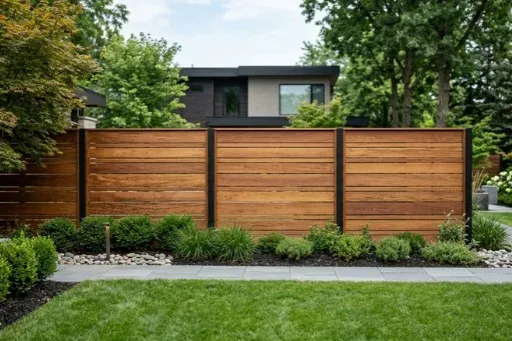
Outdoor lighting can change how a property looks and functions after sunset, but its placement becomes more complicated when a fence is already installed. Posts, rails, gates, and solid panels all affect where fixtures can sit and how their light reaches a walkway or seating area. For properties in West St Louis, planning lighting alongside Top Rail Fence West St Louis can help make wood fence installation part of a coordinated outdoor design rather than a separate project that requires later adjustments. With the right preparation, a wood fence can complement the lighting plan while maintaining its intended appearance, privacy, and boundary function.
Decide what the lighting needs to accomplish
Before choosing fixtures or fence details, identify what should become easier to see at night. A single property may need several kinds of illumination, and each serves a different purpose. Treating every section of the fence as though it needs the same lighting can lead to glare, uneven brightness, or unnecessary expense.
Make entrances easier to recognize
Front gates and side entrances benefit from lighting that helps visitors identify where to enter. A fixture near a gate post can establish a clear focal point, while a light positioned along the adjoining fence may help distinguish the entrance from the rest of the boundary.
During wood fence installation, discuss whether lighting will attach to posts, sit on nearby structures, or be mounted independently. The best location depends on the fixture's weight, mounting requirements, exposure to weather, and the construction of the fence.
Avoid placing lights where an opening gate could strike them or where hardware would obstruct access. Planning these details early helps preserve the appearance of the entrance and reduces the likelihood of modifying finished fence sections later.
Improve visibility along frequently used routes
Paths between a driveway, backyard, garage, and patio can become difficult to navigate when lighting is inconsistent. Fence-mounted fixtures may help define an edge, but they should not be the only source of illumination where people need to see steps, changes in grade, or obstacles.
A wood fence installation plan should account for the direction people approach from and where shadows may fall. A light that illuminates one side of a walkway may leave the opposite side dark, particularly when a tall fence blocks light from other fixtures.
Low-level path lights or lighting attached to nearby structures may provide a better solution in some locations. The aim is to create a useful, balanced lighting arrangement rather than simply adding as many fixtures as the fence can accommodate.
Build the lighting layout around the fence structure
Wood is a versatile fencing material, but the way it is assembled affects where fixtures and wiring can be accommodated. Planning these details before construction helps avoid unnecessary drilling, exposed cables, or awkwardly positioned lights.
Choose fixture locations before panels are assembled
Post-mounted lights can emphasize the rhythm of a fence line, while smaller fixtures may be positioned to illuminate specific features. Solid panels, decorative tops, and different post dimensions can all influence mounting options.
During wood fence installation, decide which posts need lighting, how the fixtures will attach, and whether any components require reinforcement or particular clearances. Not every fence post is automatically suitable for supporting a light fixture, so mounting hardware and product specifications should be checked before installation.
Also consider how the lights will look during daylight. Fixtures that are proportionate to the posts and coordinated with the fence finish tend to look more intentional than oversized fittings added after the panels are complete.
Keep electrical components protected and accessible
Outdoor lighting must be suitable for its exposure to rain, moisture, temperature changes, and other environmental conditions. Wiring should be installed using appropriate outdoor-rated components and methods, with electrical work handled by a qualified professional where required.
Avoid concealing connections in places that cannot be inspected or serviced. If a light needs replacement later, accessible components can make maintenance simpler and reduce the chance of damaging fence boards during repairs.
For a wood fence installation involving multiple fixtures, establish the wiring route and power source before posts and panels are fixed in place. This coordination is particularly important when the fence crosses landscaped areas, paved paths, or locations where future digging may be necessary.
Balance nighttime visibility with comfort and efficiency
Bright lighting is not automatically better lighting. Fixtures that shine directly into neighboring windows or produce harsh glare can make an outdoor space less comfortable, even when the fence itself looks attractive.
Direct light toward useful areas
Aim fixtures at the entrance, pathway, steps, or other feature that needs illumination rather than allowing light to spill across the entire property. Shielded fixtures can help keep the beam focused, while warmer light may create a more comfortable atmosphere in outdoor living areas.
The U.S. Department of Energy's guidance on five principles for responsible outdoor lighting recommends using light only where it serves a purpose, directing it carefully, and keeping brightness to the necessary level. Applying these principles can help a fence lighting plan provide useful visibility without creating excessive glare or unwanted light beyond the property.
Consider timers and motion controls
Lighting controls can make an outdoor setup more convenient. Timers can switch selected lights off at a chosen time, while motion sensors may be useful near side gates or access routes that are not used continuously.
The control method should match the location. A frequently used patio may benefit from a manually operated or dimmable light, while an occasional-access gate may not need continuous illumination throughout the night.
Include control preferences when planning wood fence installation so that fixture placement, power arrangements, and everyday operation are considered together.
Understand how lighting affects the project budget
Combining fencing and lighting planning can help you identify costs before construction begins. The overall fence installation cost will depend on factors such as fence length, wood type, height, terrain, gate requirements, and the complexity of the proposed layout. Lighting introduces additional expenses that should be evaluated separately and then considered as part of the complete project.
Separate essential work from optional upgrades
Ask for an estimate that distinguishes the fence structure from lighting fixtures, electrical work, wiring, controls, and any additional mounting requirements. This makes it easier to compare proposals and decide which features are most important.
A straightforward wood fence installation with a few strategically positioned fixtures may require a different budget from a long perimeter with several gates and lighting zones. Difficult ground conditions, extensive wiring routes, and the need to coordinate other contractors can also affect the final price.
Do not compare quotes on the total alone. Check what materials, labor, preparation, hardware, and finishing work each estimate includes. This gives you a clearer picture of the actual fence installation cost and helps reduce surprises during construction.
Make lighting part of the finished fence design
A well-planned fence should look complete in daylight and remain functional after dark. When lighting is considered early, fixture positions, post dimensions, wiring access, and gate operation can be coordinated before the construction work is finished. That approach can reduce avoidable alterations and help the wood fence installation fit the way the property is used.
For properties in West St Louis, the goal is to create a practical relationship between the fence, outdoor lighting, entrances, and surrounding spaces. Top Rail Fence West St Louis can help you plan the fencing portion of the project around your property's layout and design priorities. To discuss your plans, visit Contact Us and explore how a carefully planned wood fence installation can support an outdoor space that feels cohesive both day and night.