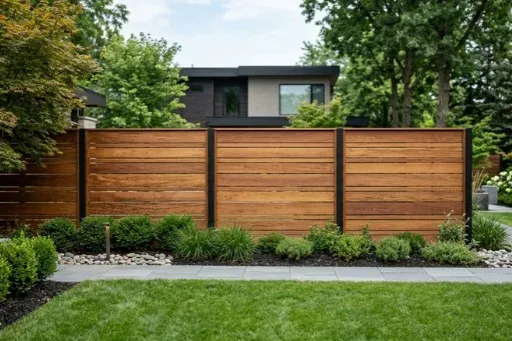
A leaning post, split board, or loose rail does not automatically mean an entire fence needs to come down. The important question is whether the damage is limited to one area or signals a broader problem with the structure. For property owners in West St Louis, assessing the condition of the existing fence before committing to wood fence installation can help avoid unnecessary work while protecting the property's appearance and function. Top Rail Fence West St Louis can help evaluate the condition of the fence, identify which components may need attention, and determine whether a targeted repair or a complete replacement makes more sense.
Read the damage before deciding what to replace
The location and extent of the damage often reveal more than its appearance alone. A broken picket may be a straightforward repair, while several panels leaning in the same direction could indicate problems with posts, fasteners, or the ground around the fence.
Separate surface wear from structural trouble
Start by looking at the boards, rails, posts, and connections individually. Faded stain, peeling finish, or a small crack in one board may affect appearance without making the whole structure unstable. By contrast, significant rot near the bottom of a post, loose connections, or widespread splitting deserves closer inspection.
During an assessment, check whether the damaged section still holds its shape and whether the surrounding panels remain firmly connected. A wood fence can have a visibly worn surface yet retain a sound frame, making selective repairs worth considering.
However, fresh boards will not solve a problem caused by a failing support post. Before planning wood fence installation for a replacement section, determine why the original component failed. Addressing the underlying cause helps prevent the same damage from appearing again.
Look for patterns across neighboring sections
Damage that appears in several places may point to a larger issue. For example, multiple leaning panels could be associated with unstable posts, ground movement, or prolonged exposure to moisture. Repeatedly loose rails may indicate deteriorating fasteners or weakened connection points.
Inspect the fence from both sides where access is available. Look for differences in panel height, gaps between boards, and areas where the fence line no longer appears straight. If damage is concentrated in one isolated section while neighboring areas remain solid, a repair may be practical. If similar problems occur throughout the perimeter, a broader replacement assessment is warranted.
Know when a section repair is enough
Replacing only the damaged portion can preserve sound materials and limit disruption. It works best when the surrounding fence remains structurally stable, and the replacement can connect securely to existing posts or rails.
Repair isolated boards and rails
A few cracked, missing, or badly warped boards may be replaced without rebuilding the entire fence. Loose rails can sometimes be secured again if the rail and its supporting connections remain in good condition.
Matching the replacement material matters. Differences in board width, profile, wood species, and finish can make a repaired area stand out. New wood may also appear lighter than weathered boards, although finishes and natural aging can gradually change the contrast.
A focused repair is less useful when nearby boards are also deteriorating or when the supporting structure cannot hold new components securely. In those circumstances, spending money on individual boards may only postpone more extensive work.
Replace a complete panel when the frame is sound
Some fence designs allow an entire panel or section to be removed while retaining the posts and other stable components. This can be a sensible middle ground when damage affects several boards in one area but does not extend to the rest of the fence.
Before choosing this route, check the condition of the posts, rail connections, and hardware. Confirm that the new section will align with the existing fence in height, spacing, and overall appearance. If the original layout no longer suits the property, this may also be an opportunity to adjust the affected area rather than reproducing a problem.
Recognize when the whole fence has reached its limit
There comes a point when repairing individual sections no longer provides a dependable result. If deterioration affects several posts, rails, and panels, replacing the entire fence may offer a more consistent long-term solution.
Consider the condition of the posts below ground
The visible boards do not tell the whole story. Posts can deteriorate near the soil line, where moisture exposure may weaken the wood even when the upper portion looks acceptable. A post that moves easily or has soft, crumbling timber near its base needs closer evaluation.
If several posts show similar signs of deterioration, repairing only the most obvious damage may leave the rest of the structure vulnerable. Wood fence installation for a complete replacement gives you the opportunity to establish a new support system and address weaknesses across the full fence line.
For more context on identifying and replacing a failing post, This Old House's guide to replacing a decayed fence post explains why assessing the damaged post and its neighboring supports matters before repair work begins.
Weigh repeated repairs against a fresh start
An older fence may have accumulated several small repairs over time. One section might contain replacement boards, another may have a reinforced post, and a third may still have loose rails. If these problems keep returning, the combined effort can become difficult to justify.
Compare the likely work required to stabilize the existing structure with the scope of a new wood fence installation. A replacement can provide consistent materials, updated hardware, and a more uniform appearance. It may also allow you to reconsider the fence height, gate locations, or layout if your property's needs have changed.
Top Rail Fence West St Louis can help assess whether selective repairs are still practical or whether a complete replacement deserves consideration.
Compare the practical impact of each option
The right decision is not based on damage alone. Access, appearance, disruption, and future upkeep all influence whether a repair or replacement will make sense for your property.
Think about how the finished fence will look
A new section installed beside older boards may differ in color, grain, and texture. Even when the replacement material matches the original dimensions, weathering can make the repair noticeable.
If the existing wood fence is generally in good condition, this contrast may be acceptable. If much of the fence is faded, warped, or inconsistent, a full replacement can produce a more uniform finish.
Review different wood fencing options if replacement is under consideration. The available styles and materials can help you determine whether reproducing the existing appearance or choosing a different design is the better fit.
Plan for future fence maintenance
The amount of upkeep a fence is likely to need should also influence the decision. A sound structure with a few damaged boards may only need targeted repairs and routine fence maintenance. An aging fence with widespread deterioration could continue demanding attention even after individual sections are replaced.
Consider whether the current design allows water to drain properly, whether vegetation is pressing against the boards, and whether the finish needs renewed protection. These factors can contribute to recurring problems if they remain unaddressed.
A new wood fence installation is not maintenance-free, but it offers an opportunity to begin with consistent materials and a planned approach to care. Regular inspections, prompt attention to loose hardware, and appropriate cleaning or finishing can help you identify developing issues before they spread.
Make your decision with the full fence in view
Choosing between a section repair and a complete replacement starts with understanding what remains sound and what has begun to fail. Isolated board damage may justify a limited repair, while widespread rot, unstable posts, repeated structural problems, or deterioration across multiple sections can point toward replacement. The objective is to avoid both unnecessary construction and repeated repairs that fail to address the underlying issue.
For a wood fence in West St Louis, inspect the entire perimeter before settling on a plan. Consider the current structure, the appearance you want, and the likely demands of future fence maintenance. If you are weighing repair against wood fence installation, Top Rail Fence West St Louis can help you explore the available options and determine a practical direction for your property. To discuss the condition of your fence and your next steps, visit the Contact Us page.