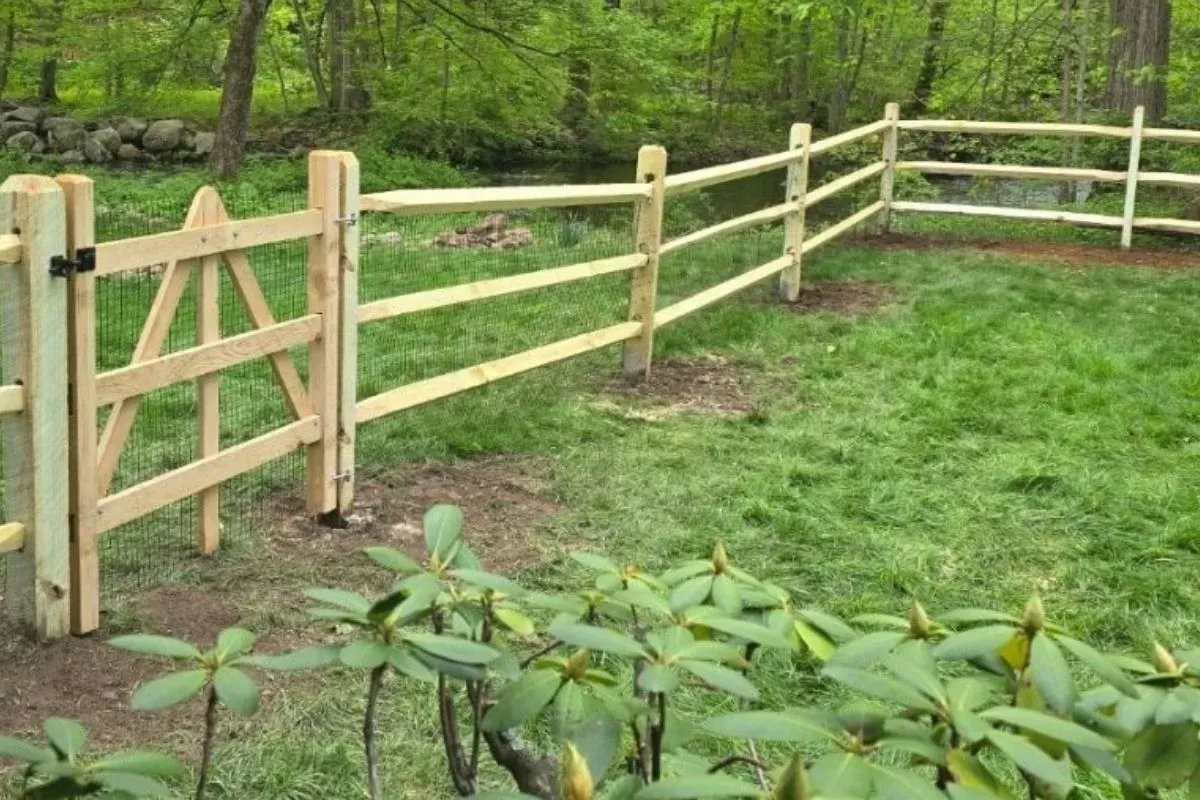
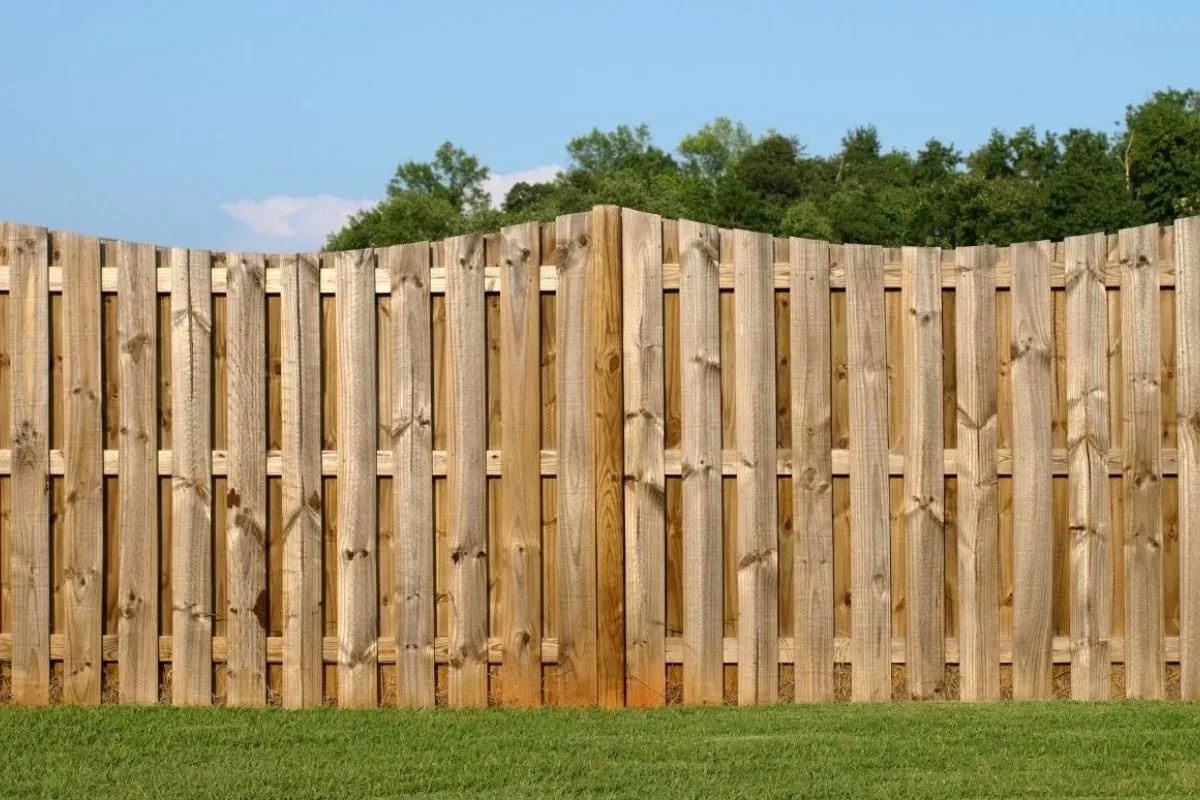
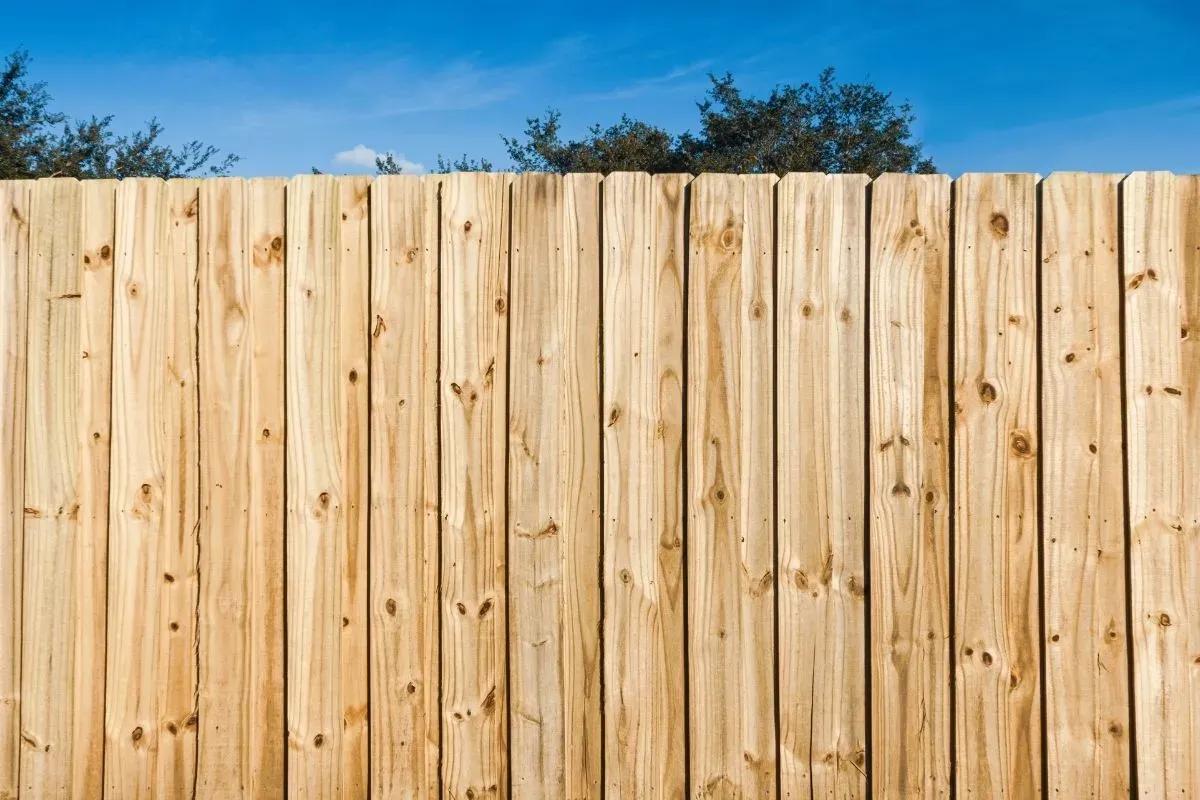
A properly maintained wood fence does more than define property boundaries. It contributes to privacy, security, visual appeal, and the overall presentation of residential and commercial spaces. However, prolonged exposure to rain, sunlight, humidity, and temperature changes can gradually weaken exposed lumber. Applying an appropriate sealant helps limit moisture absorption and reduce surface weathering, provided the wood is prepared and treated correctly. For property owners considering new fencing or improvements to an existing structure, explore Top Rail Fence locations to learn more about available fencing solutions and professional installation options.
Understanding how sealants protect exterior wood
Wood naturally absorbs and releases moisture as environmental conditions change. Repeated wetting and drying can contribute to swelling, shrinking, surface cracks, and warping. Sunlight can also fade the wood's natural color and gradually degrade exposed fibers. Although sealing cannot eliminate these processes, a suitable exterior product helps protect the surface against common environmental stresses.
A protective finish can also make routine cleaning and upkeep more manageable. When combined with sound construction and timely repairs, sealing helps preserve the condition of a wood fence and may delay the need for extensive restoration.
The main benefits include:
- Moisture protection: Helps reduce water absorption when the product is correctly applied and maintained.
- Improved appearance: Preserves the natural grain or introduces a more consistent finish.
- Reduced surface deterioration: Helps limit some effects of weather exposure and ultraviolet radiation, depending on the formulation.
- More manageable maintenance: Supports a regular cleaning and inspection routine.
- Protection of the investment: Helps extend the useful life of serviceable lumber when combined with appropriate care.
The effectiveness of a sealant depends on the wood species, the existing finish, the surrounding environment, and the product selected. Sealing alone cannot prevent every form of deterioration, particularly when water collects around posts or damaged sections remain untreated.
Evaluate the wood before selecting a treatment
Choosing a sealant without examining the fence can lead to poor coverage, incompatible finishes, and unnecessary rework. A careful assessment helps determine whether the lumber is ready for treatment or needs repairs first.
Examine exposed boards and structural components
Inspect the entire fence, including the posts, horizontal rails, board edges, fasteners, and joints. Look for discoloration, splintering, loose boards, cracked sections, and areas that remain damp long after rainfall.
Pay particular attention to posts near the ground. Soil contact, poor drainage, and accumulated vegetation can expose these areas to prolonged moisture. If the wood feels unusually soft, shows extensive decay, or no longer supports the structure securely, investigate the damage before applying any protective coating.
A sealant is intended to protect suitable wood, not repair structural failures. Replacing severely deteriorated components before treatment can prevent wasted materials and effort.
Determine whether the surface has been treated previously
An untreated wood fence may accept a penetrating sealant differently from one that has already been stained, painted, or sealed. Existing coatings can affect how a new product adheres or penetrates the lumber.
Identify the previous finish when possible and review the new product's compatibility requirements. Some surfaces require cleaning and light sanding, while others need the existing coating removed. If the original treatment is unknown, test the proposed product on a discreet section before proceeding with the entire fence.
Match the protective finish to the desired result
Different products offer different levels of color, surface protection, and maintenance requirements. The most suitable option depends on the appearance you want and the conditions the fence must withstand.
Clear sealants for natural grain
Clear products preserve the visibility of the wood grain and are appropriate when maintaining the lumber's original character is important. However, not all clear sealants offer the same ultraviolet protection. Check the product specifications carefully if the fence receives prolonged direct sunlight.
Semi-transparent stains for added color
Semi-transparent stains introduce color while allowing much of the underlying grain to remain visible. Depending on the formulation, these products may also provide water repellency and protection against sunlight.
Check whether the selected stain requires a separate sealant. Products differ in their intended uses, so combining treatments without confirming compatibility can compromise the finish.
Solid stains for a consistent appearance
Solid stains provide more uniform color and conceal more of the underlying grain. They may be appropriate for older fences that need a refreshed appearance, provided the lumber remains structurally sound and the surface is prepared correctly.
Before making a selection, consider the amount of sunlight and rainfall the fence receives, the expected maintenance schedule, and the manufacturer's recommended service conditions. For additional information about wood preservation and the role of protective treatments, consult the U.S. Environmental Protection Agency's overview of wood preservative chemicals.
Prepare the surface before applying the finish
Preparation has a significant influence on the final result. Dirt, mildew, loose fibers, and residual moisture can interfere with product performance, making thorough cleaning and drying essential.
Remove accumulated dirt and organic material
Use a suitable brush to remove loose debris, leaves, cobwebs, and soil. Wash the fence with a cleaner recommended for the wood and the type of buildup present. If using a pressure washer, select an appropriate setting and maintain sufficient distance to avoid damaging the fibers.
Protect nearby landscaping and outdoor surfaces from cleaning products and runoff. Remove vegetation that presses directly against the boards, as trapped moisture can undermine the benefits of sealing.
Complete repairs and allow sufficient drying time
Replace damaged boards, tighten loose hardware, and address minor surface defects before applying the finish. Sanding may be appropriate for rough areas or certain existing coatings, but excessive sanding can damage the wood unnecessarily.
Allow the fence to dry according to the sealant manufacturer's instructions. The required period varies with temperature, humidity, airflow, wood species, and the amount of moisture absorbed during cleaning. New pressure-treated lumber may also require additional drying or weathering before treatment.
Plan around suitable weather conditions
Check the forecast before beginning. Rain during application or curing can interfere with the finish, while excessive heat and direct sunlight may cause the product to dry too quickly. Low temperatures and high humidity can also affect application.
Choose a period when the expected conditions fall within the manufacturer's recommended temperature and moisture ranges. Preparing the work area in advance helps avoid interruptions that could result in uneven coverage.
Apply the sealant evenly across the fence
Once the surface is clean, dry, and ready, apply the selected product according to its instructions. Organizing the work into manageable sections helps maintain consistent coverage.
Test the product before full application
Apply the sealant to a small, inconspicuous area and allow it to dry as directed. Evaluate the color, sheen, and texture before continuing. This step is especially useful when treating weathered lumber or changing from one finish to another.
Use an application method suited to the surface
A brush can help distribute the product around joints, edges, and textured grain. A roller may suit accessible, relatively even surfaces, while a sprayer can help cover larger areas efficiently. Some products benefit from back-brushing to distribute the finish evenly.
Work methodically and follow the recommended coverage rate. Pay attention to exposed end grain and other areas identified in the product instructions. Avoid leaving heavy deposits, puddles, or drips, as excess material can dry unevenly or remain tacky.
Follow the recommended curing process
Some products require one coat, while others specify multiple applications. Apply additional coats only when directed by the manufacturer, allowing the required drying time between applications.
Follow all instructions concerning protective equipment, ventilation, cleanup, and disposal. Keep people and pets away from the work area until the product is safe for normal use.
Build a maintenance routine that protects the finish
Sealing is not a one-time solution. A consistent fence maintenance routine helps identify developing problems before they affect larger portions of the structure.
Inspect areas exposed to frequent moisture
Check sections near sprinklers, downspouts, dense vegetation, and low-lying ground. These locations may remain damp longer than other parts of the fence. Look for fading, peeling where applicable, loose boards, and signs that the protective finish is wearing away.
Keep the surrounding area clear
Trim overhanging plants, remove leaves that collect along the fence line, and address drainage issues that leave posts standing in water. Avoid piling soil or mulch against wooden components. Reducing prolonged moisture exposure helps support the effectiveness of the protective treatment.
Reapply protection when needed
There is no single resealing interval suitable for every wood fence. The product formulation, lumber type, weather exposure, and condition of the existing finish all influence when another application becomes necessary.
Inspect the fence periodically and follow the manufacturer's recommendations. If the finish is deteriorating, determine whether cleaning, surface preparation, or repairs are necessary before recoating.
Recognize when professional attention is appropriate
Some fences require more than routine cleaning and sealing. Extensive rot, leaning posts, widespread insect damage, and numerous failing boards may indicate that repairs or replacement are more practical than another protective treatment.
An experienced fence company can evaluate the condition of the structure and help determine which improvements make sense. Professional fence installation also provides an opportunity to consider material selection, ground clearance, drainage, and other factors that influence long-term performance.
Top Rail Fence provides fencing solutions for a range of residential, commercial, and agricultural applications. Understanding the condition of the lumber and choosing suitable protective products can help you make informed decisions about maintaining your existing fence or planning a replacement.
Contact us about your wood fencing needs
Whether you need guidance on a new project, repairs to an aging structure, or options for maintaining an existing wood fence, choosing the right next step can help protect your investment. Top Rail Fence can help you explore fencing options suited to your property's requirements, appearance, and intended use. Visit our Contact Us page to discuss your project and request assistance with your fencing needs. With appropriate materials, sound installation, and consistent fence maintenance, a well-built wood fence can remain functional and attractive for years.