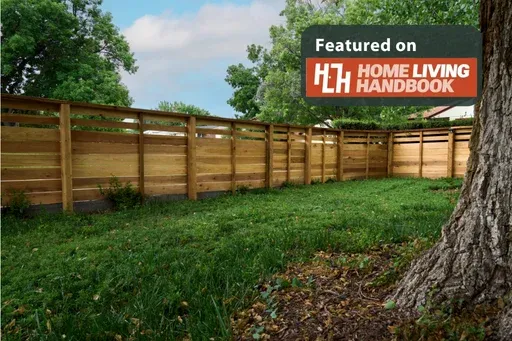
A successful fencing project starts long before the first hole is dug. In Bridgewater, families are increasingly using temporary layouts made from stakes and string to visualize how a fence will affect the way they use their outdoor space. This simple planning method allows homeowners to test ideas, evaluate movement patterns, and identify opportunities before committing to a final design.
A thoughtful fence installation is about more than establishing a boundary. It is about understanding how the fence will interact with patios, gardens, play areas, walkways, and gathering spaces. Those exploring fencing concepts often visit Top Rail Fence Bridgewater to better understand how careful planning can lead to a more functional and attractive property.
Top Rail Fence Bridgewater helps homeowners transform concepts into practical fencing solutions that support both current and future outdoor needs.
Using temporary layouts to reveal better possibilities
Before a permanent fence becomes part of the landscape, a temporary outline can provide valuable insight. Stakes and string allow homeowners to see how different fence locations influence the appearance and functionality of the yard.
Instead of relying solely on measurements or drawings, families can physically experience how a proposed fence will affect daily activities.
Visualizing space before construction
A temporary layout helps homeowners understand the actual footprint of a fence installation. Areas that seem large on paper can feel very different once boundaries are marked in the yard.
This visual perspective often leads to better decisions regarding fence placement.
Identifying overlooked opportunities
Sometimes a mockup reveals possibilities that were not obvious during the planning phase. A slight adjustment in the fence line may create additional room for entertaining, gardening, or recreational activities.
Testing multiple configurations
One advantage of using stakes and string is flexibility. Several fence installation layouts can be explored before a final decision is made, reducing uncertainty and improving confidence in the project.
How backyard flow influences fence placement
A fence should complement the natural movement patterns within a yard. Temporary layouts help homeowners evaluate how people navigate outdoor spaces and where adjustments may improve functionality.
Following natural walking routes
Families tend to develop preferred pathways through their yards. A planned backyard fence should support those routes rather than interfere with them.
By marking fence lines before construction, homeowners can identify potential obstacles and make corrections early.
Preserving access to important features
Gardens, sheds, patios, and outdoor kitchens all require convenient access. Testing layouts helps ensure the final design supports the way these areas are used.
Improving connections between activity zones
A well-positioned backyard fence can create a stronger relationship between different parts of the property, helping the landscape feel more organized and intentional.
Why residential fencing benefits from advance planning
The most effective residential fencing projects balance appearance, privacy, and functionality. Temporary layouts make it easier to evaluate all three factors before installation begins.
Understanding sightlines across the property
Fence placement influences what can be seen from different locations within the yard. A mockup helps homeowners determine whether important views are preserved or blocked.
Evaluating privacy needs
Privacy expectations vary depending on how outdoor spaces are used. A temporary layout allows homeowners to assess whether the proposed fence location creates the desired level of separation.
Supporting long-term property goals
A carefully planned residential fencing project should continue meeting household needs for years. Temporary layouts help ensure the design remains practical as outdoor priorities evolve.
Midway through the planning process, many homeowners review available residential fencing options to better understand how different styles and layouts can influence the overall property design.
What a fence company sees during the planning stage
Experienced professionals often identify details that may not be immediately obvious to homeowners. Working with a knowledgeable fence company can help uncover opportunities and prevent costly adjustments later.
Recognizing potential spacing issues
A temporary layout can reveal narrow passages, awkward transitions, or areas where the fence may feel too close to existing structures.
Evaluating future landscape growth
Trees, shrubs, and gardens continue to evolve over time. A professional fence company considers how future growth may affect the fence and surrounding areas.
Balancing function and appearance
An attractive fence should also support practical outdoor use. A trusted fence company helps ensure that aesthetics and functionality work together.
Turning ideas into a smarter fence installation
Planning with stakes and string allows homeowners to test concepts before construction begins. This process creates opportunities for refinement that are difficult to identify after installation.
Comparing different layout concepts
A small shift in fence alignment can dramatically affect how a yard feels. Temporary layouts make side-by-side comparisons possible.
Reducing surprises during construction
The more planning that occurs beforehand, the fewer unexpected issues arise during the actual fence installation process.
Creating confidence in final decisions
Seeing a fence layout in real space helps homeowners feel more certain about their investment. It becomes easier to evaluate whether the design truly supports the intended use of the property.
According to the Landscape Architecture Magazine, visual planning techniques can significantly improve outdoor design outcomes by helping property owners better understand spatial relationships before construction begins.
Building a backyard plan before building a fence
The best fencing projects start with observation, experimentation, and thoughtful planning. By using stakes and string to test ideas, homeowners gain a clearer understanding of how a fence will influence movement, privacy, and functionality throughout the yard.
A carefully planned fence installation allows every part of the property to work together more effectively. Whether the goal is creating a safer backyard fence layout, improving residential fencing functionality, or working closely with a trusted fence company, early planning can make a significant difference in the final result.
Top Rail Fence Bridgewater helps homeowners throughout Bridgewater evaluate possibilities before construction begins, ensuring that every fencing project reflects the unique needs of the property and family. By taking the time to test ideas before installation, homeowners can make smarter decisions that lead to better long-term outcomes.
To learn more about designing a customized fencing solution for your property, visit the Contact Us page and connect with Top Rail Fence Bridgewater today.