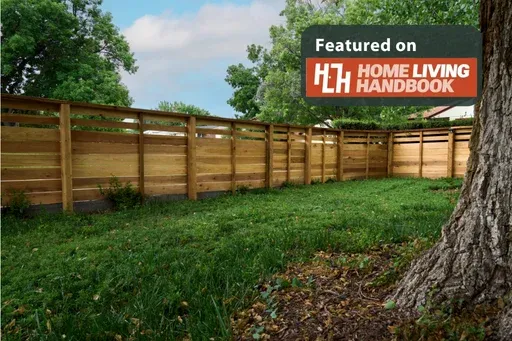
A long fence line can sometimes make an otherwise attractive yard feel visually repetitive. In Bridgewater, homeowners with larger properties or extended boundaries can use carefully planned vinyl fencing to introduce variation without making the design feel disconnected. One approach is to vary panel widths at selected points, creating subtle changes in rhythm while keeping the overall fence cohesive. Working with Top Rail Fence Bridgewater can help homeowners determine where those changes make sense during the planning stage.
Alternating panel widths should not mean randomly mixing measurements along the entire boundary. Instead, the idea is to establish a predictable visual pattern that responds to gates, landscaping, corners, architectural features, and changes in the property's layout. With the right approach, vinyl fencing can provide structure while giving a lengthy boundary more visual interest.
Turn repetition into a deliberate design feature
A long run of identical panels creates consistency, but too much repetition can also make the fence appear flat. Introducing controlled variation can change how the eye moves across the boundary.
Establish a repeating sequence
Alternating wider and narrower sections can create a visual cadence that gives the fence line more character. The pattern might be concentrated around a specific portion of the yard rather than continued from one property corner to another.
The key is consistency. If panel widths change without an obvious relationship, the result can look accidental. A planned sequence allows the variations to feel intentional while preserving the clean appearance associated with vinyl fencing.
Use transitions instead of constant changes
Not every panel needs to be different. A long run could maintain one width through most of the property and introduce alternating sections near a patio, garden, gate, or corner.
This creates a transition between visual zones without making the entire fence overly complicated. It also gives the vinyl fence installation a clearer structure because each variation has a purpose.
Let the property determine where widths change
The most effective layouts respond to what already exists around the fence rather than imposing a pattern independently of the landscape.
Frame important outdoor features
A wider panel can help emphasize a particular section of the yard, while a narrower panel can create a subtle transition toward another feature. For example, a sequence might visually frame a landscaped seating area or establish a stronger boundary around a backyard entrance.
This approach allows vinyl fencing to become part of the landscape composition instead of functioning as a uniform perimeter.
Work around gates and corners
Gates naturally interrupt a fence line, so they can become useful reference points for changing panel dimensions. Corners can serve a similar purpose.
Rather than forcing an alternating pattern through every structural transition, consider using these locations as natural stopping or starting points. This can make the design easier to understand visually and may simplify the planning involved in the fence installation.
Create proportion without making the fence look uneven
Different panel widths can add movement, but proportion remains important. The objective is to create variation without making some sections appear disconnected from the rest.
Keep the height consistent
One of the easiest ways to make alternating widths feel cohesive is to maintain a consistent fence height. When the vertical dimension remains stable, changes in horizontal spacing become a subtle design detail rather than a dramatic alteration.
A consistent height also allows the fence to maintain a strong visual boundary while the changing widths provide the rhythm.
Repeat proportions across selected sections
If a property includes several similar landscape areas, the same panel-width relationship can be repeated. For example, two matching outdoor zones could each use a similar sequence.
Repeating the relationship gives the vinyl fencing design a visual language that can be recognized throughout the property.
Use panel widths to respond to landscaping
Landscaping can make a long fence line feel more integrated with the surrounding yard. Panel variation can support that relationship.
Coordinate with planting beds
A garden bed that widens or narrows along the fence can provide a natural reason to alter panel dimensions. Wider sections can visually support larger planting areas, while narrower sections can work around pathways or smaller landscape features.
The result is a fence that follows the property's composition rather than appearing to divide the yard into two unrelated spaces.
Leave room for mature growth
Plants rarely remain the size they were when first installed. Trees, shrubs, and ornamental grasses can eventually extend toward the fence and change the appearance of the boundary.
Planning the vinyl fence installation with future plant growth in mind helps preserve access for trimming and maintenance. It also prevents the alternating pattern from becoming hidden behind vegetation.
Make the layout practical for installation
A creative fence design still needs to be structurally practical. Panel variation should be incorporated into the layout before posts are positioned.
Measure the entire boundary first
A detailed site measurement helps determine how different panel widths can fit into the available space. The goal is to avoid reaching the final section and discovering that the remaining distance does not work with the intended sequence.
The Home Depot's vinyl fence installation guidance similarly recommends planning the fence layout around panel and gate widths before setting posts, noting that property-line layouts may require smaller sections or adjusted panel dimensions.
This makes the design stage particularly important. Panel variation should be calculated before excavation begins rather than improvised during installation.
Account for slopes and grade changes
A fence line that crosses uneven ground may require additional adjustments. The transition between different panel widths should not interfere with how the fence follows the terrain.
Depending on the fence system and site conditions, sections may need to step or follow the slope. A carefully coordinated layout can preserve the intended rhythm while accommodating changes in elevation.
Choose vinyl fence styles that support the concept
Not every design produces the same visual effect when panel widths change. Selecting suitable vinyl fence styles can determine whether the variation feels subtle, decorative, or more pronounced.
Use clean profiles for a modern appearance
Simple lines and consistent panel heights can make alternating widths appear sophisticated rather than ornamental. This works particularly well around contemporary homes where the fence is intended to complement architectural geometry.
The changing widths become a restrained detail instead of the primary feature.
Consider more decorative profiles for traditional properties
Picket tops, lattice elements, and other decorative details can create a different character. When using more detailed vinyl fence styles, however, panel width changes should be handled carefully so the fence does not become visually crowded.
The surrounding architecture and landscape should guide how much variation is appropriate.
Create focal points along a lengthy boundary
A long fence does not have to be experienced as one continuous visual wall. Alternating widths can divide it into smaller sections that guide attention.
Give the eye places to pause
A change in panel width can signal a transition from one outdoor zone to another. For example, a sequence near a patio can distinguish that space from a less frequently used portion of the yard.
This creates visual pacing without requiring dramatic changes in color or material.
Use symmetry where it matters
If the fence is visible from the home's main windows or a primary outdoor seating area, symmetrical panel sequences may create a more polished appearance.
Meanwhile, less visible portions of the property can use simpler configurations. This allows vinyl fencing to be customized according to where it has the greatest visual impact.
Think about maintenance before finalizing the pattern
The best fence design should remain practical after installation. More complicated layouts can create additional considerations around landscaping, cleaning, and future repairs.
Keep maintenance access predictable
A consistent panel sequence makes it easier to identify individual sections if a component ever needs attention. Gates should also remain accessible without being surrounded by landscaping that makes maintenance difficult.
Because vinyl is generally selected for its low-maintenance qualities, the surrounding landscape should not create unnecessary maintenance challenges that undermine that benefit.
Plan for future modifications
Outdoor properties evolve. A new patio, garden bed, shed, pool area, or outdoor kitchen may eventually change how a fence section is used.
A thoughtful fence installation can leave opportunities for future access and avoid making every design decision permanent. This is another reason to concentrate alternating widths around clearly defined zones rather than applying an elaborate pattern everywhere.
Make the fence rhythm complement the whole property
The strongest use of alternating panel widths is subtle. The fence should still look like one coordinated installation even though individual sections differ.
Top Rail Fence Bridgewater can help homeowners evaluate where changes in width would complement existing architecture, landscaping, gates, and outdoor spaces. The result can be a more intentional boundary where variation adds character without overwhelming the property.
For homeowners comparing vinyl fence styles, the same principle applies: select a design that supports the home's architecture first, then use panel proportions to introduce additional visual interest.
Final thoughts
A long fence line does not have to look repetitive simply because it uses the same material throughout. Thoughtfully alternating panel widths can introduce rhythm, establish transitions, frame outdoor features, and give a lengthy boundary a more customized appearance.
The success of this approach depends on planning. Consistent heights, measured transitions, coordinated landscaping, suitable vinyl fence styles, and careful post placement can keep the design unified. A professional vinyl fence installation also makes it easier to account for gates, property dimensions, grade changes, and future landscaping before the fence is built.
If you want to explore a more intentional approach to vinyl fencing around your Bridgewater property, Top Rail Fence Bridgewater can help you develop a layout that balances visual rhythm with practical construction. You can contact us to discuss your fence plans and determine where alternating panel widths can make the greatest difference.