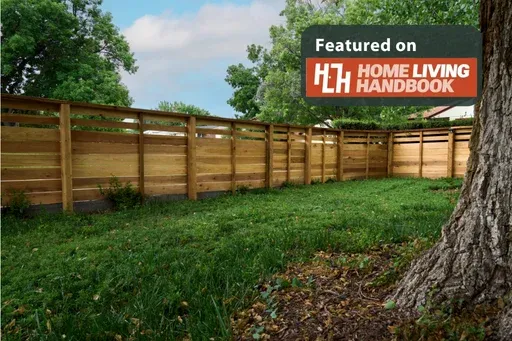
A well-designed outdoor space feels connected rather than fragmented. Whether a property includes a patio, garden, pool, fire pit, or children's play area, creating smooth transitions between each space makes the yard more enjoyable and practical. A thoughtfully planned wood fence can do far more than establish a boundary. It can guide movement, improve privacy where needed, and visually connect different sections of the landscape without making the yard feel closed off.
When planning improvements for your property in Bridgewater, working with Top Rail Fence Bridgewater helps ensure every fencing project complements both the layout of your yard and the way you use your outdoor living areas. You can learn more about local fencing solutions by visiting the Bridgewater fencing services page.
Why outdoor transitions matter in residential landscapes
Outdoor living has become an important extension of the home. Instead of treating the backyard as one open space, many families create separate areas for dining, entertaining, relaxing, gardening, and recreation. Without clear transitions, these spaces can feel disconnected or cluttered.
A carefully planned wood fence helps organize the landscape by establishing visual flow between different outdoor zones. Rather than acting as a barrier, the fence becomes part of the overall landscape design that encourages movement from one area to another.
Creating a natural progression through the yard
Each outdoor space serves a different purpose. The dining area may connect to the patio, while a quiet reading corner sits closer to landscaped gardens. Installing a wood fence with varying heights, decorative accents, or open sections can subtly guide visitors through the property while maintaining an attractive appearance.
Giving every space its own identity
Not every part of the yard needs the same level of privacy or openness. Strategic wood fence installation helps distinguish one area from another without making the entire property feel divided. Small transitions between spaces create a sense of purpose while preserving visual continuity.
How fencing helps organize multifunctional backyards
Today's residential landscapes frequently accommodate several activities at once. Children may be playing while adults entertain guests nearby, and pets may need their own secure area.
A properly positioned wood fence allows these activities to coexist comfortably without interfering with one another.
Separating active and quiet spaces
Families benefit from having designated spaces that support different activities. A fence can separate high-energy play areas from outdoor seating or garden spaces, allowing everyone to enjoy the backyard comfortably.
Thoughtful, different fence ideas make these transitions feel intentional rather than restrictive. Decorative gates, partial privacy sections, or lattice accents can create gentle visual changes between activity zones.
Improving accessibility throughout the property
Smooth movement is just as important as visual appeal. Fence openings, pathways, and connecting gates should make it easy to travel between outdoor areas while maintaining security and organization.
Professional wood fence installation ensures these access points are positioned where they naturally support daily routines instead of interrupting them.
Selecting wood fence styles that support landscape design
The appearance of the fence should complement both the architecture of the home and the surrounding landscape. Selecting the right design helps every outdoor space feel connected.
Matching fencing to outdoor features
A contemporary patio may benefit from horizontal panels, while traditional gardens often pair well with classic picket or board-on-board designs. Choosing suitable wood fence styles allows each section of the yard to maintain its character while contributing to an overall cohesive design.
Different finishes, post caps, and decorative trim can also reinforce the visual relationship between fencing and existing outdoor structures.
Using openness to create visual flow
Solid fencing is not always necessary throughout an entire property. Combining privacy panels with semi-open designs creates gradual transitions that make outdoor spaces feel larger and more inviting.
These different fence ideas help maintain sightlines where appropriate while still defining separate functional areas.
If you're comparing layouts for your property, exploring available wood fencing solutions can provide inspiration for designs that balance privacy with openness.
Making challenging landscapes feel more connected
Every property presents unique design opportunities. Sloped yards, irregular lot lines, mature trees, and existing structures all influence how fencing should be planned.
Working with changing elevations
A sloped property requires careful planning to maintain consistent spacing and attractive lines. A professionally installed wood fence follows the terrain naturally while preserving functionality and appearance.
Stepped or contoured installations allow transitions between elevations without disrupting the overall landscape.
Incorporating existing landscape features
Rather than removing mature trees or established gardens, fencing can be designed to complement these elements. This approach creates smoother visual connections between natural features and built structures.
Creative fence ideas allow homeowners to preserve valuable landscaping while improving organization across the entire yard.
Why planning the installation is just as important as the design
Even the most attractive fencing concept depends on proper execution. Every measurement, corner, and transition affects how well the finished project integrates with the property.
Positioning fences for everyday use
Well-planned wood fence installation considers how people move through the yard every day. Gates should align with sidewalks, patios, driveways, and frequently used pathways to make movement feel natural.
Proper planning also ensures future landscaping or outdoor improvements can be incorporated without requiring significant fence modifications.
Supporting long-term flexibility
Outdoor spaces evolve as families' needs change. Children grow older, gardens expand, and entertaining areas may be updated over time. Choosing adaptable wood fence styles makes it easier to modify portions of the landscape without replacing the entire fence.
According to the American Society of Landscape Architects, thoughtful landscape planning improves how outdoor spaces function while increasing long-term usability and visual appeal. Their residential landscape resources offer valuable guidance for creating cohesive outdoor environments.
Bringing every outdoor space together
A successful fencing project should do more than outline property lines. The right wood fence helps connect patios, gardens, recreation spaces, and landscaped areas into one unified outdoor environment. With thoughtful planning, carefully selected wood fence styles, and professional wood fence installation, homeowners can enjoy a yard that feels organized, welcoming, and easy to navigate.
Whether you're refreshing an existing landscape or planning a completely new outdoor layout, Top Rail Fence Bridgewater provides customized fencing solutions that reflect your property's unique character while improving everyday functionality. Every project is designed to support the way families enjoy their outdoor spaces today and well into the future.
When you're ready to create smoother transitions throughout your Bridgewater property, Top Rail Fence Bridgewater can help design a fencing solution tailored to your goals. Visit the Contact Us page to schedule a consultation and discover how a professionally designed wood fence can transform your outdoor living experience.