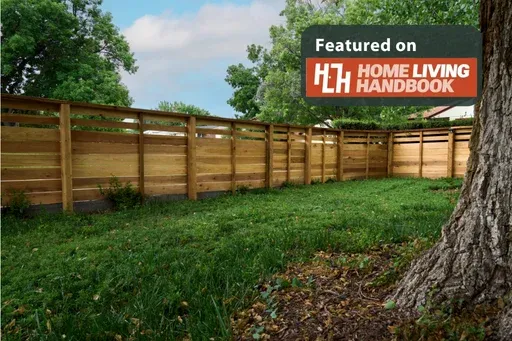
A backyard can serve several purposes at once. One section may be used for outdoor dining, another for children's play, while another provides room for gardening, pets, or quiet relaxation. In Bridgewater, thoughtful wood fence placement can help these spaces work together without making the yard feel divided or restrictive. Homeowners considering a new fence can explore local options through Top Rail Fence Bridgewater while planning a layout around the way their outdoor space is actually used.
A well-positioned wood fence provides more than a boundary around a property. Its location, height, orientation, and relationship with existing landscape features can influence movement, privacy, visibility, and the overall character of the yard. Instead of treating the fence as a simple line around the perimeter, homeowners can make it part of a larger outdoor design strategy.
Start with the activities that shape the yard
The most useful fence layout begins with understanding what happens in each part of the property. A yard designed for several activities needs enough separation to make each area functional while still maintaining a natural connection between spaces.
Give entertaining areas room to breathe
An outdoor dining area or patio benefits from a defined setting. A wood fence positioned behind or beside the entertaining space can provide a visual backdrop without forcing the entire yard into one enclosed zone.
This approach can make a patio feel more intentional while leaving enough room for guests to move between the dining area, lawn, and other parts of the property. The result is a backyard that feels organized rather than crowded.
Keep play areas visually distinct
Children's play areas can require open space, visibility, and easy access. Rather than surrounding the entire yard with separate barriers, a carefully planned wood fence can establish a visual edge around the play zone while preserving sightlines from nearby seating areas.
The positioning matters. A fence that blocks every view may separate adults from children, while a thoughtfully placed structure can create definition without removing awareness of what is happening elsewhere in the yard.
Create a quieter outdoor retreat
Some yards include a section intended for reading, gardening, relaxing, or enjoying a morning coffee. A wood fence can help distinguish this quieter portion from busier areas.
A partial enclosure or strategically positioned section may be enough to create a sense of retreat. This allows different activities to coexist without requiring every area to have the same degree of privacy.
Use fence placement to guide movement
A multi-use yard should feel easy to navigate. The location of a wood fence can influence how people move from one outdoor area to another, particularly when the property includes patios, walkways, gates, gardens, or changes in elevation.
Keep major pathways open
Fencing should complement the natural routes people already use. A gate positioned near a commonly used walkway can provide convenient access between the yard and driveway, side entrance, or entertaining area.
During the planning stage, consider where people naturally enter the yard and where they need to go. This can prevent a new fence from creating unnecessary detours.
Use corners as functional transitions
Corners created by a wood fence can become useful transition points. A corner near a patio could help establish a dining zone, while another portion might frame a garden or separate a service area from the primary lawn.
These transitions can make the yard easier to understand visually. Each space has a purpose, but the overall property still feels connected.
Position gates around daily routines
Gate placement deserves as much attention as the fence line. A gate near the driveway may make it easier to bring equipment into the yard, while a gate closer to a patio may support entertaining and everyday access.
The best location depends on how the property is used rather than simply where the shortest opening can be created.
Match the wood fence design to each space
There are different kinds of fences, and not every design produces the same visual or functional effect. The right selection should reflect both the activity taking place nearby and the character of the property.
Consider privacy where activities overlap
A taller, more enclosed wood fence can work well beside a seating area where privacy is important. It can help reduce visual distractions and establish a more intimate environment.
However, full privacy may not be necessary around every section of the yard. Using a more open design elsewhere can maintain a sense of spaciousness.
Introduce openness near active areas
An open or semi-private wood fence can be useful around spaces where visibility matters. This approach can provide definition without making an active section feel completely enclosed.
It can also help the yard transition more naturally between private and shared areas, especially when several activities happen throughout the day.
Coordinate the design across the property
Even when different sections serve different purposes, the fencing should still look intentional. Consistent materials, complementary heights, and a coordinated layout can prevent the yard from appearing pieced together.
The goal is not necessarily to use identical fencing everywhere. Instead, the design should make each section feel like part of the same outdoor environment.
Think beyond the property perimeter
A common mistake is to view a wood fence only as a border around the outside edge of a yard. Multi-use properties can benefit from considering how fencing interacts with interior spaces as well.
Frame landscape features
A fence can draw attention toward a garden, mature tree, patio, or other landscape feature. When positioned carefully, it provides a backdrop that makes these elements more visually prominent.
This can be particularly effective when the fence follows the existing shape of the landscape instead of cutting across it.
Separate practical areas
Trash storage, equipment, gardening supplies, and other practical features may not belong in the center of an entertaining space. A strategically placed wood fence can visually screen these areas while keeping them accessible.
This creates a cleaner appearance without requiring the entire yard to be redesigned.
Work with existing structures
Decks, sheds, retaining walls, patios, and outdoor kitchens should all be considered before determining the final fence line. Their locations can affect where posts, gates, and access points should go.
During wood fence installation, these relationships become especially important because an attractive design still needs to function properly around existing features.
Plan for long-term fence maintenance
A good layout should remain practical after installation. Fence maintenance becomes easier when the fence has enough clearance from landscaping, structures, and other obstacles.
Leave workable access around the fence
Plants should not be allowed to completely overwhelm the fence line. Leaving reasonable access can make cleaning, inspections, repairs, and future staining or sealing easier.
A little planning during the design stage can prevent difficult maintenance conditions later. This is particularly important when dense shrubs or garden beds are planned near the fence.
Account for drainage
Water movement should be considered before wood fence installation begins. A fence should not interfere with existing drainage patterns or create conditions that leave portions of the yard consistently wet.
Bridgewater's zoning information includes requirements related to fencing, property lines, height, sight distance, easements, and drainage. Reviewing the township's current zoning requirements before construction can help ensure the planned layout addresses applicable local requirements.
Plan for future landscaping
Trees, shrubs, garden beds, and other plantings can change considerably over time. Keeping future growth in mind can reduce conflicts between landscaping and the wood fence, making long-term upkeep more manageable.
Leaving sufficient space around the fence can also make it easier to inspect posts, boards, and other components as the years pass.
Make the fence work with the whole landscape
The strongest designs treat fencing as one component of the yard rather than an isolated feature. A wood fence should relate naturally to patios, pathways, planting beds, lawn areas, and the home's exterior.
Color and finish can influence how prominently the fence stands out. A natural wood appearance may complement planting and landscaping, while a more defined finish can give the property a structured appearance.
Proportion also matters. A fence that overwhelms a small outdoor area can make the space feel compressed, while one that is too visually light may fail to provide the intended separation. The goal is to find a balance between enclosure and openness.
Consider how the yard will change over time
Outdoor needs rarely remain exactly the same. Children grow, entertaining habits change, landscaping develops, and homeowners may eventually add patios, play equipment, gardens, or other improvements.
A flexible wood fence layout can accommodate these changes more effectively than a design focused only on current needs. Leaving logical access points and avoiding unnecessary interior barriers can preserve options for future improvements.
This is one reason planning should happen before the first post is installed. A carefully considered layout can support today's activities while leaving room for tomorrow's priorities.
Turn separate activities into one cohesive outdoor space
A successful multi-use yard does not require every function to occupy a completely isolated section. Instead, the spaces should have enough definition to serve their individual purposes while maintaining a comfortable connection.
A thoughtfully positioned wood fence can create that balance. It can frame entertaining areas, distinguish play spaces, provide privacy around quiet zones, screen practical features, and guide movement throughout the property.
For Bridgewater properties, the planning process should also account for local requirements before wood fence installation begins. The right combination of placement, design, access, and ongoing fence maintenance can make the finished fence a practical part of the landscape rather than simply a boundary.
If your yard includes several activity areas and you are considering a new wood fence, Top Rail Fence Bridgewater can help develop a fencing approach around the way you use the property. Explore wood fencing options to consider designs that can complement different outdoor spaces, then use the Contact Us page to discuss your project with Top Rail Fence Bridgewater.