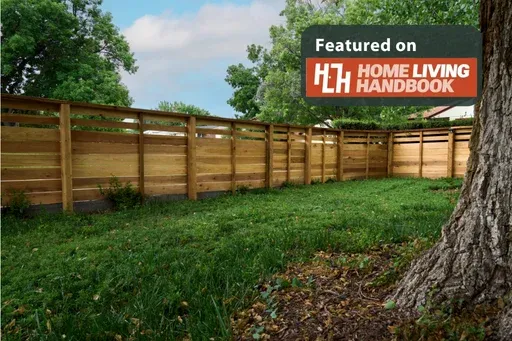
Compact outdoor spaces can be surprisingly versatile when their layout is planned around how people actually use them. A small backyard, narrow patio, or limited side area does not have to feel exposed or disconnected from the rest of the property. With carefully positioned privacy fencing, Charleston homeowners can establish defined outdoor zones while preserving the room needed for movement, seating, gardening, and everyday activities. Top Rail Fence Charleston can help homeowners consider fencing arrangements that make better use of limited outdoor space.
The key is to think about the fence as part of the overall landscape rather than simply an enclosure placed around its perimeter. A well-planned fence layout can influence how spacious an area feels, where furniture can be positioned, and how different portions of a compact yard connect. The right approach to privacy fencing can therefore add function without making a small outdoor area feel unnecessarily confined.
Let the available space determine the fence layout
A compact yard leaves less room for mistakes. Every section of the fence can affect how much usable space remains, which makes the initial fence layout particularly important.
Work around the property's natural dimensions
A rectangular backyard may allow for a straightforward perimeter, while an irregular property could require a more customized arrangement. Corners, narrow sections, existing structures, and changes in elevation should all be considered before fence installation begins.
Following the natural shape of the property can prevent awkward leftover spaces. It also helps the finished privacy fencing look intentional instead of appearing to force a particular design onto the landscape.
Protect the most valuable open areas
In a compact outdoor space, open floor area is valuable. Furniture, planting beds, grills, and recreational features can quickly consume available room.
A thoughtful privacy fencing plan should preserve the areas that provide the greatest practical benefit. Instead of adding unnecessary interior divisions, the fence can create separation around the outside while leaving the central portion available for multiple uses.
Avoid creating unnecessary visual barriers
Privacy is valuable, but complete visual enclosure may not be necessary everywhere. A carefully selected fence height and orientation can provide screening from nearby properties without making the yard feel boxed in.
This balance becomes especially important when the outdoor area is already limited. The objective is to make the space feel more private while maintaining a sense of openness.
Use fencing to establish functional outdoor zones
A compact yard can support several activities when each portion has a clear relationship with the others. Privacy fencing can help establish these zones without requiring permanent walls throughout the property.
Define a comfortable seating area
A small patio or seating area can benefit from a fence that provides a calm backdrop. Positioning the fence behind seating can create a sense of enclosure while leaving the middle of the yard available for movement.
The arrangement can also reduce visual distractions from neighboring yards, helping a small outdoor area feel more intentional and comfortable.
Give gardens their own boundary
Even a modest planting area can benefit from visual definition. A privacy fence can create a backdrop for greenery while helping separate garden beds from walking areas.
The fence should not crowd the plants, however. Leaving sufficient room for growth and maintenance can help the landscape mature without creating problems along the fence line.
Make room for everyday activities
Compact yards frequently need to accommodate more than one purpose. A child may need an area to play, while another section might be used for grilling, relaxing, or storing outdoor equipment.
A flexible fence layout can establish subtle boundaries while keeping the majority of the yard accessible. This allows one space to support different activities instead of assigning every function to a separate enclosed area.
Choose privacy strategically instead of uniformly
Not every side of a compact outdoor area has the same privacy requirements. Some boundaries may face neighboring living spaces, while others may border a driveway, street, or less frequently used portion of the property.
Identify the areas that need the most screening
The most important privacy points should guide the design. A fence along the side facing a neighboring patio may need stronger screening than a section bordering an existing wall or landscaped area.
Prioritizing these locations can make privacy fencing more effective without unnecessarily enclosing portions of the property that already have sufficient separation.
Consider sightlines from nearby windows
Privacy is not only about what happens at ground level. Windows on adjacent homes can overlook compact yards, patios, and seating areas.
During the planning stage, consider the angles from which neighboring properties can see into the yard. This can help determine where additional fence height or a different configuration may provide the greatest benefit.
Use gates without sacrificing usable space
A gate should provide convenient access without interfering with furniture, planting areas, or walking paths. In smaller yards, even the swing direction and location of a gate can influence how the space functions.
An effective privacy fence installation should therefore consider access points as part of the overall design rather than treating gates as an afterthought.
Make a compact yard feel more organized
One advantage of privacy fencing is its ability to give an outdoor space a visual framework. When the boundaries are clearly defined, landscaping and furniture can be arranged with greater purpose.
Create a consistent backdrop
A continuous fence line can provide a visual foundation for a small yard. Instead of having several unrelated views competing for attention, the fence establishes a consistent background.
This can make landscaping, seating, and decorative features stand out more clearly.
Direct attention toward useful features
A fence can also help frame a focal point. A planting bed, seating area, fire feature, or outdoor dining space may appear more prominent when positioned against a carefully selected fence design.
The goal is to use the fence as a supporting element rather than allowing it to dominate the entire landscape.
Keep transitions visually simple
Compact outdoor areas benefit from simplicity. Too many materials, colors, or separate structures can make the yard feel crowded.
A coordinated fence installation can help create visual continuity, particularly when the fence complements the home's exterior and surrounding landscape.
Plan the installation around existing features
Before starting privacy fence installation, existing elements should be mapped into the design. Air-conditioning units, utility equipment, drainage routes, trees, patios, sheds, and exterior doors can all influence the final fence position.
Preserve access to utilities
A fence should not prevent technicians from reaching equipment that requires periodic service. Leaving appropriate access around utility features can prevent future complications.
This is especially relevant in compact yards where every available section may seem suitable for fencing.
Protect established landscaping
Trees and mature plants can affect where fence posts and panels can be placed. Their root systems, branches, and future growth should be considered during planning.
A fence that accommodates existing landscaping is more likely to remain attractive and practical over time.
Consider drainage before construction
Water movement is another important part of the design. Fencing should not obstruct established drainage patterns or create conditions that cause water to collect near posts or other components.
Charleston's current residential fence permitting guidance requires a site plan showing the proposed fence and gates, and fences that encroach into a drainage easement may require an encroachment permit.
Think about the coastal environment when planning the fence
A compact outdoor area in Charleston needs a fencing approach that works with the local environment as well as the property's dimensions. Coastal weather, humidity, strong sunlight, and seasonal storms can all influence how an outdoor fence performs over time. These conditions make material selection and construction quality important parts of privacy fence installation.
Choose a design that supports long-term performance
A fence positioned in a small yard may be exposed to moisture from landscaping, irrigation, and rainfall on several sides. Giving the structure adequate clearance from plants and maintaining appropriate drainage around the posts can help reduce unnecessary exposure to persistent moisture.
The design should also account for how wind moves through the property. A well-planned privacy fencing arrangement can provide screening without creating an unnecessarily bulky barrier in a confined outdoor area.
Consider Charleston's climate when selecting materials
The humid subtropical climate in the Charleston area can create challenging conditions for exterior structures. The National Weather Service's Charleston climate information provides local information about temperature, rainfall, humidity, and other weather patterns that can influence outdoor planning.
These conditions reinforce the importance of choosing appropriate materials and using sound construction practices during fence installation. A well-planned fence should not only provide privacy but also remain practical within the environmental conditions surrounding the property.
Make maintenance access part of the layout
Compact spaces leave little room for convenient repairs when access has not been considered beforehand. The fence layout should leave enough room to inspect posts, clean surrounding areas, trim vegetation, and address sections that may eventually need attention.
Planning these details before fence installation can make routine upkeep easier and help the finished fencing remain attractive as the surrounding landscape develops.
Use landscaping to soften the enclosure
Plants can make privacy fencing feel less imposing in a small outdoor area. Narrow planting beds, containers, and carefully positioned greenery can soften the fence line while adding texture and visual interest.
However, vegetation should not be planted so close that it prevents access to the fence. A balanced arrangement can provide the appearance of a landscaped outdoor room without making future maintenance unnecessarily difficult.
Create more flexibility without adding more space
The most effective privacy fencing does not necessarily make a compact yard physically larger. Instead, it can make the available space more useful by establishing boundaries, improving privacy, and giving each area a clearer purpose.
A carefully considered fence layout can help a small patio function as an outdoor room, allow a narrow side area to serve as a convenient passage, or give a modest backyard enough separation to support several everyday activities.
For Charleston homeowners, the design should balance privacy with accessibility, proportion, landscaping, and local requirements. Professional privacy fence installation can then bring the planned arrangement together with greater attention to placement and functionality. Homeowners can explore privacy fencing options that can complement different outdoor configurations while keeping the available space in mind.
A compact yard can offer much more than its dimensions suggest when every part of the design has a purpose. Top Rail Fence Charleston can help develop a practical approach to privacy fencing that works with the property's existing features and everyday needs. To discuss your outdoor space and installation goals, visit the Contact Us page and connect with Top Rail Fence Charleston.