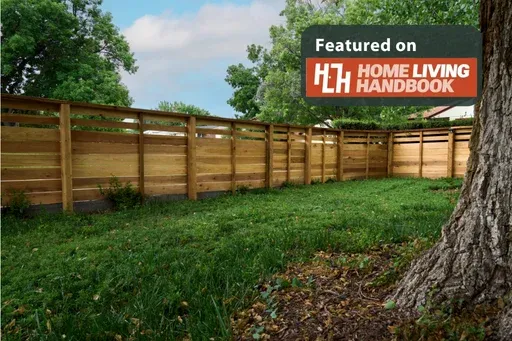
A gate is one of the most frequently moved parts of a fence, so small changes in its position can become noticeable long before other sections show wear. In Charleston, where storms, humidity, rainfall, and shifting ground conditions can put additional demands on outdoor structures, paying attention to those early changes can help protect the entire fence system. A careful review of your privacy fencing can reveal whether the gate is beginning to sag, drag, shift, or close unevenly. Homeowners considering a new project can also explore privacy fencing options in Charleston through Top Rail Fence Charleston to see how a properly planned fence system can support everyday access and long-term performance.
A gate that needs to be lifted slightly before it closes may seem like a minor inconvenience. However, repeated contact between the gate and surrounding posts, hardware, or ground surface can gradually increase stress. Identifying the weak points early gives homeowners an opportunity to address alignment concerns before they affect larger sections of the fence.
Start with the movement patterns around the gate
The way a gate moves can reveal more than its appearance alone. Watching how it opens, swings, and closes provides useful clues about where strain may be developing.
Check the closing path
A properly positioned gate should move through its intended opening without repeatedly scraping the ground or striking the latch post. If the bottom edge begins contacting soil, grass, gravel, or another surface, the problem may involve a change in gate position rather than the ground itself.
Look for a gradual change in clearance. A gate that once had consistent space underneath but now touches one corner may be experiencing sagging or shifting hardware.
This is especially important for privacy fencing, because solid panels can create a larger visual surface that makes small movement patterns easier to notice when viewed from a distance.
Pay attention to uneven gaps
The space between the gate and adjacent fence sections should remain reasonably consistent. A narrowing gap on one side may indicate that the gate is no longer sitting squarely between its supporting points.
An uneven gap does not automatically mean major structural damage. Hinges may need adjustment, fasteners may have loosened, or the gate may have experienced repeated stress from normal use. The important step is recognizing the change before continued movement creates additional wear.
Inspect the hardware before the problem spreads
Gate hardware carries repeated loads every time the gate moves. Unlike stationary fence panels, hinges and latches are constantly exposed to movement, vibration, and impact.
Examine the hinge side closely
Start at the hinge connection and look for loose fasteners, visible movement, damaged hardware, or signs that the gate is pulling away from the post.
A gate that appears slightly lower on the latch side can place increasing pressure on the upper hinge and surrounding connections. With enough repetition, that imbalance can make opening and closing progressively more difficult.
A routine inspection does not require homeowners to dismantle the gate. Simply watching the hinge area while the gate opens and closes can reveal whether the hardware is moving in ways it should not.
Watch for latch misalignment
The latch should meet its receiving point without requiring excessive force. If someone has to lift, push, or pull the gate before the latch engages, the alignment deserves attention.
Repeatedly forcing a misaligned latch can transfer stress into the gate frame and post. Over time, that can turn a simple adjustment into a more involved fence installation repair.
Consider what Charleston weather is doing to the system
Weather conditions can make gate alignment more challenging. The National Weather Service notes that Charleston experiences thunderstorms capable of producing damaging wind gusts, while heavy rainfall and flooding can also affect the area.
That matters because a gate does not operate independently from the surrounding ground and fence structure.
Look at the ground beneath the swing
A gate may gradually lose clearance when the soil beneath its swing path changes. Rain can soften the ground, while repeated foot traffic or drainage patterns can alter the surface around an entrance.
Check whether water tends to collect near the gate after rainfall. If one side of the entrance stays wetter than the other, changes in the surrounding surface may contribute to clearance problems.
The objective is not simply to make the gate swing again. The goal is to understand why the clearance changed so the same issue does not return shortly after an adjustment.
Inspect the posts for movement
A gate post has an important job because it supports moving hardware and receives repeated forces from the gate. If the post begins leaning, even slightly, the gate can lose its original alignment.
Stand several feet away and view the post from different angles. Compare it with nearby fence posts or architectural lines. A subtle lean may be easier to identify from a distance than when standing directly beside it.
If post movement is suspected, correcting the underlying support issue is more useful than repeatedly adjusting the latch.
Separate normal wear from warning signs
Not every change requires immediate replacement. The key is distinguishing routine wear from symptoms that indicate a larger problem.
Minor symptoms worth tracking
Small changes can include a slightly tighter latch, occasional ground contact, a hinge that needs periodic adjustment, or a gate that no longer sits perfectly level.
These signs should not be ignored simply because the gate still functions. Keeping track of when the change first appeared can help identify whether the condition is stable or getting worse.
More serious changes need attention
Repeated dragging, a visibly leaning post, cracked connections, loose structural components, or a gate that swings unexpectedly can indicate a more significant issue.
At that stage, continuing to force the gate through its normal cycle may increase damage. A professional evaluation can determine whether the solution involves hardware adjustment, structural repair, or a broader privacy fence installation assessment.
Build gate planning into the entire fence design
Gate performance should be considered before the first panel is installed, rather than treated as an afterthought.
Match the gate to everyday traffic
Think about how frequently the entrance will be used and what needs to pass through it. A pedestrian gate used several times a day has different practical demands from an entrance used for lawn equipment, vehicles, or large outdoor items.
The surrounding privacy fencing should also provide enough clearance for comfortable movement. A gate positioned too close to landscaping, retaining walls, steps, or other obstacles can create unnecessary pressure on its hinges and frame.
Choose access points with maintenance in mind
A well-positioned gate can make it easier to reach the backyard, maintain landscaping, move equipment, and inspect the fence itself.
Homeowners planning a new project can review residential fencing solutions to consider how access points can be incorporated into a broader residential fence design.
The most useful gate is not necessarily the largest one. It is the one that fits the property layout, expected traffic, surrounding landscape, and long-term maintenance needs.
Use small inspections to prevent bigger interruptions
Gate problems are easier to address when they are identified during ordinary use rather than after the gate stops working.
Make the opening cycle part of your routine
Every few weeks, open and close the gate slowly. Notice whether the movement feels different from the previous inspection.
Check the latch, listen for unusual rubbing or grinding, and look at the clearance along the bottom edge. These simple observations can identify developing problems without requiring complicated equipment.
Look beyond the gate itself
The gate may be where the problem becomes visible, but the cause could be somewhere else. A shifted post, changing grade, loose connection, or damaged adjacent panel can influence how the gate behaves.
That is why an inspection should include the surrounding sections of privacy fencing, not just the moving panel. A gate works as part of a larger system, and its performance can reflect conditions around it.
Keep early alignment problems from becoming larger repairs
A misaligned gate is rarely something worth ignoring indefinitely. Even when the issue starts as a slight scrape or an inconvenient latch, repeated use can increase stress on hinges, posts, fasteners, and surrounding fence sections.
For Charleston properties, regular observation is particularly useful because outdoor structures must contend with changing weather and moisture conditions. The National Weather Service identifies damaging winds and locally heavy rainfall as recurring hazards in the Charleston area, making routine attention to exterior structures a practical part of property care.
Top Rail Fence Charleston can help homeowners evaluate how gate placement, supporting posts, hardware, and overall fence layout work together when planning or improving a project. A thoughtful approach to privacy fencing focuses on more than appearance. It considers how the gate will move, how the surrounding structure will support it, and how the entrance will perform through repeated everyday use.
When a gate begins showing signs of wear, addressing the weak point early can help prevent a small alignment concern from becoming a larger repair. For guidance on your next privacy fence gate project or professional fence installation, Top Rail Fence Charleston invites you to contact us and discuss the right approach for your property.