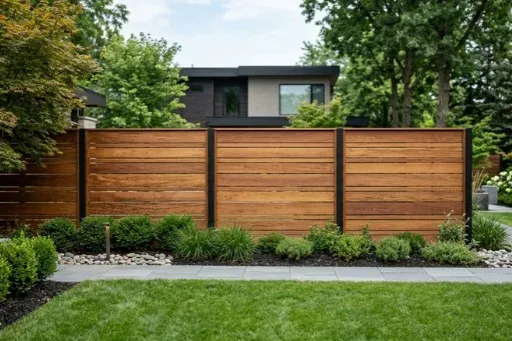
Planning privacy fencing in Charleston involves more than choosing a material, height, and style. Before ordering panels or scheduling privacy fence installation, it is important to organize the approval details that can affect where and how your fence is built. Working with Top Rail Fence Charleston can also help you approach the project with a clearer understanding of the installation process.
A permit-ready project starts with the property information, application details, and supporting documents. Getting these pieces together before purchasing materials can reduce unnecessary delays and help ensure your proposed fence fits the property correctly.
Start with the property information
The first step in preparing for privacy fencing is confirming the information that defines your property. A fence may look straightforward from the street, but property lines, easements, existing structures, and neighborhood requirements can affect the placement.
Review your property plat
Your property plat can provide valuable information about boundaries and easements. Before planning the fence line, review the document carefully and compare it with the existing conditions around your yard.
Pay attention to:
Property lines
Existing structures
Drainage or access easements
Driveways and walkways
Existing fencing
Areas where the proposed fence may approach a neighboring property
A clear understanding of these details can make fence installation easier to plan and gives your contractor better information before materials are ordered.
Do not assume the visible boundary is the legal boundary
A sidewalk, driveway, landscaping edge, or old fence is not necessarily the exact property line. If there is uncertainty, resolve it before installation rather than attempting to correct the fence location after construction.
This is especially important for privacy fence installation, because a privacy fence creates a clearly defined physical boundary that may be difficult and expensive to relocate later.
Confirm whether additional approval applies
Not every privacy fencing project has the same approval path. The property itself can influence which reviews or supporting documents are necessary.
Homeowners should consider whether the property is subject to an HOA, architectural review, or other restrictions before finalizing the design.
Check neighborhood requirements early
An HOA may have its own rules regarding fence height, materials, colors, placement, or appearance. Those requirements can exist separately from the municipal permitting process.
If an HOA applies to your property, obtain its approval before moving too far into the installation process. Doing this early can prevent a situation where a fence meets one set of requirements but conflicts with another.
Consider architectural review areas
Certain properties may also fall under architectural review requirements. If your property is subject to additional design review, identify that before selecting a final fence style.
This matters when choosing privacy fencing because a particular material or configuration may need additional consideration depending on the property's location.
Prepare the permit application carefully
A common source of delay is submitting incomplete information. Rather than treating the permit application as a formality, prepare every part of the package with the proposed fence already clearly defined.
The application should accurately reflect the planned work, including relevant project information such as the type of fence and its dimensions.
Make the fence design easy to understand
Your proposed layout should clearly communicate where the fence will go. Include gates and other important features instead of leaving them out of the initial plan.
A useful plan can help reviewers understand:
- Where the fence begins and ends
- Where gates will be located
- How the fence relates to the residence
- Which portions border neighboring properties
- Whether the fence approaches an easement
- How the proposed layout fits within the existing yard
Clear documentation can also give your fence company a better foundation for preparing the installation.
Pay close attention to easements
Easements deserve special attention before construction begins. An easement may provide rights for drainage, access, utilities, or other purposes, meaning the area cannot always be treated like unrestricted private yard space.
If your proposed fence enters an easement, determine what additional approval may be required before ordering materials.
Drainage areas need particular attention
A fence positioned across a drainage area can create complications if access is needed later. Moving forward without addressing that issue can lead to additional paperwork or changes to the installation plan.
For that reason, mark known easements during the planning stage and discuss them with your installer. It is much easier to adjust a fence layout on paper than after posts and panels have been installed.
Think about gates as part of the approval plan
A privacy fence is not only a series of panels. Gates can affect the overall layout and should be considered from the beginning.
Decide where people will enter and exit the yard, how the gates will open, and whether their locations create conflicts with driveways, walkways, landscaping, or neighboring property.
Include every gate in the proposed layout
Leaving gates out of an initial plan can create unnecessary confusion later. Include their approximate locations and dimensions when developing the fence layout.
This also helps your installer determine how the fence will transition around corners, access points, and changes in the property's configuration.
Choose materials after the approval details are clear
It can be tempting to order materials as soon as you decide that you want privacy fencing. However, purchasing materials too early can become costly if the approved layout requires different dimensions, spacing, or placement.
Instead, establish the permitted fence configuration first.
Match the material to the approved design
Once the layout is clear, you can compare suitable privacy fence materials and styles. Consider durability, maintenance, appearance, and how the selected material fits the property.
You can also explore different privacy fencing options before making the final selection.
The goal is to choose a material that works with the approved design rather than forcing the property to accommodate a material that was purchased prematurely.
Keep your documents organized
Permit-related paperwork should remain accessible throughout the project. Keep copies of the application, property information, approvals, plans, and any correspondence associated with the fence.
Having these documents organized can make it easier to answer questions if the project changes or additional information is requested.
Create a simple project checklist
Before moving toward installation, verify that you have:
- Property information and plat
- Proposed fence layout
- Fence height and dimensions
- Gate locations
- HOA approval, if applicable
- Required applications
- Any applicable architectural review documentation
- Information concerning easements
- Final material selection
- Contractor and installation details
Charleston's current fence permit FAQ identifies HOA approval when necessary, a property plat showing property lines and easements, a completed building permit application, and an additional application when the property falls under architectural review requirements.
Avoid ordering materials too soon
Ordering fence panels, posts, gates, and other materials before the project details are settled can create avoidable expenses. Measurements may change, the layout may need adjustment, or an approval requirement may affect the proposed installation.
Waiting until the important planning details are established gives you greater confidence that the materials purchased will suit the actual project.
Let the installation plan guide the order
The final material order should reflect the confirmed fence line, corners, gates, height, and other project specifications. This approach can reduce waste and make installation more efficient.
It also gives your fence company a clearer basis for estimating the quantity of materials required.
Work with a clear installation plan
A successful privacy fence installation depends on more than having the right number of panels. The fence needs to be positioned correctly, account for the property's existing conditions, and follow the approved project requirements.
Before installation begins, review the layout one more time. Confirm the fence line, gates, corners, access points, and any areas affected by easements.
Taking this final planning step can help prevent small misunderstandings from becoming expensive corrections.
Get your Charleston privacy fence project ready
A well-planned privacy fencing project starts before the first post is installed. By checking property information, identifying easements, confirming applicable approvals, preparing accurate documentation, and waiting to order materials until the layout is settled, you can create a more organized path toward installation.
For help planning the next stage of your project, Contact Us and discuss your Charleston fencing needs with Top Rail Fence Charleston. A clear plan can help you move from the approval stage to installation with fewer surprises and a fence design that fits the property as intended.