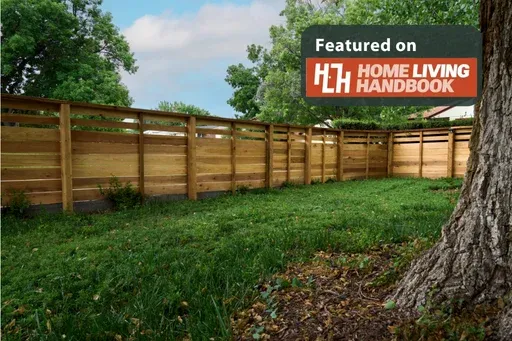
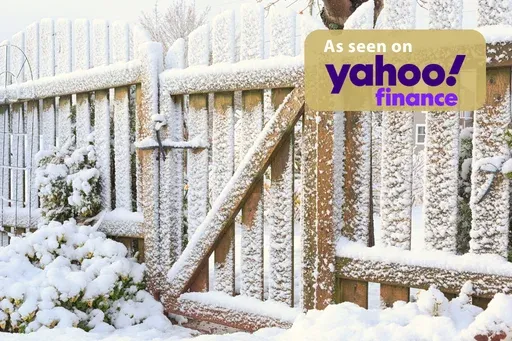
A fence can look perfectly straight after installation and still develop small weaknesses after several rounds of strong wind, rain, and saturated ground. In Charleston, where coastal weather can bring repeated periods of high winds and heavy rainfall, checking a privacy fencing system between storms can reveal problems before they become more noticeable. The Top Rail Fence Charleston gives local homeowners a starting point for planning a professional fence installation that accounts for the demands of the property and its surroundings.
A storm-cycle check is different from simply looking for a fallen panel. It involves paying attention to gradual changes, such as posts that begin leaning, fasteners that loosen, gates that stop aligning correctly, or sections that appear to move differently from the rest of the fence. These details can show where repeated wind stress is affecting a residential fence.
Start with the parts that carry the load
Wind does not affect every component of a fence in exactly the same way. The posts, connections, rails, and panels each play a role in keeping the structure stable.
Check whether posts remain firmly positioned
Fence posts transfer much of the force from the panels into the ground. If a post begins shifting, the movement can become more pronounced during subsequent storms.
Walk along the fence and compare individual posts rather than looking at the entire line from a distance. A post that appears slightly tilted compared with neighboring posts deserves closer attention.
Ground conditions can also influence stability. Heavy rainfall may soften soil around the base of a post, leaving it more vulnerable when another period of strong wind arrives.
Look for movement at the connections
The places where panels, rails, and posts meet deserve particular attention after repeated weather events. A connection that has developed play or movement may indicate that wind loads are being transferred unevenly.
During a privacy fence installation, secure connections and properly positioned structural components are essential to maintaining a consistent fence line. If those components begin moving over time, addressing the issue early can help prevent a small problem from spreading to adjacent sections.
Read the fence line for subtle changes
A fence does not have to be visibly damaged to show signs of repeated stress. Small changes in alignment can provide useful clues.
Compare one section with the next
Stand several feet away and look along the top edge of the fence. Sections that no longer form a consistent line may indicate movement in a post, rail, or panel.
Pay particular attention to areas near corners and gates. These locations can behave differently from long uninterrupted runs because the direction of the fence changes.
A slight variation may not indicate an immediate structural problem, but it is worth documenting so you can determine whether the change becomes more pronounced after future storms.
Watch for gaps that were not there before
Spaces between panels or between a panel and post can become more noticeable when components shift. A new gap may also allow more wind to pass through one area while putting additional pressure on neighboring sections.
This is particularly important for privacy fencing, because the continuous surface that provides privacy also presents a larger area for wind to act against than an open-style fence.
Pay closer attention to gates and corners
Gates are among the most frequently used moving components in a fence system. They also need to remain properly aligned with their surrounding posts.
Test the gate without forcing it
Open and close each gate slowly after a major storm cycle. A gate that drags, catches, or no longer closes evenly may indicate movement in the hinges, latch, posts, or surrounding structure.
Do not force a gate that appears misaligned. Excessive pressure can turn a minor alignment issue into additional damage.
Examine corners from both directions
A corner connects two fence runs, so movement in one direction can affect how the other section behaves. Inspect the corner from both sides and compare the alignment of the adjoining panels.
A corner that appears increasingly uneven after several storms may deserve professional attention as part of a broader fence installation assessment.
Consider what is happening around the fence
Wind stress does not occur in isolation. Trees, landscaping, drainage patterns, and nearby structures can influence how a fence experiences storms.
Keep an eye on trees near the boundary
Branches that repeatedly strike fence panels can cause damage that looks similar to wind-related movement. Overhanging limbs may also increase the amount of debris that collects along the fence line.
A residential fence positioned near mature trees should therefore be inspected alongside the surrounding vegetation. Look for broken limbs, fallen branches, or areas where plants are pressing directly against panels.
Notice where water collects
Standing water or persistently saturated ground near fence posts deserves attention. Repeated rainfall can change the condition of the soil surrounding the fence, which may affect stability over time.
Charleston's storm history demonstrates why weather-related checks deserve more than a passing glance. NOAA records have documented significant wind damage, downed trees, and storm surge impacts across the Charleston area during past tropical systems.
The purpose of a storm-cycle check is not to predict exactly how a fence will perform in a future storm. It is to identify changes that have already occurred and determine whether they need attention.
Separate cosmetic changes from structural concerns
Not every mark left by severe weather means a fence needs major work. Distinguishing appearance-related issues from movement-related problems can make inspections more useful.
Look beyond surface marks
Dirt, leaves, discoloration, and minor scuffing can make a fence appear worse immediately after a storm. Cleaning the surface may reveal that the underlying structure remains unchanged.
Structural concerns are different. Leaning posts, loose connections, shifted panels, damaged rails, and gates that no longer align deserve greater attention.
Photograph recurring trouble spots
Taking photographs from the same position after each significant storm can help reveal gradual changes. A fence that looks slightly different from one month to the next may be easier to evaluate when there is a visual record.
This is especially useful for long runs of privacy fencing, where subtle movement in one section can be difficult to remember accurately.
Use repeated inspections to improve future planning
Storm checks can provide more than a list of repairs. They can also reveal patterns that should influence future fencing decisions.
Identify sections that experience greater exposure
One portion of a yard may sit in a more exposed position than another. A corner facing prevailing winds, an open side yard, or a section without nearby landscaping may experience different conditions from a sheltered portion of the property.
Recording where movement repeatedly appears can help inform future privacy fence installation decisions.
Consider the whole property instead of one panel
Replacing a damaged panel without examining the surrounding structure may leave the underlying issue unresolved. If neighboring sections show similar signs of movement, the problem may involve a post, rail, connection, or installation condition rather than the individual panel itself.
Top Rail Fence Charleston can evaluate the broader fence layout and help determine whether a repair, adjustment, or new fence installation would make more sense for the property.
Give gates and access points extra room for inspection
Storm preparation should not end at the main fence line. Gates, side entrances, and areas around outdoor equipment should remain accessible enough for routine checks.
Keep vegetation from hiding the lower sections
Dense landscaping can make it difficult to see the base of posts or identify changes in the surrounding soil. Maintaining reasonable visibility around these areas makes inspections easier.
This does not mean removing attractive landscaping. It simply means allowing enough clearance to check the portions of the residential fence that are most important to its stability.
Keep drainage paths clear
Leaves, mulch, branches, and other debris can collect around fence lines after storms. Clearing these materials makes it easier to identify water accumulation and inspect the ground around posts.
It also gives you a clearer view of whether the fence has shifted since the previous inspection.
Build a storm-cycle habit into fence ownership
A strong privacy fencing strategy involves more than selecting attractive panels. It also means paying attention to how the fence changes over time. A quick inspection after significant weather can reveal leaning posts, altered gaps, damaged connections, gate movement, and drainage concerns before they become harder to address.
For Charleston homeowners, repeated wind exposure makes this kind of observation especially valuable. The objective is not to make a fence immune to severe weather, but to understand how the system responds and address developing issues before the next storm adds more stress.
Top Rail Fence Charleston can help homeowners evaluate their current fencing needs and plan a professional privacy fence installation with the property's layout and intended use in mind. If your fence has developed movement, alignment problems, or other concerns after repeated storms, contact us to discuss the next step for your privacy fencing project and determine whether targeted repairs or a new fence installation is appropriate.