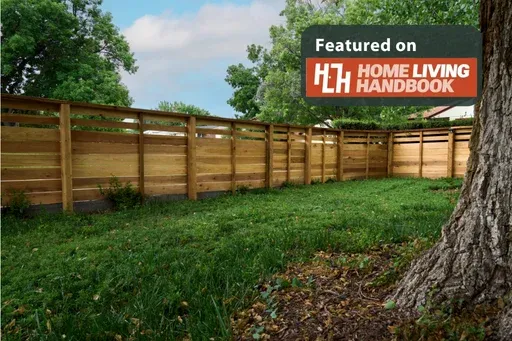
A narrow side yard can be one of the least useful areas of a home, especially when it becomes a space for storing bins, moving equipment, or simply walking between the front and back of the property. With the right design, privacy fencing can give that overlooked area a clear purpose while improving separation from neighboring properties. Homeowners planning a project can connect with Top Rail Fence Charleston to explore a layout suited to the dimensions and daily use of their property.
Rather than treating a side yard as leftover space, a carefully planned fence can turn it into a defined outdoor passage. The fence can establish a visual boundary, create a greater sense of separation, and guide movement between different parts of the property. For Charleston homes where side yards may connect driveways, backyards, patios, garages, and service areas, thoughtful privacy fencing can make the space considerably more functional.
Give an overlooked side yard a clear purpose
A side yard does not need to become a major outdoor living area to provide value. Its usefulness may come from making everyday movement easier and giving frequently used parts of the property a defined route.
Establish a dedicated walkway
A side yard can serve as a convenient passage between the front and rear portions of a property. A privacy fence along one or both sides can help distinguish the walkway from surrounding landscaping and neighboring spaces.
This separation gives the passage a more intentional appearance. Instead of walking through an undefined strip of grass or gravel, residents can move through an outdoor corridor with a clear beginning and destination.
Create a buffer beside neighboring properties
Side yards are often positioned close to adjacent homes. Windows, patios, driveways, and outdoor areas can all face toward this narrow portion of the property.
Strategic privacy fencing can create a visual buffer between these spaces. The goal is not necessarily to make the passage feel enclosed from every direction, but to establish enough separation for greater comfort while preserving practical access.
Make service access more convenient
A side yard can also provide an important route for bringing tools, lawn equipment, bins, or maintenance supplies into the backyard. A fence with a properly positioned gate can preserve this function while giving the area a cleaner appearance.
The gate should be wide enough for the items regularly moved through the passage. Thinking about these practical details before fence installation begins can prevent access problems later.
Design the passage around how the space is used
The dimensions and purpose of a side yard should influence the fencing plan. A narrow passage requires a different approach from a wide side yard that can accommodate storage, planting, or additional outdoor functions.
Measure the available clearance
Before privacy fence installation, the usable width of the side yard should be evaluated. Existing structures, air-conditioning equipment, utility features, drainage areas, and landscaping can all affect where fencing can reasonably be positioned.
A layout that leaves enough room for comfortable movement will be more useful than one that maximizes enclosure at the expense of accessibility.
Think about door and gate locations
Doors leading from the home into a side yard can affect how people move through the space. The same applies to gates connecting the side passage with the front and rear portions of the property.
When these access points align naturally, the completed privacy fencing system can create a smoother transition from one outdoor area to another.
Keep maintenance access in mind
Outdoor equipment may need periodic servicing. Air-conditioning units, utility connections, exterior faucets, and other features should remain accessible after the fence is completed.
A successful residential fence installation accounts for these requirements before construction rather than trying to solve access issues after the fence is in place.
Use privacy fencing without making the passage feel closed in
Privacy does not always require an overwhelming visual barrier. The design can be adjusted according to the width, location, and purpose of the side yard.
Choose height with proportion in mind
A taller privacy fence can provide stronger visual separation from neighboring properties, but height should be considered alongside the width of the passage. A very tall fence in an exceptionally narrow space may make the corridor feel more confined.
The right proportion can provide privacy while maintaining a comfortable outdoor atmosphere.
Consider where full privacy matters most
Some sections may benefit from greater enclosure than others. For example, the portion closest to a neighboring patio may need more screening, while an area near the driveway may benefit from a more open visual relationship.
Using the fence strategically can create different levels of privacy without making the entire side yard feel identical from end to end.
Coordinate the fence with the home's exterior
The fence should complement the architecture rather than appearing disconnected from it. Material, color, gate design, and overall proportions can influence how naturally the finished privacy fencing fits into the property.
For Charleston homes, this consideration can be particularly important when exterior improvements are visible from streets or located within areas subject to additional design review.
Make the side passage useful throughout the year
A well-planned side yard can support more than simple foot traffic. With enough space, the area may accommodate several practical functions without losing its primary purpose as a passage.
Create room for organized storage
A narrow section near the rear of the property can provide a discreet location for items that need to remain outdoors. Screening these items behind privacy fencing can help keep them out of direct view from primary outdoor areas.
Storage should not obstruct the walkway, however. The passage needs to remain clear enough for comfortable movement and routine access.
Integrate low-maintenance landscaping
Plants can soften the appearance of a fenced corridor and create a more welcoming transition between outdoor spaces. Narrow planting beds, containers, or carefully selected shrubs can add visual interest without consuming too much walking space.
Landscape placement should also allow sufficient clearance from the fence so routine maintenance remains manageable.
Improve transitions between outdoor zones
A side yard can connect a driveway, patio, garden, and backyard without needing to look like a purely functional route. Consistent fencing and thoughtful landscaping can give the entire transition a more cohesive appearance.
This is where privacy fence installation can become part of a broader property improvement rather than simply a boundary project.
Account for Charleston requirements before installation
Fence planning also involves more than choosing a material and deciding where the panels should go. The City of Charleston provides specific guidance for residential fences, including requirements related to permits, site plans, zoning review, and architectural review in designated areas. The city's current residential fence guidance states that a site plan should show the proposed fence and gates, while additional review may apply depending on the property's location.
Review the property layout first
Property lines, easements, drainage areas, and existing structures can all affect the proposed fence location. A side yard that appears straightforward may contain an easement or another restriction that needs to be addressed before fence installation.
The City of Charleston also notes that fences placed within certain drainage easements may require an encroachment permit.
Pay attention to historic-area considerations
Properties located within designated historic districts may have additional architectural requirements. Charleston's Board of Architectural Review has specific policies concerning fencing and screening in applicable districts, including requirements affecting materials, design, height, and appearance.
These considerations make early planning especially valuable. A design that works for one neighborhood or property may not automatically be appropriate for another.
Connect privacy with everyday convenience
The strongest side-yard fencing plans balance privacy with access. A fence should make the passage feel more defined without turning it into an obstacle course.
Preserve useful entry points
Gates should correspond with the routes residents actually use. A rear gate might provide access to a backyard, while another opening can connect the passage to a driveway or front walkway.
This can make the enclosed space feel like part of the property's circulation system instead of a dead-end strip along the side of the home.
Avoid unnecessary barriers
Not every section needs to be enclosed in exactly the same way. Strategic openings, appropriate gate placement, and thoughtful transitions can prevent the side yard from feeling unnecessarily restricted.
The purpose of privacy fencing is to improve the function and comfort of the space, not simply to create the maximum possible enclosure.
Create a more orderly exterior
A defined passage can also make the property appear more organized. When walking routes, storage areas, gates, and landscaping have clear relationships, the side of the home can feel more intentional and maintained.
This visual improvement can be especially valuable when the side yard is visible from neighboring properties or frequently used as an access route.
Turn unused space into a valuable connection
A side yard does not need to be large to become useful. When its boundaries, access points, and surrounding features are considered together, even a narrow strip can become a practical outdoor passage.
Privacy fencing can provide the structure needed to make that transformation possible. It can establish separation from neighboring properties, guide movement, conceal less attractive service areas, and give the side of the home a more finished appearance.
For Charleston homeowners, the planning stage should also account for local permitting and design requirements before privacy fence installation begins. With the right combination of placement, gate access, proportions, and materials, the side yard can become an intentional part of the property's overall layout.
A thoughtfully designed residential fence installation can make an underused passage easier to navigate while providing the privacy and visual definition the property needs. Top Rail Fence Charleston can help homeowners develop a fencing plan around the specific dimensions and functions of their outdoor space. When you're ready to discuss your project, use the Contact Us page to connect with Top Rail Fence Charleston and explore a practical approach to privacy fencing for your Charleston property.