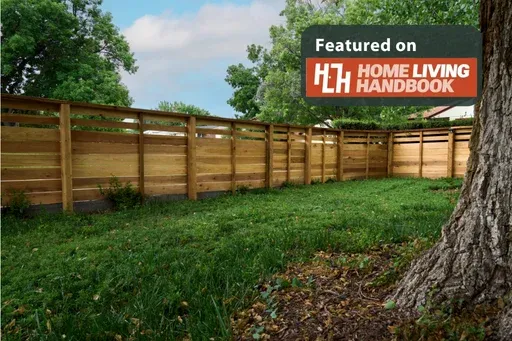
The sun does not treat every section of a fence line equally. On a property in Charleston, the direction a fence faces can influence how much direct sunlight reaches its surface throughout the day. When planning vinyl fencing, understanding these differences can help homeowners think beyond initial appearance and consider how individual vinyl fence panels may look after years of outdoor exposure. Homeowners planning a new project can explore Top Rail Fence Charleston to compare designs that suit the property's layout and long-term expectations.
East-facing and west-facing sections experience sunlight at different parts of the day. An east-facing section receives stronger exposure earlier, while a west-facing section encounters direct afternoon and evening sunlight. That distinction becomes more interesting when the fence is surrounded by trees, neighboring structures, patios, or other features that create periods of shade.
Read the fence line through the daily sun cycle
The first step is to stop viewing the fence as one continuous structure. Different sections can experience noticeably different outdoor conditions even when they were installed at the same time.
Track where direct sunlight lands
Walk along the fence in the morning, around midday, and later in the afternoon. Notice which sections receive uninterrupted sunlight and which ones spend significant periods in shade.
An east-facing section may receive direct morning sunlight before nearby buildings or trees begin casting shadows. Later in the day, that same section may be considerably cooler and less exposed.
A west-facing section presents the opposite pattern. It can remain shaded earlier and then receive intense direct sunlight as the afternoon progresses.
This simple observation can provide useful context when evaluating vinyl fencing that has been exposed to the elements for several years.
Compare shade interruptions
Orientation alone does not determine exposure. Landscaping and surrounding structures can dramatically change the amount of sunlight that reaches individual vinyl fence panels.
A mature tree may shade one section for several hours, while a neighboring section remains exposed. A two-story home can create a long afternoon shadow, while an open backyard may leave the opposite side of the fence exposed.
For that reason, two panels positioned only a few feet apart can experience different weathering conditions.
Understand what UV exposure means for vinyl
Ultraviolet radiation is one component of the outdoor environment that can affect plastic materials over time. NOAA explains that UV radiation can contribute to the degradation of plastics and that exposure varies according to environmental conditions.
Look for gradual surface changes
The effects of sunlight are rarely something that appears overnight. A fence may look nearly identical for years before subtle differences become easier to notice.
When comparing older sections of vinyl fencing, look for changes in surface appearance, color consistency, gloss, or texture. These observations are more useful when the panels can be compared against sections that receive different amounts of sunlight.
A change does not necessarily mean a panel has failed. Outdoor materials experience continuous exposure to weather, and appearance can be influenced by dirt, pollen, moisture, cleaning methods, and surrounding conditions as well as sunlight.
Consider exposure alongside heat
Sunlight does more than illuminate the fence. Direct exposure can also raise the surface temperature of outdoor materials.
This makes the west-facing side particularly interesting during the warmer part of the day. A west-facing fence may receive strong afternoon sunlight when temperatures are already elevated, while an east-facing section may receive its strongest direct exposure earlier.
The goal is not to assume one direction will always experience more damage. Instead, orientation should be treated as one factor in evaluating long-term material performance.
Use panel-to-panel comparisons to spot meaningful differences
A fence inspection becomes more useful when individual sections are compared rather than judged independently.
Find matching sections with different exposure
Look for two vinyl fence panels that are similar in age, color, height, and surrounding conditions but face different directions.
For example, an east-facing section beside a driveway could be compared with a west-facing section along the backyard. If one appears noticeably different, examine what else could explain the variation.
Shade, nearby vegetation, water exposure, dirt accumulation, and cleaning frequency should all be considered before attributing a difference solely to UV exposure.
Pay attention to exposed edges
The most visible part of a fence is not always the only area worth checking. Examine panel edges, posts, rails, and areas around connections.
These locations can provide additional clues about how the fence is aging. A consistent appearance across multiple components is generally more informative than a single isolated spot.
During a professional vinyl fence installation, these relationships can also be considered when determining how the fence will interact with the property's existing landscape and structures.
Charleston's setting makes orientation worth considering
A fence in Charleston deals with more than sunlight. Outdoor fencing is exposed to humidity, rainfall, wind, vegetation, airborne debris, and changing temperatures.
These conditions interact rather than occurring separately.
Account for moisture and shade
A shaded section may receive less direct UV exposure but remain damp for longer after rainfall. An open section may dry faster while receiving substantially more sunlight.
That means the least exposed section is not automatically the section experiencing the least environmental stress.
When evaluating vinyl fencing, consider the complete microenvironment around each section. Look at whether water collects nearby, whether vegetation touches the panels, and whether the fence receives airflow throughout the day.
Watch how landscaping changes exposure
Trees and shrubs can change the conditions around a fence as they grow. A section that receives full sun today could become partially shaded several years from now.
The reverse can also happen when trees are removed, or branches are trimmed.
This is one reason long-term fence planning should account for the landscape rather than treating the fence line as a fixed environment.
Design a fence line around its actual surroundings
Orientation can be considered before fence installation begins. Instead of treating every section as though it will experience identical conditions, the surrounding property can be evaluated as a collection of different exposure zones.
Map the morning and afternoon sides
Identify which sections receive direct morning light, which receive midday exposure, and which remain exposed during the afternoon.
This can help homeowners understand why certain parts of the fence may experience different visual conditions over time.
It can also make future inspections more precise. Rather than simply checking whether the fence looks good, you can compare sections according to their actual exposure patterns.
Think about surrounding structures
A nearby garage, house, retaining wall, pergola, or tall hedge can significantly change sunlight patterns.
During vinyl fence installation, these elements should be considered as part of the site rather than treated as unrelated features. A fence installed beside a tall structure may have a completely different exposure profile from one placed along an open property boundary.
This kind of planning can also help maintain a consistent visual appearance across the property.
Build a practical inspection routine
You do not need specialized equipment to monitor how your fence responds to long-term exposure.
Photograph the same sections periodically
Take clear photographs of the east-facing and west-facing sections from approximately the same distance and angle.
Repeating the process every year makes gradual changes easier to recognize. Side-by-side comparisons can reveal differences that are difficult to notice during ordinary daily use.
Make a note of nearby trees, major landscaping changes, repainting or construction around the property, and any significant cleaning or maintenance.
Keep the comparison consistent
The most useful comparison involves similar panels exposed to different conditions.
If one section is regularly cleaned while another is rarely washed, appearance alone cannot provide a reliable indication of UV-related changes. The same applies when one section is heavily shaded and another is completely exposed.
Consistent observations create a clearer picture of how each portion of the vinyl fencing is aging.
Choose materials with long-term expectations in mind
The purpose of evaluating sun exposure is not to create unnecessary concern about outdoor fencing. It is to encourage better planning and realistic expectations.
Focus on the whole installation
A successful fence installation involves more than selecting a color and arranging panels. The property's orientation, surrounding structures, landscaping, access points, and expected use all influence how the completed fence fits into the outdoor environment.
Quality planning also helps ensure that the fence line remains visually consistent instead of appearing like a collection of unrelated sections.
Keep maintenance simple
One advantage of modern vinyl fencing is that routine upkeep can generally focus on keeping the surface clean and monitoring its condition rather than regularly refinishing the material.
Simple inspections can identify dirt buildup, vegetation contact, damaged components, or other issues that may affect appearance.
Cleaning should also be approached consistently across different fence sections so that comparisons remain meaningful.
Make east and west exposure part of the planning conversation
The difference between an east-facing and west-facing fence may seem minor when the installation is new. Over many years, however, the daily pattern of sunlight becomes part of the environment surrounding the material.
NOAA's UV guidance notes that UV radiation is generally strongest when the sun is higher in the sky and decreases as the sun approaches the horizon, illustrating why the timing of direct exposure matters when considering outdoor materials.
For Charleston homeowners, comparing the morning exposure of one section with the afternoon exposure of another can provide a more informed view of how the fence may age. Top Rail Fence Charleston can incorporate these site-specific considerations when planning a project, helping homeowners think about the relationship between vinyl fence panels, landscaping, structures, and daily sunlight.
The best vinyl fence installation is one that considers the property as it actually exists, not simply as a flat fence line on a drawing. By observing east- and west-facing sections, tracking changes over time, and accounting for shade and surrounding conditions, homeowners can make more informed decisions about their fencing. If you are planning a new fence installation or want to discuss options for your property, Top Rail Fence Charleston can help you contact us to explore a practical approach to long-term vinyl fencing performance.