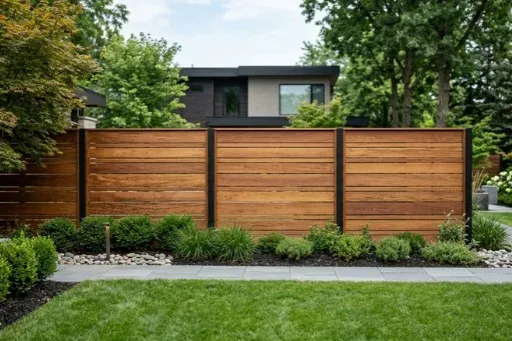
Installing a wood fence in Charleston involves more than deciding where the panels should run. Every post location creates a point where excavation will take place, so the ground needs to be evaluated before digging starts. A careful layout can help identify potential conflicts with underground utilities, drainage features, existing structures, and other obstacles that may affect the project.
For homeowners planning a wood fence, working with Top Rail Fence Charleston can provide a practical starting point for developing a post layout that fits the property and installation plan. The objective is to know what is below the proposed fence line before the first hole is opened.
Treat every post location as an excavation point
A fence line can appear simple when viewed from above, but installing a wood fence requires multiple individual excavations. Each post location should therefore be treated as its own point of consideration rather than assuming the entire yard is clear.
Mark the proposed fence line first
Before digging, establish exactly where the wood fence will run. Use the planned corners, gates, transitions, and straight sections to identify the locations where posts will eventually be installed.
This preliminary layout makes it easier to compare the fence route against visible features around the property. It can also reveal areas where the proposed line crosses near:
- Utility meters
- Exterior electrical equipment
- Water connections
- Irrigation systems
- Drainage features
- Outdoor lighting
- Existing structures
- Driveways and walkways
A fence line that looks clear at the surface can still cross an underground service route, which is why visual inspection alone should never be treated as confirmation that digging is safe.
Do not rely on an existing fence line
An old fence can provide a useful reference for the general property layout, but it should not automatically determine where new posts are placed. Previous construction may have followed a different route, and underground utilities may have been installed or modified since the original fence was built.
During wood fence installation, the new post layout should be evaluated independently instead of assuming that existing post locations are safe to reuse.
Request utility markings before excavation
The most important preparation step is arranging for underground utilities to be located before digging begins. In South Carolina, SC811 advises homeowners to submit a locate request before digging projects, including fence post installation, and recommends making the request at least three business days before work starts.
SC811's homeowner guidance should be reviewed before excavation begins. This is the one external reference for this article.
Give the locating process enough time
Utility locating is not something that should be handled immediately before a crew arrives with equipment. The request needs to be made early enough for the relevant utility operators to respond and mark applicable lines.
That timing should be built into the wood fence installation schedule. If the markings are not complete, the excavation should not simply move forward because the project date has already been scheduled.
Check the markings before work starts
Paint, flags, or other markings can indicate the approximate location of underground utility lines. Before post holes are excavated, the crew should understand what the markings represent and where they intersect with the proposed fence line.
This comparison can reveal that a planned post needs to be shifted, redesigned, or evaluated more carefully before excavation proceeds.
Separate public utilities from private lines
A utility locate does not necessarily identify every underground feature on a residential property. Some lines beyond the standard utility service area can be privately owned.
Look for systems installed inside the property
Private underground systems can include irrigation, wiring serving detached structures, pool-related utilities, outdoor lighting, or other installations that may not be covered by standard utility markings.
That creates an important planning distinction. A yard may have visible utility markings while still containing other buried infrastructure that needs separate attention.
Ask about previous improvements
Think about improvements that may have been installed after the home was constructed. A previous owner may have added irrigation, landscape lighting, an outdoor kitchen, a detached structure, or another feature requiring underground connections.
These additions can affect where a wood fence can be excavated safely. Property records, installation documents, photographs, and conversations with previous contractors can sometimes provide useful clues about what may be underground.
Compare utility markings with the post layout
Once the proposed fence route and utility markings are visible, the next step is to compare them carefully.
A straight fence line may cross a utility route at only one or two points, but those locations can still affect the entire installation schedule.
Identify conflict points before digging
Mark the post locations that fall close to underground utility markings. Do not wait until excavation begins to discover that a post sits directly over a service line.
The layout may need to account for these areas through adjustments to post spacing, fence direction, gate placement, or another aspect of the design.
Pay attention to gates and corners
Corners and gates deserve additional attention because their structural requirements can influence post placement. Moving one post may affect the spacing of adjacent sections, particularly around a gate opening.
Planning these areas together can prevent a small utility conflict from creating a larger redesign during fence installation.
Keep the fence route practical for the property
Utility awareness should be part of the overall fence layout rather than an isolated safety step. The best wood fence design should also work with the property's access points, landscaping, drainage, and existing structures.
Work around permanent obstacles
Air-conditioning equipment, sheds, retaining features, patios, and other permanent elements may already limit where a fence can run. Underground utilities add another layer to that planning process.
A carefully considered route can maintain the intended boundary while avoiding unnecessary conflicts with features that the property needs to retain.
Leave access where future service may be needed
A fence should not make it unnecessarily difficult for technicians or homeowners to reach equipment that may require maintenance.
Before finalizing the post locations, consider whether gates or removable sections may be useful near service areas. This can make the completed wood fence more practical over the long term.
Understand what utility markings do not tell you
Seeing a utility mark does not mean every detail about that line is immediately obvious. The markings indicate where the utility is located according to the locating process, but they should still be treated carefully during excavation.
Do not assume depth from surface markings
A surface marking generally identifies horizontal positioning rather than giving you a reason to assume a specific depth. Soil conditions, previous grading, erosion, and installation practices can affect how deep a utility is beneath the surface.
That means post-excavation should remain controlled even after the utility route has been identified.
Recheck markings if conditions change
Weather, landscaping activity, vehicles, and other work can disturb markings. If the marks become unclear before excavation, the project should not rely on memory or estimates.
Clear markings are especially important when several post holes are being installed across a large residential property.
Adjust the installation plan when a conflict appears
Discovering a utility near a planned post does not necessarily mean the entire wood fence installation has to stop permanently. It means that the specific conflict needs to be addressed before excavation continues.
Review nearby post spacing
If one proposed post location creates a conflict, examine whether the surrounding layout can be adjusted without compromising the fence's structure or appearance.
The right solution depends on the fence design, terrain, post requirements, gate locations, and the nature of the utility conflict.
Avoid making field decisions without proper evaluation
A rushed decision to move a post a few inches or dig around an obstacle can create additional problems. Utility conflicts should be handled deliberately rather than solved through guesswork once the crew is already working.
This is one reason experienced fencing services can be valuable during the planning stage. A professional installation team can identify how changes to one part of the layout may affect the rest of the fence.
Prepare the ground before the crew arrives
Good preparation can make fence installation more organized and reduce avoidable interruptions.
Clear the proposed work area
Remove loose objects, unnecessary landscaping debris, and other items that could interfere with marking or excavation. Keep the fence route accessible so the crew can see the entire planned installation area.
Trees, shrubs, and other landscaping should also be considered before post locations are finalized. Roots can create another excavation challenge even when no utility conflict exists.
Keep utility markings visible
Do not cover or disturb the markings while preparing the yard. The installation team needs to be able to see the relevant information throughout the excavation process.
A clean, accessible work area also makes it easier to compare the physical property with the planned fence layout.
Build the wood fence around informed decisions
A successful wood fence installation starts well before posts enter the ground. Establishing the fence route, identifying each post location, requesting utility markings, considering private lines, and reviewing potential conflicts can create a safer and more predictable installation process.
For Charleston properties, these preparations are particularly valuable when the proposed fence crosses areas containing irrigation, outdoor electrical systems, drainage features, or additions made after the original construction of the home.
Top Rail Fence Charleston can help homeowners approach the project with a post layout that considers the property's existing conditions rather than treating the fence line as an isolated feature. Careful preparation can also make it easier to determine where adjustments may be needed before materials and labor are committed.
Give your installation plan a final review
Before excavation begins, review the complete wood fence layout one more time. Confirm the corners, gates, post positions, property boundary, utility markings, access points, and any locations requiring special attention.
A thoughtful review can prevent a preventable conflict from appearing after the project is already underway. It can also help the finished fence follow a cleaner, more intentional route through the yard.
When you are ready to discuss the next stage of your project, Contact Us to connect with Top Rail Fence Charleston about your wood fence and fencing service needs. Careful planning before digging can help turn a proposed fence line into a practical installation plan while protecting the property and the infrastructure beneath it.