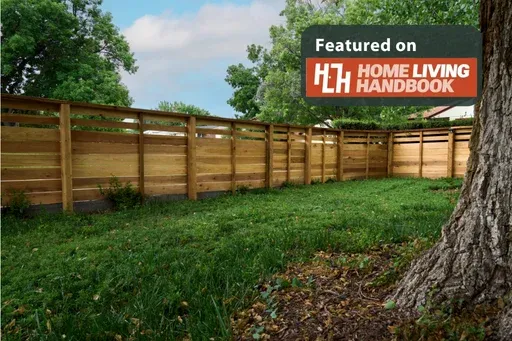
A wood fence can add privacy, character, and structure to an outdoor space, but the longevity of the finished installation depends heavily on the small components holding everything together. In Charleston, coastal moisture, humid air, salt exposure, heavy rainfall, and strong winds can create demanding conditions for screws, nails, hinges, and other fasteners. Understanding where those conditions create the greatest pressure can help guide a more durable fencing strategy. Top Rail Fence Charleston works with local property owners to develop fencing solutions that account for site conditions, materials, layout, and installation requirements.
Why coastal exposure matters to wood fence fasteners
A fastener may be small compared with a fence post or rail, but its role is substantial. Screws and nails secure boards to rails, connect structural components, and help keep gates properly aligned. When those connections begin to deteriorate, movement can spread through surrounding sections of the wood fence.
Coastal environments can make corrosion a particular concern because moisture and airborne salt can reach exposed metal components. The National Oceanic and Atmospheric Administration explains that saltwater environments can accelerate corrosion of metals, making material selection and protection important considerations in coastal construction.
Salt-laden air reaches more than shoreline properties
A Charleston property does not have to sit directly beside the water to experience coastal exposure. Airborne moisture and salt can travel inland, settle on exposed surfaces, and remain around hardware when humidity is high.
For a wood fence, this can create repeated cycles of moisture exposure. Fasteners that are constantly exposed to these conditions may gradually show corrosion, discoloration, or surface deterioration. Choosing appropriate hardware during wood fence installation is therefore part of planning for the environment rather than an afterthought.
Rain can create repeated wetting cycles
Heavy rainfall introduces another challenge. Water can collect around horizontal rails, fastener heads, gate hardware, and joints where different materials meet. When those areas dry slowly, the metal may remain exposed to moisture for extended periods.
A properly planned wood fence should account for how water moves across and around the structure. Installation details that encourage drainage and drying can reduce unnecessary exposure at vulnerable connections.
Find the pressure points before installing the fence
One of the most effective ways to address fastener wear is to identify vulnerable areas before the fence is built. Not every section experiences the same combination of wind, rain, sunlight, vegetation, and moisture.
Site conditions can vary considerably from one side of a property to another, making a standardized approach less effective than a location-specific plan.
Corners concentrate structural connections
Corners are important because rails and other components change direction at these locations. The resulting concentration of connections can make corner posts and their fasteners particularly important to the overall stability of a wood fence.
During wood fence installation, careful alignment and appropriate fastening can help prevent unnecessary movement. A properly constructed corner also gives the surrounding fence sections a more stable foundation.
Gates experience movement as well as weather
Gate sections face a different kind of stress. Hinges, latches, and mounting points are repeatedly moved, while wind can place additional force on a closed gate.
Because of this combination, gate hardware deserves special attention when planning a wood fence in Charleston. A gate that begins to sag or shift can place additional strain on its fasteners, making early inspection especially valuable.
Low-lying areas can stay damp longer
Fence sections positioned near areas with poor drainage can experience more prolonged moisture exposure than sections located on well-drained ground. Water flowing toward the fence can repeatedly wet posts, rails, and fasteners.
Addressing drainage around these locations can support both the wood and hardware. This is an important part of long-term fence maintenance, particularly after periods of heavy rain.
Select fasteners that suit the wood and environment
Fastener selection should be considered alongside the type of wood being installed. A treated wood fence, for example, requires compatible hardware because the chemicals used to protect treated lumber can interact with unsuitable metals.
The objective is to create a connection where the wood and hardware can perform together rather than allowing the fastener to become the first point of failure.
Treated wood does not eliminate hardware concerns
A treated wood fence can offer protection against decay and insects, but the treatment does not mean every type of screw or nail is appropriate. Hardware needs to be compatible with the wood treatment and the environmental conditions surrounding the fence.
Using the right fasteners can help reduce the likelihood of premature corrosion and staining around connection points.
Installation technique affects fastener performance
Even quality hardware can perform poorly when installed incorrectly. Fasteners that are driven too deeply, positioned inaccurately, or installed into compromised wood may create avoidable weaknesses.
Professional wood fence installation pays attention to spacing, alignment, connection depth, and the relationship between individual components. These details can make a meaningful difference in how the completed fence handles everyday exposure.
Design the fence around its most vulnerable sections
A durable wood fence does not necessarily require every section to receive identical treatment. Instead, installation can be planned around areas that experience greater exposure or structural demand.
This may include gates, corners, sections exposed to prevailing winds, areas near irrigation, or portions of the fence located where water drains toward the posts.
Wind exposure can increase connection stress
Charleston's coastal weather can produce strong winds during severe storms. A solid fence can experience substantial pressure when wind moves across its surface.
The resulting force is transferred through boards, rails, posts, and fasteners. This makes structural connections especially important in exposed locations.
A thoughtfully designed wood fence should therefore consider not only how it looks but also how its configuration interacts with wind and the surrounding landscape.
Vegetation can influence moisture around fasteners
Shrubs, vines, and dense landscaping can create shaded areas where fence components dry more slowly. Plants that remain in constant contact with boards or rails may also make inspection more difficult.
Keeping vegetation appropriately managed around a wood fence can improve airflow and make it easier to identify developing hardware problems during routine fence maintenance.
Build maintenance into the life of the fence
Fastener wear is easier to address when it is identified early. Regular inspection can reveal signs such as rust, staining, loose screws, shifting boards, movement around gates, or changes in the alignment of rails.
A new wood fence should be viewed as a long-term investment that benefits from periodic attention rather than a structure that can be ignored after installation.
Look closely after severe weather
Storms can expose weaknesses that are not obvious during normal conditions. After periods of strong wind or heavy rain, inspect gates, corners, posts, and exposed hardware for movement or damage.
This does not require dismantling the fence. A visual inspection can often identify areas that deserve closer attention before a minor issue develops into a larger repair.
Watch for changes around connection points
Discoloration around screws or nails can sometimes indicate moisture exposure or corrosion. Loose boards may signal movement at the fasteners, while a gate that no longer closes evenly may indicate shifting hardware or posts.
Addressing these signs early can make fence maintenance more manageable and help preserve the appearance and function of the entire wood fence.
Choose a wood fence strategy suited to Charleston
Coastal conditions do not mean a wood fence cannot provide years of useful service. They simply make thoughtful planning more important. Hardware selection, drainage, wind exposure, wood compatibility, installation technique, and ongoing inspection all contribute to the long-term performance of the fence.
For homeowners comparing styles and construction approaches, wood fencing options can provide ideas for privacy, security, decorative appeal, and different outdoor layouts. Top Rail Fence notes that its wood fencing is customizable in style and finish, while professional installation considers environmental factors such as wind, moisture, temperature changes, and soil conditions.
The right approach is to identify the areas most likely to experience accelerated wear and address them during the planning stage. A wood fence designed around those pressure points can provide a stronger and more consistent result than one installed without considering the local environment.
For Charleston properties, Top Rail Fence Charleston provides customized fencing solutions designed around individual site conditions and project requirements. The local team considers factors such as coastal weather, terrain, property layout, materials, and installation details when developing fencing solutions.
If you are planning a new wood fence or need help determining how coastal exposure could affect your existing fencing, visit Contact Us to connect with Top Rail Fence Charleston and discuss an installation strategy built around the areas most vulnerable to fastener wear.