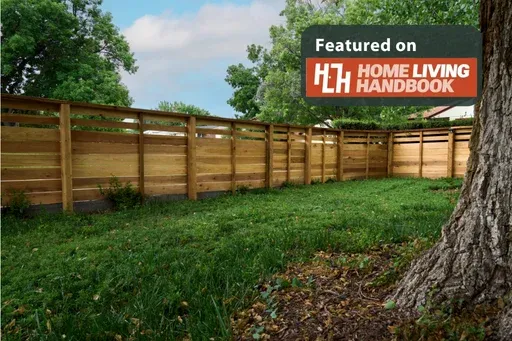
Outdoor spaces rarely function as one large, uniform area. Most properties in Charleston naturally develop smaller zones where people relax, gather, garden, entertain, or simply move from one part of the yard to another. What many homeowners do not realize is that fencing often influences how those spaces feel far more than the landscaping or furniture itself.
A thoughtfully designed wood fence can quietly divide a property into what designers often describe as micro-environments. These are smaller outdoor sections that each carry a different atmosphere, purpose, and level of activity. One area may feel private and calm, while another feels open and social.
This transformation is one reason many homeowners choose Top Rail Fence Charleston when upgrading outdoor spaces. A carefully planned fence changes more than boundaries. It reshapes how the property is experienced every day.
Why outdoor areas rarely serve one single purpose
Different activities require different levels of privacy
Most homeowners use their yards in multiple ways throughout the week. A patio may host guests during the weekend, while another section becomes a quiet morning retreat during the workweek.
Without structure, these activities often compete with one another visually and functionally. Everything feels exposed at once.
A properly designed wood fence helps create separation between spaces so each area can support its intended purpose more effectively.
Open layouts can feel unfinished
Large, uninterrupted yards sometimes appear visually impressive, but they often lack comfort. Without transitions or boundaries, outdoor spaces may feel undefined and difficult to organize.
Strategic fence installation introduces rhythm into the property by creating natural divisions between active and quiet zones.
This is especially important in Charleston, where outdoor living remains a major part of daily life throughout much of the year.
How wood fencing shapes the atmosphere naturally
Texture changes the emotional feel of a yard
Unlike synthetic materials, wood introduces warmth and texture that affect how outdoor spaces are perceived emotionally. Grain patterns, shadows, and natural color variation soften the visual environment and make spaces feel more grounded.
This subtle atmospheric shift is one reason homeowners continue choosing wood fencing for residential properties.
The material itself helps outdoor areas feel more welcoming and less mechanical.
Height and spacing influence comfort levels
Different sections of a fence create different experiences depending on their design. Taller panels may create quiet retreat areas, while semi-open sections encourage visibility and movement between spaces.
Thoughtful wood fence designs allow homeowners to shape how each part of the yard functions without making the property feel closed off completely.
The result is a more intentional outdoor layout where every area serves a purpose.
Creating distinct outdoor zones with fencing
Entertainment areas become more inviting
Patios and gathering spaces often work best when they feel partially enclosed. Guests naturally relax more when seating areas have a sense of definition and separation from neighboring activity.
A professionally planned wood fence installation can help frame entertainment zones while reducing outside distractions.
This creates an outdoor environment that feels more connected and usable during social gatherings.
Quiet spaces gain better separation
Not every outdoor area is designed for activity. Some homeowners want sections of the property dedicated to reading, gardening, or relaxation.
Strategic fencing placement creates subtle transitions between louder and quieter parts of the yard. These smaller micro-environments help homeowners use outdoor spaces more intentionally.
Why wood works especially well for layered outdoor layouts
Natural materials blend more smoothly with landscaping
One advantage of wood fencing is its ability to integrate with plants, trees, and outdoor textures naturally. Instead of competing visually with the environment, wood often becomes part of the landscape itself.
This helps different sections of the yard transition more smoothly from one area to another.
In Charleston, where landscaping frequently plays a major role in curb appeal, this visual softness becomes especially valuable.
Flexible designs support different property styles
Modern and traditional homes can both benefit from customized wood fence designs. Horizontal layouts create cleaner contemporary lines, while classic vertical styles support more traditional architecture.
This flexibility allows homeowners to create micro-environments without sacrificing overall property cohesion.
Experienced teams like Top Rail Fence Charleston help homeowners choose layouts that support both atmosphere and functionality.
How fencing changes movement throughout the property
Pathways begin to feel intentional
Without visual guidance, outdoor movement can feel random. Fencing naturally directs how people travel through a property by framing entrances, pathways, and transitions.
This subtle structure improves how the yard functions on a daily basis.
A carefully planned fence installation helps outdoor areas feel organized rather than scattered.
Smaller spaces often become more usable
One common misconception is that fences make properties feel smaller. In reality, dividing outdoor areas into functional zones often makes the yard feel easier to use.
Clearly defined sections encourage homeowners to spend time in areas that may have previously felt awkward or underutilized.
This is one reason why wood fencing frequently improves both usability and visual balance at the same time.
Why professional installation matters for the outdoor atmosphere
Placement influences more than appearance
A fence that is slightly misaligned or poorly positioned can interrupt how outdoor spaces connect with one another. Fence height, corner placement, and gate positioning all influence how the yard feels once completed.
Professional wood fence installation ensures that the structure supports the natural flow of the property instead of disrupting it.
That level of planning becomes especially important when creating multiple outdoor zones within one yard.
Material quality affects long-term experience
Lower quality materials may warp, fade, or deteriorate unevenly over time. This weakens the visual consistency that makes micro-environments feel intentional in the first place.
Working with Top Rail Fence Charleston helps homeowners create fencing solutions designed to maintain both structure and appearance long term.
According to the Landscape Performance Series, well-designed outdoor environments improve comfort, usability, and overall property experience by creating more organized and functional exterior spaces.
Why homeowners often notice the difference gradually
The fence changes habits without demanding attention
One of the most interesting aspects of wood fencing is how subtly it changes daily routines. Homeowners may not immediately notice the impact, but over time, they begin using different areas of the yard more consistently.
Morning coffee shifts to a quieter corner. Evening conversations stay outdoors longer. Previously unused spaces become functional gathering areas.
The fence quietly influences how the property supports everyday life.
Atmosphere becomes part of the property's identity
Over time, the outdoor layout begins feeling more complete because each section of the yard develops its own purpose and atmosphere.
That transformation is why many homeowners in Charleston view fencing as more than a property divider. A thoughtfully designed wood fence becomes part of how the home itself is experienced.
If you are ready to create outdoor spaces that feel more organized, functional, and comfortable, Contact Us to learn how the right fencing solution can help reshape your property.