A backyard does not always feel complete simply because property lines are marked. In many neighborhoods throughout Charleston, outdoor spaces evolve over time. Patios expand, gardens become gathering areas, and walkways begin connecting different parts of the yard with intention. During that process, a wood fence often shifts from being a basic divider into something that shapes how the entire property functions visually and practically.
Homeowners looking at Top Rail Fence Charleston frequently discover that modern fencing decisions are no longer just about enclosure. The right wood fence installation can frame outdoor living areas, guide movement across the property, and create the same sense of structure that interior walls provide inside a home.
As outdoor living becomes more important across Charleston, fencing increasingly acts like an extension of architecture rather than a background feature.
Creating outdoor rooms without building walls
Defining spaces with natural transitions
One reason a wood fence feels architectural is that it organizes space. Instead of treating the yard as one open area, fencing can divide it into sections with distinct purposes.
A dining area may feel more intimate when enclosed by partial fencing. A garden space may feel calmer when separated from activity zones. Even pathways become more intentional when fencing guides movement naturally from one section of the property to another.
This type of layout planning changes how homeowners experience outdoor environments daily.
Supporting privacy without disconnecting the yard
A carefully planned privacy fence installation can create separation without making the property feel isolated. Fence height, spacing, and placement all influence how open or enclosed a yard feels.
In Charleston, where outdoor entertaining is common for much of the year, homeowners often want privacy while still maintaining a welcoming atmosphere. A thoughtfully designed wood fence installation allows spaces to feel protected while preserving flow between sections of the property.
Why fencing now influences overall property design
Outdoor aesthetics have become more intentional
Backyards are no longer treated as secondary spaces. Homeowners now invest in outdoor kitchens, pergolas, lounge areas, and landscaping features that extend the living experience beyond the home itself.
Because of this shift, the wood fence surrounding those spaces carries more visual responsibility than it once did. Fence lines help establish proportion, symmetry, and structure throughout the property.
Working with Top Rail Fence Charleston often helps homeowners align fencing choices with the style and rhythm of the rest of the landscape.
Materials affect the atmosphere
Different fencing materials create entirely different moods. Natural wood introduces warmth, texture, and softness that many homeowners prefer over industrial-looking alternatives.
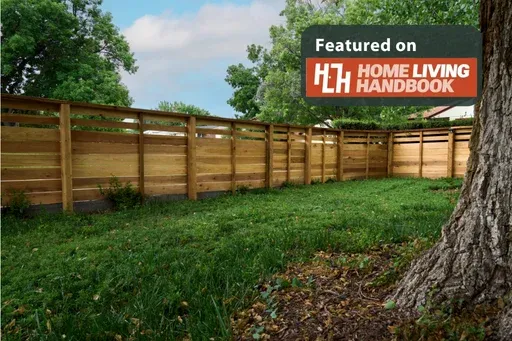
For example, horizontal boards create a more modern appearance, while vertical pickets often support traditional architectural styles common throughout Charleston neighborhoods.
These details influence whether the outdoor space feels relaxed, refined, rustic, or contemporary.
The connection between fencing and movement
Guiding how people interact with the yard
Architecture influences behavior, and outdoor fencing can do the same. A strategically placed wood fence subtly directs where guests walk, gather, or pause.
Instead of random movement across the yard, fencing creates visual cues that organize activity naturally. This becomes especially important for larger properties where multiple outdoor functions exist at once.
Homeowners exploring wood fence installation solutions often prioritize layouts that improve navigation throughout the property without making spaces feel restricted.
Creating rhythm across the landscape
Repeating fence lines, gates, and spacing patterns create rhythm in outdoor environments much like architectural elements inside a home. These repeated visual structures help tie together patios, gardens, decks, and recreational areas.
A well-designed wood fence can visually connect separate parts of the yard into one cohesive experience.
Why natural materials work so well in Charleston
Wood complements coastal and historic surroundings
Many homes throughout Charleston blend traditional Southern architecture with outdoor-focused living. A natural wood fence supports that aesthetic more seamlessly than highly reflective or industrial materials.
Wood adapts well to mature trees, brick pathways, and layered landscaping. It softens boundaries while still creating definition.
This balance helps outdoor spaces feel established and inviting instead of overly manufactured.
Flexibility supports custom layouts
Another advantage of wood fence installation is adaptability. Wood can accommodate curves, elevation changes, decorative tops, gates, and varying panel arrangements.
This flexibility allows fencing to support both architectural structure and personal style preferences simultaneously.
Homeowners working with Top Rail Fence Charleston often use customized layouts to complement the unique dimensions and character of their outdoor spaces.
Fencing influences comfort more than homeowners expect
Psychological comfort changes how spaces are used
People naturally use spaces differently when they feel protected from constant visibility. A properly positioned privacy fence installation creates a stronger sense of ease during everyday activities.
Morning coffee, outdoor dinners, reading areas, and family gatherings often become more frequent once homeowners feel less exposed to neighboring properties or street traffic.
The fence itself may not be the centerpiece of attention, but it quietly changes how comfortable the property feels.
Noise and visual distractions are reduced
A solid wood fence can also reduce visual clutter by blocking distracting views and softening outside activity. While fencing is not a complete sound barrier, it can still help create a calmer environment.
In active residential areas across Charleston, this added sense of separation often becomes one of the most appreciated long-term benefits of quality fence installation.
Architectural fencing requires thoughtful planning
Scale matters more than many realize
Fencing that feels architectural must remain proportional to the property. Oversized fencing can overwhelm a yard, while undersized fencing may fail to create visual structure.
Height, spacing, gate placement, and board orientation should all work together with the home and the surrounding landscape.
This is why professional planning matters before beginning a wood fence installation project.
Long-term durability supports design consistency
Outdoor architecture only works when it maintains structural integrity over time. Warped sections, leaning posts, or uneven panels quickly disrupt the visual balance of the property.
Proper installation techniques and quality materials help preserve both performance and appearance.
For additional insights into how outdoor structures influence residential design, the Architectural Digest platform offers useful perspectives on exterior planning and landscape integration.
A fence can shape the experience of the entire property
A well-planned wood fence does far more than establish a boundary line. It creates transitions, defines outdoor rooms, supports privacy, and influences how homeowners experience their property every day.
As outdoor living continues evolving throughout Charleston, fencing increasingly functions like architecture that happens to exist outdoors instead of indoors.
Whether the goal is improving flow, increasing comfort, or creating stronger visual structure, thoughtful fence installation decisions often reshape the entire atmosphere of a property in subtle but meaningful ways.
If you are planning updates to your outdoor space, Contact Us to learn how Top Rail Fence Charleston can help create a fencing layout that feels integrated, functional, and designed for long-term use.