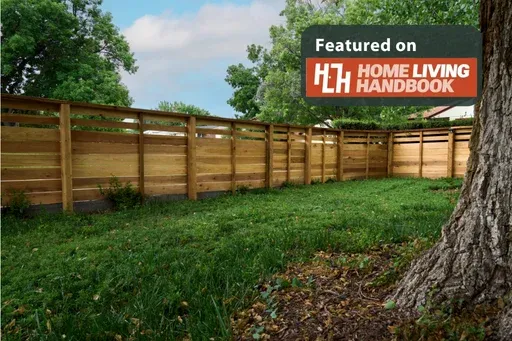
A wood fence can age unevenly, especially in a place like Charleston, where humidity, heavy rainfall, intense sunlight, coastal air, and seasonal storms can affect different sections in different ways. Previous repairs can provide useful clues about where problems are likely to return. Reviewing those patterns allows a new wood fence or an existing fence to be approached with durability in mind rather than treating every section as though it faces identical conditions. Top Rail Fence Charleston can help evaluate fence conditions and develop a practical strategy for installation, replacement, and long-term care.
Start with the fence’s repair history
Previous repairs can reveal more than the age of a wood fence. They can show which boards repeatedly deteriorate, where posts become unstable, and which sections experience greater exposure to moisture or physical stress.
Instead of looking at an old repair as an isolated event, consider it evidence about how the fence interacts with its surroundings.
Recurring repairs reveal vulnerable sections
If the same portion of a wood fence has required replacement several times, there may be an underlying environmental or structural reason. A section positioned beside a downspout, low drainage area, sprinkler zone, or heavily shaded landscape may remain exposed to moisture longer than nearby sections.
Repeated board replacement could also point toward excessive movement, poor airflow, or a connection that places unusual stress on the wood.
Repair records can reveal patterns over time
The timing of repairs can also provide useful information. If damage consistently appears after major storms, wind exposure may be contributing to the problem. If deterioration becomes noticeable after periods of heavy rain, moisture management deserves closer attention.
This type of history gives a wood fence durability plan a stronger foundation because decisions can be based on observed conditions rather than assumptions.
Identify which wood components are most exposed
Different components of a wood fence perform different jobs, and their exposure to the elements varies. Boards may experience direct sunlight and rainfall, while posts deal more heavily with ground contact and surrounding moisture.
Looking at each component separately makes it easier to identify where future problems may develop.
Boards can show early signs of environmental stress
Fence boards are continuously exposed to sunlight, rain, humidity, and changing temperatures. Over time, repeated wetting and drying can contribute to cracking, warping, splitting, and surface deterioration.
Boards positioned beneath dense tree cover may face another challenge because limited sunlight and airflow can slow drying after rainfall.
During wood fence installation, understanding these differences can help determine how individual sections should be positioned and maintained.
Posts face ground-level moisture
Fence posts are particularly important because they transfer loads into the ground while supporting rails and boards. Areas with poor drainage can expose posts to prolonged moisture, potentially contributing to deterioration over time.
A durability-focused installation should consider soil conditions, drainage, grade changes, and the location of existing water flow before posts are placed.
Use past failures to guide new installation decisions
A previous failure does not automatically mean the same problem will occur again. The important question is why that section failed and whether the contributing condition still exists.
A new wood fence can be planned differently when those causes are understood.
Replace weak points instead of copying old layouts
If an older fence experienced repeated problems at a particular location, duplicating its exact configuration may simply recreate the same vulnerability.
A better approach is to evaluate the surrounding conditions and determine whether the fence line, post placement, drainage, or material selection should change.
This is particularly valuable during wood fence installation, when adjustments are easier to make than they would be after construction is complete.
Account for Charleston’s changing weather
Weather can place different demands on a fence throughout the year. Heavy rainfall can saturate surrounding soil, while strong winds can place lateral pressure on boards and posts.
In Charleston, these changing conditions make it useful to consider both everyday exposure and occasional severe weather when planning a wood fence.
Separate cosmetic damage from structural warning signs
Not every imperfection means that an entire fence needs replacement. A thoughtful assessment distinguishes between appearance-related wear and problems that could affect stability.
That distinction can make wood fence repair more targeted and cost-effective.
Surface aging does not always mean structural failure
Fading, minor discoloration, and surface weathering can occur as wood remains outdoors. These signs may affect appearance without necessarily indicating that the underlying structure has failed.
However, widespread cracking, significant splitting, loose connections, or pronounced movement deserve closer attention.
Movement can point toward deeper problems
A leaning post or sagging section can indicate that more than one component needs attention. Replacing a single board may not resolve the issue if the underlying post or rail has shifted.
This is where a repair history becomes especially useful. If the same location continues to move after individual components have been replaced, the broader assembly should be evaluated.
Understanding how moisture affects wood fencing
Moisture is one of the most important factors to consider when evaluating an aging wood fence. Repeated exposure to rainfall, humidity, and damp soil can contribute to swelling, cracking, decay, and changes in the condition of individual fence components. The U.S. Department of Agriculture's Wood Handbook provides detailed information on how moisture affects wood and why proper moisture management is important for outdoor wood applications. Understanding these effects can help identify sections that may need closer inspection or earlier wood fence repair.
Give high-risk sections a different maintenance routine
A wood fence does not necessarily need identical attention from one end to the other. Sections with known exposure or a history of repairs may benefit from more frequent inspections.
This approach turns fence maintenance into a preventive process rather than a response to visible failure.
Inspect after major weather events
Strong storms can expose weak connections, damaged boards, loose posts, and shifted gates. Checking the fence after severe weather can help identify problems before they spread.
Pay particular attention to sections that have required repairs previously because those areas have already demonstrated some form of vulnerability.
Watch areas affected by water
Downspouts, irrigation systems, drainage channels, and naturally low areas can change the moisture conditions around a fence.
If a particular section repeatedly shows premature deterioration, look beyond the damaged board. The surrounding water flow may be contributing to the recurring issue.
Build a repair priority map
Once previous repairs and current conditions have been reviewed, the fence can be divided into areas according to risk. This creates a practical roadmap for future wood fence repair and fence maintenance.
Mark sections with repeated failures
A section repaired several times should receive closer attention than one that has remained stable. Documenting these areas creates a simple reference for future inspections.
Patterns may emerge around corners, gates, low areas, shaded sections, or locations exposed to strong winds.
Monitor stable areas too
A durability plan should not ignore sections that have performed well. Stable areas can provide useful comparisons against vulnerable sections.
If one portion of a wood fence remains in good condition while another deteriorates quickly, differences in drainage, sunlight, airflow, landscaping, or exposure may help explain why.
Choose repair strategies based on the cause
Effective wood fence repair should address the reason for deterioration whenever possible. Replacing damaged material without correcting the underlying condition may only postpone another repair.
For example, a damaged board beside a leaking irrigation line may continue to deteriorate if the water source remains unchanged.
Match repairs to the affected component
Individual boards can sometimes be replaced without disturbing the surrounding structure. A compromised rail, however, may require a broader repair because it supports multiple boards.
Posts deserve particular attention because their condition can influence the stability of an entire fence run.
Know when replacement makes more sense
Repeated repairs can eventually become less practical than replacing a larger section. When multiple boards, rails, or posts have deteriorated together, rebuilding the affected portion may provide a more consistent result.
Exploring wood fencing solutions can help when deciding whether an existing section should be repaired, redesigned, or replaced.
Turn repair history into a long-term plan
The most useful repair history is not simply a list of what was replaced. It is a record of where the wood fence has struggled and what environmental or structural conditions may have contributed.
For Charleston properties, that information can support better decisions about material selection, installation, drainage, exposure, and future fence maintenance.
A durability plan might identify certain sections for regular inspection, others for occasional observation, and high-risk areas for early intervention. This creates a proactive approach that can help prevent small defects from becoming larger structural problems.
Build for the sections most likely to fail first
A durable wood fence starts with understanding that different parts of the installation experience different conditions. Past repairs can reveal recurring vulnerabilities, while current site conditions can explain why those vulnerabilities exist.
By examining damaged boards, unstable posts, recurring repairs, drainage patterns, weather exposure, and high-use areas, it becomes possible to create a more informed approach to wood fence installation and ongoing care.
Top Rail Fence Charleston can help property owners evaluate these considerations when planning a new fence or addressing an aging installation. A site-specific approach can make it easier to determine which sections require additional attention and which can continue performing with routine fence maintenance.
If your Charleston fence has a history of recurring repairs, visit Contact Us to speak with Top Rail Fence Charleston about a wood fence solution built around the sections most likely to experience future wear.