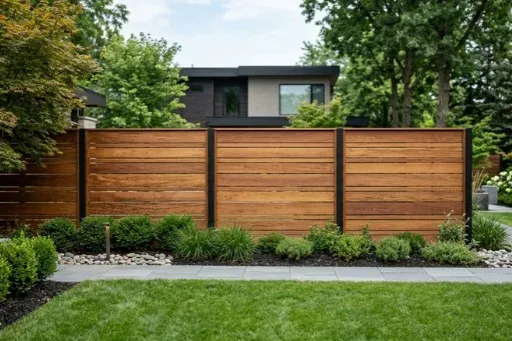
A commercial fence does more than mark the edge of a business property. It can influence how customers recognize a storefront, how visitors approach the entrance, and how the entire premises looks from the street. In Clearwater, FL, where businesses may compete for attention along busy roads, shopping areas, and commercial districts, fencing can become a visible part of the brand experience rather than an overlooked security feature.
A thoughtfully planned commercial fence can reinforce a company's image before customers even enter the building. A modern office might benefit from clean lines and understated materials, while a restaurant, retail store, or hospitality property may need a boundary that complements its exterior architecture. Top Rail Fence Clearwater helps businesses consider how fencing can support the appearance, organization, and practical needs of their premises.
Turn the property boundary into a recognizable design feature
A storefront communicates through several visual elements, including signage, landscaping, exterior finishes, lighting, and entrances. A commercial fence should work alongside these features instead of competing with them.
Establish a consistent visual language
Start by examining the building's existing architectural details. Look at the exterior colors, window frames, entry doors, signage, and decorative materials. These features can help determine which fence style will feel appropriate.
For example, a contemporary office building with dark window frames may pair well with a streamlined metal fence in a matching finish. A retail property with traditional architectural details might benefit from a more decorative design with defined posts and coordinated gates.
Consistency is important because customers form impressions from the overall appearance of a business. When the fence, building, and surrounding features share a visual direction, the property can feel more professionally presented.
Make the entrance easy to recognize
The main entrance should remain the most noticeable point of arrival. Fence sections can guide visitors toward the correct access point without creating confusion about where to enter.
A well-positioned pedestrian gate can distinguish customer access from employee or service entrances. For businesses with vehicle traffic, separate access points can also help organize movement across the premises.
The objective is to make the boundary useful while keeping the storefront welcoming and easy to navigate.
Choose a commercial fence design that reflects the business
Different businesses communicate different expectations. A professional office, restaurant, automotive facility, and shopping center will not necessarily benefit from the same appearance. The right commercial fence design should reflect the property's purpose and the experience the business wants to create.
Use clean lines for contemporary storefronts
Horizontal or simple vertical metal elements can complement modern commercial architecture. Their restrained appearance works particularly well when the building already features strong geometric shapes, glass surfaces, or minimalist exterior finishes.
A consistent post arrangement and coordinated gate hardware can make the entire installation appear intentional. Neutral finishes can also help the fence complement the building without drawing attention away from signage or displays.
Add definition to properties with landscaped frontage
Businesses with planted entrances, decorative trees, or outdoor seating can use fencing to establish a clear boundary around these features. An open design may preserve visibility while giving landscaped areas a more organized appearance.
For example, a restaurant could use a decorative perimeter fence to distinguish its outdoor dining area from a parking lot or pedestrian route. A retail storefront could use a coordinated enclosure to protect display landscaping without making the entrance feel hidden.
Coordinate gates with the rest of the structure
Gates should not look like unrelated additions. Their materials, finish, height, and design details should complement the surrounding fence sections.
Consider how customers, employees, delivery drivers, and maintenance personnel will use each gate. A customer entrance may need a different configuration from a service access point, but both should contribute to a consistent overall appearance.
Balance customer appeal with the practical demands of business operations
A visually attractive commercial fence must also work under everyday operating conditions. Businesses need to consider how people, vehicles, equipment, and deliveries move around the property.
Separate public and restricted areas
Some commercial premises contain spaces that should remain accessible only to authorized personnel. These may include equipment storage areas, utility installations, loading zones, waste collection points, and employee parking.
Fencing can establish clear divisions between public-facing spaces and operational areas. A consistent design across the property helps maintain a professional appearance, even when different sections serve separate purposes.
Plan for visibility and customer movement
A fence that blocks important storefront features or creates difficult entry routes can work against the business. Before approving a layout, consider how the structure will affect visibility from nearby roads, sidewalks, parking spaces, and neighboring businesses.
An open fence may be appropriate where customers need to see the building, signage, or landscaped frontage. More enclosed sections may be suitable for storage or service areas where screening is a priority.
The layout should also account for accessible routes, pedestrian circulation, vehicle turning areas, and emergency access requirements.
Make material choices that support the property's image
Material selection affects the appearance, durability, maintenance needs, and overall cost of a commercial fence. The right choice depends on the business environment, the desired design, and the conditions surrounding the premises.
Consider metal for a defined professional appearance
Aluminum and steel are common options for commercial fencing. Aluminum offers a relatively lightweight structure and resistance to rust, making it useful for businesses seeking a low-maintenance boundary. Steel provides greater strength for applications where additional structural protection is important, although its protective finish requires appropriate care.
Both materials can support different styles, from understated perimeter boundaries to more decorative storefront designs.
Evaluate maintenance before selecting a finish
A fence is part of the property's exterior presentation, so its condition can influence how customers perceive the business. Faded coatings, corrosion, loose components, and damaged gates can make an otherwise attractive storefront look neglected.
Consider how much maintenance the business can reasonably accommodate. The selected finish should suit the exposure conditions and the property's appearance requirements. Routine inspections and timely repairs can help preserve the structure over time.
Businesses comparing available materials and styles can review commercial metal fencing options to understand how different designs can contribute to a professional property boundary.
Approach commercial fence installation as a property-wide project
A successful commercial fence installation requires more than choosing an attractive product. The proposed layout must account for the building, access points, ground conditions, and the way the business operates.
Map the areas that need boundaries
Identify the sections requiring customer access, employee access, vehicle entry, screening, or restricted access. This makes it easier to determine where gates, fence panels, and transitions should be positioned.
A site plan can also reveal potential conflicts with parking spaces, walkways, drainage features, landscaping, and existing structures. Addressing these details before construction helps reduce unnecessary changes during installation.
Review local requirements and site conditions
Commercial fencing may be subject to local rules involving height, placement, visibility near driveways, property lines, and permitted materials. Businesses should confirm applicable requirements before construction begins.
The City of Clearwater's planning and development resources provide a useful starting point for reviewing local development information. The specific requirements for a project should still be confirmed with the appropriate city department.
Ground conditions also matter. Soil composition, slopes, drainage patterns, and underground utilities can influence post placement and foundation requirements. A professional site assessment helps establish a suitable installation approach.
Know when fence replacement can improve the storefront
An existing boundary may no longer reflect the quality or direction of the business. Damaged panels, outdated styles, deteriorating finishes, and poorly positioned gates can affect both appearance and daily operations.
Identify signs that the existing fence needs attention
Look for leaning posts, loose connections, corrosion, damaged sections, difficult gate operation, and inconsistent repairs. These issues may indicate that individual repairs are no longer sufficient.
The decision to pursue fence replacement should also consider whether the current layout still serves the business. A growing company may need separate pedestrian and vehicle entrances, while a renovated storefront may require a more coordinated exterior design.
Treat replacement as an opportunity to refresh the property
Replacing an old fence provides an opportunity to reconsider the entire boundary. The business may benefit from a different material, updated finish, improved access arrangement, or design that better complements recent exterior improvements.
Rather than simply reproducing the previous layout, evaluate what has changed around the property. New landscaping, updated signage, additional parking, or changes in customer movement may justify a different configuration.
Let the fence contribute to the business experience
A well-designed commercial fence can make a storefront easier to recognize, guide visitors toward the entrance, organize operational spaces, and create a more consistent exterior appearance. Its value comes from bringing these functions together without allowing the boundary to overwhelm the building or its surroundings.
Top Rail Fence Clearwater can help businesses evaluate materials, layouts, and design possibilities that suit their commercial properties. Whether you are planning a new commercial fence installation or considering fence replacement, the right approach should reflect your brand presentation and everyday operational needs. Contact Top Rail Fence Clearwater through the Contact Us page to discuss a fencing project that gives your business a more distinctive and professionally finished storefront.