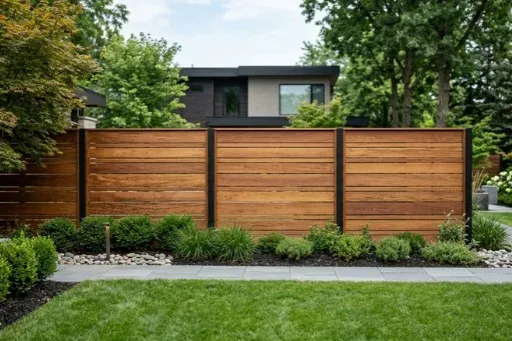
A backyard can become much more expressive when its boundaries contribute to the overall landscape design. Instead of leaving a long fence line as an empty backdrop, consider how it could showcase colorful plants, decorative artwork, and carefully arranged outdoor features. In Clearwater, FL, where outdoor spaces can be enjoyed throughout much of the year, privacy fencing offers an opportunity to create a more comfortable and visually appealing setting. Explore the possibilities with Top Rail Fence Clearwater and discover how the right fence can support both privacy and creative landscaping.
A solid fence can provide a consistent background for climbing greenery, sculptural accents, painted decorations, and outdoor lighting. Its surface also helps establish visual order when different colors and textures appear throughout the yard. Rather than treating the fence as a separate construction feature, think of it as one of the main elements in your garden composition. The right combination of materials, planting arrangements, and decorative details can turn an ordinary backyard boundary into a feature worth noticing.
Give blank fence panels a decorative purpose
An uninterrupted fence surface creates an opportunity to introduce artwork without competing with too many surrounding details. The size, color, and placement of decorative elements should complement the fence rather than overwhelm it.
Create an outdoor gallery with weather-resistant artwork
Outdoor artwork can introduce personality to a backyard without requiring major landscaping changes. Metal wall sculptures, ceramic decorations, weather-resistant panels, and decorative garden signs can all add visual interest to a privacy fence.
Consider arranging artwork in small groupings rather than spreading decorations randomly across the entire fence. For example, a large metal sculpture could serve as the focal point above a seating area, while smaller decorative pieces add character near a garden entrance.
Material selection matters in Clearwater, where outdoor decorations are exposed to humidity, rainfall, and strong sunlight. Choose finishes designed for exterior conditions, and use suitable mounting hardware to prevent decorations from becoming loose during changing weather.
Use color to connect artwork with the surroundings
A decorative feature becomes more effective when its colors relate to the rest of the backyard. A painted panel featuring blue, green, or sandy tones can complement a coastal-inspired outdoor space, while natural wood decorations may work well alongside tropical planting.
You can also introduce color through the fence itself. A suitable stain or exterior finish can establish a consistent background for artwork and greenery. Before making changes, confirm that the selected coating is compatible with the fence material and intended maintenance requirements.
Turn the fence line into a layered garden
Plants can soften the appearance of a solid fence and introduce movement into an otherwise flat landscape. However, the arrangement should be planned carefully so the greenery enhances the boundary rather than concealing every decorative feature.
Combine different plant heights for visual depth
A garden bed placed along a fence does not need to consist of one continuous row of identical shrubs. Mixing plants with different heights, leaf shapes, and growth patterns creates a more natural appearance.
For example, taller shrubs can provide a green backdrop, medium-sized flowering plants can introduce seasonal color, and lower-growing groundcovers can fill the front of the planting bed. This layered arrangement gives the fence line more dimension while allowing individual plants to remain visible.
Choose plants according to the amount of sunlight, soil conditions, available space, and expected mature size. This is particularly important when planting close to a fence, where limited growing room can affect long-term development.
Introduce climbing greenery without sacrificing artwork
Climbing plants can add texture and soften sections of a solid fence. However, allowing vines to cover every panel may hide the artwork or decorative features you intended to display.
Instead, reserve selected sections for climbing greenery and leave other areas open for sculptures, wall-mounted planters, or decorative panels. A separate trellis positioned in front of the fence can also support climbing plants without requiring them to attach directly to the fence structure.
Consider the plant's growth habits before selecting it. Some vines spread aggressively or become difficult to control, so regular pruning and suitable support structures are important.
Build planting beds that complement the fence
Raised garden beds and narrow planting borders can create a defined transition between the fence and the rest of the backyard. Their materials should complement the fence finish and surrounding outdoor features.
A natural wood border may work with a traditional privacy fence, while stone or masonry edging can create a more structured appearance. Keep sufficient space between plants and fence panels for airflow, cleaning, inspections, and future repairs.
The arrangement should also account for irrigation. Watering systems need to reach the planting beds without creating unnecessary moisture exposure around fence posts or other structural components.
Explore creative fence designs that suit your backyard
The fence material and panel arrangement influence how easily artwork and planting can become part of the landscape. Some fence designs offer broad surfaces for decorative displays, while others introduce architectural details that can work alongside garden features.
Choose wood panels for a natural artistic backdrop
Wood fencing provides a warm appearance that can complement flowering plants, hanging decorations, and outdoor furniture. Its surface can also accommodate suitable exterior artwork, provided the mounting method does not compromise the boards.
Horizontal boards can create a contemporary background, while vertical arrangements offer a more traditional appearance. Board-on-board and other privacy styles can also introduce subtle changes in texture.
Wood requires appropriate maintenance to protect it from moisture, sunlight, and deterioration. Periodic inspections, cleaning, and suitable protective treatments help preserve its appearance.
Consider vinyl for a clean decorative surface
Vinyl privacy fencing offers a consistent finish that can provide a simple backdrop for colorful flowers and outdoor decorations. Its smooth panels can help create a neat visual setting, particularly in contemporary backyard layouts.
White vinyl can contrast with darker foliage, while other available colors may complement the home's exterior. Vinyl is also relatively easy to clean, making it an option worth considering for people who want an attractive boundary without regular staining or painting.
Use decorative details to establish focal points
A fence does not need to look identical from one end to the other to create a coordinated design. Decorative post caps, contrasting panel arrangements, and customized gate details can introduce visual interest.
For instance, a decorative gate could mark the entrance to a garden area, while a contrasting panel section could frame an outdoor sculpture. These details help organize the backyard into distinct spaces without making the overall landscape feel disconnected.
When comparing privacy fencing styles and materials, consider how each option will interact with your artwork, planting beds, and outdoor furniture. The objective is to select a design that accommodates your creative ideas while maintaining the privacy and boundary definition you need.
Make the landscape work with Clearwater's outdoor conditions
Creative landscaping needs to account for the local environment. In Clearwater, FL, sunlight, humidity, rainfall, and seasonal weather can influence both plant health and the condition of outdoor materials.
Select plants according to available sunlight
A fence can create shaded areas that differ significantly from the conditions found in the middle of an open lawn. Before choosing flowers or shrubs, observe how sunlight moves across the planting area throughout the day.
Plants that thrive in full sun may struggle along a heavily shaded fence, while some shade-tolerant varieties may perform poorly in areas receiving prolonged direct sunlight.
The University of Florida's Florida-Friendly Landscaping Pattern Book provides useful guidance on selecting plants for different landscape conditions, including fence-line planting. It also explains how plant height, foliage density, and growth habits can influence screening and the appearance of outdoor boundaries.
Protect decorative features from moisture and heat
Outdoor artwork, lighting fixtures, and decorative accessories need materials suitable for prolonged exposure. Rust-resistant metal, properly sealed wood, and exterior-rated mounting hardware can help reduce premature deterioration.
Also consider how water drains around the fence. Planting beds should not direct excessive moisture toward posts or encourage standing water near the structure. Proper drainage and appropriate irrigation placement can help protect both the landscaping and the fence.
Leave room for pruning and fence maintenance
A beautifully planted backyard should remain practical to maintain. Shrubs that grow too close to fence panels can make cleaning, painting, inspections, and repairs difficult.
Allow enough clearance for pruning equipment and maintenance access. Also consider how large plants will become over time rather than arranging them according to their current nursery size.
Coordinate privacy fence installation with the garden layout
The best time to consider artwork, planting beds, and decorative features is before the fence project is complete. Planning these elements together can prevent unnecessary adjustments after installation.
Establish the position of garden features first
Mark where you want seating areas, flower beds, decorative displays, and outdoor walkways before finalizing the fence layout. This helps determine which sections need uninterrupted panels and which areas could accommodate gates or additional design features.
It also allows the installation team to consider property boundaries, changes in ground elevation, underground utilities, and access requirements. These details influence the final layout and the positioning of fence posts.
Select panel heights and finishes with the landscape in mind
A taller fence may provide greater screening, but its appearance should still suit the scale of the backyard. Similarly, the selected finish should complement the home's exterior, garden furniture, and surrounding plants.
Think about the view from different positions, including the patio, windows, and outdoor seating areas. The finished fence should provide a pleasant backdrop from the places where you spend the most time.
Arrange professional installation before adding permanent decorations
Proper privacy fence installation helps establish a stable foundation for the landscaping plans that follow. Accurate measurements, suitable post placement, and appropriate materials all contribute to the fence's long-term performance.
Top Rail Fence Clearwater can help evaluate the property's layout, compare suitable fencing options, and plan an installation that accommodates your privacy requirements. Discussing these details before construction makes it easier to account for future planting beds, decorative displays, and access points.
Create a backyard boundary that reflects your style
A privacy fence can contribute much more than separation from neighboring properties. With thoughtfully selected artwork, layered greenery, coordinated materials, and well-positioned decorative features, it can become an important part of your backyard's overall design. Whether you prefer a colorful garden retreat, a contemporary outdoor gallery, or a natural landscape filled with tropical planting, the right privacy fencing can help bring the different elements together.
Top Rail Fence Clearwater can help you explore suitable materials, attractive fence designs, and practical installation options for your outdoor space. If you are considering a new backyard fence or planning to improve an existing landscape, visit the Contact Us page to discuss your project and request an estimate.