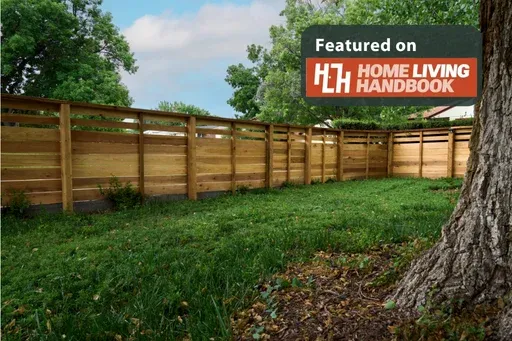
A fence can establish a clear property edge without making the yard feel disconnected from the home. In Danbury, where residential properties can have different architectural styles, lot shapes, landscaping layouts, and outdoor uses, a wood fence can offer the flexibility needed to create a boundary that still feels connected to the property. For locally focused planning, Top Rail Fence Danbury can help homeowners consider a fence design that fits the property's appearance, practical needs, and existing landscape.
Where wood fencing fits naturally into a property
The strongest reason to consider a wood fence is its ability to adapt visually. Wood can look established and traditional around an older-style home, while a simpler profile can work with a more contemporary exterior.
Unlike a boundary that feels purely functional, wood can contribute to the character of the entire yard. Its texture, proportions, spacing, and finish can all influence how the finished property looks from the street, driveway, patio, or neighboring yard.
Connecting the fence with the home
A fence does not have to compete with the architecture. Instead, its design can echo details that already exist around the property.
For example, a home with traditional trim may work well with a more conventional vertical board design. A property with cleaner architectural lines could accommodate a horizontal layout or a simpler capped profile.
This makes the material especially useful when the goal is to create a defined boundary while keeping the fence visually compatible with the home.
Working with existing landscape features
A yard rarely consists of an empty rectangle. Mature trees, garden beds, slopes, walkways, sheds, patios, and planting areas can all affect where a fence should run.
A wood fence can be configured around many of these elements, allowing the boundary to follow the property's existing organization rather than forcing the landscape to conform to a rigid layout.
Choosing a wood fence style that matches the property's personality
The appearance of a fence can change significantly depending on its construction. Wood fence styles can range from open designs that provide a lighter visual boundary to more substantial configurations intended to create greater separation.
The right choice depends on what the fence needs to accomplish as well as how prominent the homeowner wants it to be.
Open designs for a lighter boundary
A more open wood design can define the edge of a property without visually closing off the yard.
This approach can be useful when the homeowner wants a clear boundary around a front or side yard but still wants landscaping, architecture, or views to remain visible.
Picket-inspired layouts can also introduce a traditional residential appearance while providing a recognizable transition between private space and neighboring areas.
More substantial designs for stronger separation
A taller or more closely spaced design creates a stronger visual presence. This can be useful around backyards, patios, pools, gardens, or areas where the homeowner wants the outdoor space to feel more distinct.
However, greater coverage does not automatically make a fence a better choice. The proportions should still make sense for the yard and surrounding structures.
A well-planned wood fence installation can provide substantial separation without making the property appear unnecessarily enclosed.
Letting the boundary follow the way the yard works
The best fence line is not always the shortest line between two corners. Outdoor spaces have circulation patterns, activity zones, and access requirements that should be considered before fence installation begins.
A fence might need to separate a play area from a driveway, define a garden, enclose a backyard, or create a transition between a patio and the rest of the property.
Keeping movement straightforward
Gate placement can have a major effect on how practical the finished fence becomes.
A gate positioned near an existing walkway may make daily access easier, while a wider opening can provide a more convenient route for lawn equipment, deliveries, or larger outdoor items.
The fence layout should therefore be considered as a complete system rather than simply a row of panels.
Preserving useful outdoor areas
A fence should not unnecessarily consume space that could otherwise be used for planting, seating, recreation, or maintenance.
During planning, it helps to look at how the yard is currently used and how that use may change. A carefully positioned wood fence can divide the property into functional areas without making the landscape feel fragmented.
Using wood to reinforce the property's visual identity
Material choice can affect how a fence ages visually alongside a home. Wood has a natural texture that can complement stone, brick, siding, landscaping, and other exterior materials.
That flexibility also gives homeowners room to make decisions about the fence's visual weight.
Creating contrast without overpowering the home
A fence can stand out slightly from the house while still supporting its overall appearance. For instance, a natural wood tone may add warmth against a cooler exterior, while a painted or stained finish can create a more coordinated look.
The objective is not necessarily to make the fence disappear. It is to make its presence feel intentional.
Using details to add definition
Small construction details can influence the finished appearance. Post proportions, caps, board orientation, spacing, trim, and gate design can all change how a wood fence is perceived.
These details can be particularly useful when a homeowner wants the boundary to have some visual distinction rather than looking like a generic enclosure.
Accounting for Danbury's property conditions
Every wood fence installation needs to account for the property where it will be built. Grade changes, drainage patterns, existing vegetation, driveways, neighboring structures, and property boundaries can all affect the final layout.
Danbury's zoning regulations cover district requirements and other land-use considerations, so reviewing the applicable requirements before construction is an important part of project planning.
Adjusting the design to changes in grade
A sloped yard can create challenges when a fence is expected to maintain a consistent appearance.
Depending on the property, the fence may need to step with the terrain or follow the grade more gradually. Either approach can affect panel proportions and the way the fence appears from different parts of the yard.
A thoughtful layout can prevent abrupt transitions from becoming the most noticeable feature of the installation.
Working around trees and planting
Existing trees can be an important part of a property's character. Removing or heavily altering established landscaping simply to accommodate a fence may not be desirable.
Instead, the fence line can sometimes be planned around these features where appropriate. This can preserve the mature appearance of the landscape while still establishing the desired boundary.
The American Fence Association has also highlighted wood projects that incorporate changing terrain, landscaping, and customized construction details, demonstrating how wood fencing can be adapted to individual site conditions.
Making the fence feel like part of the property
A successful wood fence should look as though it belongs where it has been installed. That does not mean it needs to match every exterior feature exactly. It means the scale, configuration, and finish should make sense alongside the surrounding property.
This is where thoughtful wood fence styles can make a noticeable difference.
A simpler fence may work better when the home already has strong architectural features. Conversely, a property with a relatively understated exterior may benefit from additional fence detailing that gives the landscape more definition.
For homeowners considering different materials and configurations, exploring wood fencing options can provide another way to compare how a boundary might work with the property's overall design.
Building around long-term use rather than appearance alone
A fence may look appropriate when first installed, but its success ultimately depends on how well it supports everyday use.
Think about where children and pets move, where outdoor furniture sits, how landscaping will grow, and where maintenance equipment needs to pass. These considerations can influence the ideal fence height, gate locations, panel arrangement, and overall footprint.
Planning for future landscape changes
Garden beds may expand, trees may mature, and outdoor spaces may be redesigned. Leaving sensible access and considering how the landscape could evolve can make the fence more useful over time.
This forward-looking approach can also reduce the likelihood that a later landscaping project will conflict with the original fence installation.
Balancing character with practical performance
A decorative fence still needs to perform its basic function. Posts must be appropriately positioned, panels need consistent alignment, and gates should operate properly.
Professional planning can help connect the aesthetic decisions with the construction requirements so that the finished wood fence is both attractive and functional.
Creating a boundary that does not erase the property's character
A fence should define where one property ends without necessarily becoming the dominant feature of the landscape. For a Danbury property with an established architectural style, mature landscaping, or carefully arranged outdoor spaces, wood can offer the flexibility needed to strike that balance.
Top Rail Fence Danbury can help homeowners evaluate the relationship between fence layout, material, property use, and visual character. The goal is a wood fence that gives the yard a stronger sense of definition while still feeling like a natural part of the property.
If you're ready to discuss your project, Contact Us can provide a starting point for planning your wood fence installation. With the right wood fence styles, placement, and construction approach, a defined boundary can add structure to a Danbury property without taking away from what already makes it distinctive. Top Rail Fence Danbury can help turn that balance into a practical fencing solution.