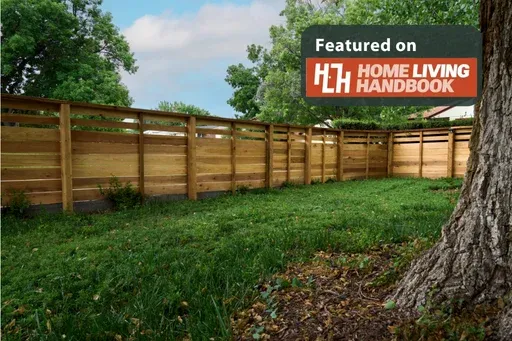
A driveway naturally serves a practical purpose, while a backyard patio, garden, or outdoor entertaining area is designed for a very different experience. When those spaces flow directly into one another, the transition can feel unfinished. For homeowners in Danbury, a carefully planned wood fence can establish a natural stopping point between vehicle areas and outdoor living spaces without making the property feel divided. Top Rail Fence Danbury can help homeowners develop a fence layout that follows the property's existing features while creating a more intentional transition from the driveway into the yard.
Use the fence to define where the driveway ends
A driveway does not always have a clearly defined visual endpoint. Without some form of boundary, pavement can appear to continue directly into a lawn, patio, or side yard.
A wood fence can establish that distinction. Rather than functioning only as a perimeter barrier, the fence can visually signal that the practical driveway zone has ended and the outdoor living portion of the property begins.
Create a visual pause between different surfaces
Driveways commonly feature asphalt, concrete, or pavers, while outdoor living areas may contain grass, stone, decking, or planting beds. These materials can look disconnected when there is no transition between them.
A wood boundary introduces another layer that helps separate the surfaces. The fence can act as a visual pause, allowing the driveway and backyard to maintain their individual identities.
Give the outdoor area a stronger sense of arrival
A transition does not have to involve a gate or complete enclosure. Even a short run of wood fencing can frame the entrance to a patio, garden, or backyard.
This can make the outdoor area feel more deliberate, particularly when the fence aligns with an existing walkway or landscaping feature.
Choose a fence layout that follows the property's movement
A driveway influences how vehicles move onto and around a property. Pedestrians may also use the same area to reach the front entrance, garage, side yard, or backyard.
The fence should support these movements rather than interfere with them. During wood fence installation, the placement of posts, panels, corners, and gates should be considered in relation to the property's established circulation.
Keep vehicle access unobstructed
A fence positioned too close to the driveway can reduce maneuvering room or make entering and exiting a garage less convenient.
Before wood fence installation, the available clearance around vehicles should be considered. The boundary can then be positioned far enough away to preserve practical access while still creating a noticeable transition.
Guide pedestrians toward the right entrance
A driveway may also function as a walking route. If the backyard or side entrance is accessible from the driveway, fencing can help direct foot traffic toward a specific gate or pathway.
This can make the property easier to navigate without requiring a continuous fence around every part of the yard.
Select wood fence designs that suit the transition
Not every driveway-to-yard connection needs the same style. Wood fence designs can range from open layouts that emphasize definition to more solid configurations that provide stronger separation.
The right choice depends on how much visibility homeowners want to preserve and how prominent the driveway is from the outdoor living area.
Use open designs where visibility is valuable
An open wood fence can define the boundary while allowing the driveway and landscaping to remain visible.
This can be useful when homeowners want a clear visual separation without making the side of the property feel enclosed. Open designs can also work well when attractive landscaping surrounds the driveway.
Choose solid sections for greater separation
A more substantial fence may be appropriate when the driveway is highly visible from a patio or seating area.
A solid configuration can reduce views of parked vehicles and driveway activity, helping the outdoor living space feel more detached from the practical side of the property.
Make fence boards part of the overall visual transition
The arrangement of fence boards can influence how the finished boundary relates to the driveway and surrounding landscape. Their orientation, spacing, height, and finish all contribute to the character of the fence.
Vertical boards can emphasize height and create a traditional appearance, while horizontal arrangements can introduce a more contemporary visual direction.
Align the boards with nearby structures
The fence can look more cohesive when its design relates to existing elements such as the garage, deck, porch, retaining wall, or exterior siding.
Matching every detail is not necessary. Instead, repeating a similar direction, texture, or finish can help the new wood fence feel connected to the rest of the property.
Use spacing to control the sense of openness
The space between fence boards can determine how much of the driveway remains visible.
Tighter spacing provides a stronger visual barrier, while wider spacing allows more light and visibility through the boundary. This gives homeowners another way to control the transition without relying solely on fence height.
Let landscaping soften the boundary
A fence does not have to stand alone. Plants can help connect the driveway with the outdoor living area and make the transition feel more natural.
Shrubs, ornamental grasses, flowering plants, and groundcover can be positioned near the fence to soften its edges. This approach can be particularly effective when the driveway already has established landscaping nearby.
Frame the fence with planting beds
A narrow planting bed along a wood fence can soften the line between pavement and fencing. Plants can also introduce seasonal color and texture that keeps the boundary from appearing too rigid.
The planting strategy should leave enough clearance for fence maintenance and avoid placing aggressive roots directly against structural components.
Connect driveway landscaping with backyard planting
Repeating a few plant varieties on both sides of the transition can create continuity. A plant that appears beside the driveway can reappear near the patio or garden, visually connecting the separate spaces.
This allows the fence to establish the boundary while the landscape maintains a sense of flow.
Use gates where the driveway and yard need a connection
A gate can make the transition more functional when homeowners regularly move between the driveway and backyard.
The gate should be positioned according to how the property is actually used. A pedestrian opening near a walkway may be enough for daily access, while a wider gate could be necessary for lawn equipment, trailers, bicycles, or larger outdoor items.
Give the gate enough clearance
A gate should open fully without hitting a vehicle, retaining wall, planting bed, or other structure. The swing direction also needs to work with the available space.
A properly planned wood fence installation accounts for these details before the fence is constructed.
According to This Old House's guide to building a custom fence gate, gate location, opening size, property lines, hardware, and structural support should all be considered during planning.
Make the gate match the surrounding fence
A gate that looks unrelated to the rest of the fence can interrupt an otherwise cohesive design. Matching the fence boards, posts, and overall style can make the entrance feel like a natural continuation of the boundary.
Consider the driveway's shape before choosing the fence line
Not every driveway is straight. Some properties have curved driveways, sloped approaches, multiple parking areas, or driveways that widen near the garage.
The fence should respond to these characteristics rather than forcing an artificial straight line across the property.
Follow curves when they improve the landscape
A gently adjusted fence line can complement a curved driveway or walkway. This can make the transition feel more organic while creating opportunities for landscaping along the boundary.
Account for changes in grade
Sloping ground can affect how fence panels meet one another. A carefully planned wood fence can follow the property's grade while maintaining a consistent appearance.
This is especially important when the driveway and backyard sit at different elevations.
Protect the outdoor living area from driveway activity
A driveway naturally brings movement to a property. Cars arrive, doors open, deliveries occur, and equipment may be moved around.
A wood fence can create a buffer between those activities and spaces where homeowners relax.
Reduce the visual presence of parked vehicles
When a patio overlooks the driveway, parked cars can become a dominant part of the view. A strategically positioned fence can interrupt that sightline without requiring the entire property to be enclosed.
The result can be a more focused outdoor setting where attention shifts toward landscaping, seating, and other backyard features.
Establish a calmer edge around patios
The fence can also create a stronger edge around an outdoor living area. Instead of having the patio directly meet the driveway, the boundary gives the space a more defined perimeter.
For homeowners who use their yards for dining, entertaining, or relaxing, that distinction can make the outdoor area feel more complete.
Think about maintenance from the beginning
Wood requires appropriate care to maintain its appearance and performance. Exposure to moisture, sunlight, dirt, and changing weather conditions can affect the material over time.
The right finish and maintenance routine can help preserve the fence. The U.S. Forest Service's research on wood products provides useful background on wood performance and factors that influence durability.
When planning a wood fence installation, homeowners should consider not only how the fence will look when new but also how they want it to age and how accessible each section will be for future maintenance.
Create a transition that feels intentional
The best driveway boundaries do not necessarily call attention to themselves. Their value comes from how naturally they connect different areas of the property.
A thoughtfully positioned wood fence can distinguish pavement from lawn, separate vehicle activity from outdoor relaxation, frame a garden entrance, and give a patio or backyard a stronger sense of definition.
For Danbury homeowners, the right combination of fence height, fence boards, gate placement, landscaping, and wood fence designs can transform an awkward driveway transition into a cohesive part of the property's overall layout. With guidance from Top Rail Fence Danbury, the fence can be planned around the driveway's actual shape and the way the surrounding outdoor spaces are used.
If you are considering a new wood fence to create a natural boundary between your driveway and outdoor living area, Contact Us to discuss your project with Top Rail Fence Danbury and explore a fence design suited to your Danbury property.