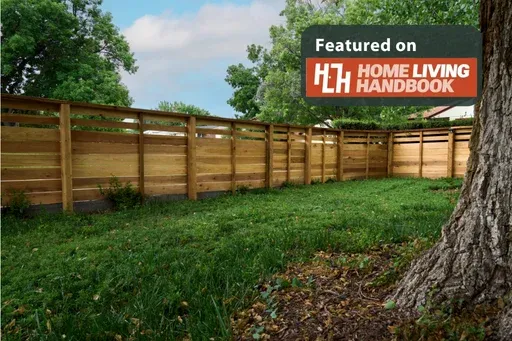
A backyard does not have to be reserved exclusively for patios, lawns, and outdoor entertaining. With thoughtful planning, part of the yard can become a dedicated place for woodworking, painting, gardening, crafting, outdoor projects, or other hobbies. For homeowners in Danbury, Top Rail Fence Danbury can help create a boundary that gives a hobby area its own identity without making the entire yard feel enclosed. A well-planned wood fence can provide structure, privacy, and visual warmth while allowing the rest of the landscape to remain open.
Turn an unused corner into a purposeful hobby area
An unused section of the backyard can have considerable potential. It might be located beside a garage, behind a shed, along the side of the house, or in a portion of the yard that receives little attention.
A wood fence can establish the edges of that space and make it easier to treat the area as a dedicated outdoor room. Instead of spreading hobby supplies throughout the yard, homeowners can create one location where tools, materials, worktables, and projects have a logical home.
Give hobbies room to develop
Different hobbies require different amounts of space. A gardener may need room for potting benches and containers, while someone interested in woodworking may need space for larger tools and materials.
The advantage of a dedicated enclosure is that the area can be designed around the activity rather than forcing the hobby to fit wherever open space happens to be available.
Keep the rest of the yard available
Creating a hobby area does not mean sacrificing the entire backyard. A strategically positioned wood fence can divide a portion of the property while leaving the patio, lawn, or garden accessible.
This approach allows multiple activities to coexist. One part of the yard can support creative projects while another remains available for family gatherings and everyday outdoor use.
Choose a wood fence style that fits the activity
The appearance of a hobby enclosure matters because it becomes part of the landscape. Fortunately, wood fence styles offer different levels of openness, privacy, and visual character.
A solid design can provide stronger separation when a hobby involves equipment or materials that homeowners prefer to keep out of sight. A more open configuration can establish a boundary without making the space feel completely enclosed.
Use privacy where the hobby needs it
Some hobbies benefit from a secluded environment. Painting, crafting, woodworking, and other focused activities can be easier to enjoy when the workspace is shielded from surrounding distractions.
A privacy fence installation can create that separation while also concealing work materials when the hobby area is not being used.
Keep visual openness where it matters
Not every hobby requires complete privacy. A gardening area, for example, may benefit from remaining visible from the rest of the yard.
In those situations, a lower or more open wood fence design can establish a clear boundary without making the garden feel disconnected.
Design around the tools and materials involved
A hobby area needs to work practically, not just look attractive. Before wood fence installation, homeowners should think about what will actually be stored and used inside the space.
Lumber, gardening tools, outdoor furniture components, bicycles, pottery supplies, painting equipment, and other materials can require different storage arrangements.
Make room for larger items
Some hobbies involve materials that cannot be carried through a narrow gate. Lumber, wheelbarrows, lawn equipment, large planters, and workbenches may require wider access.
Planning the gate at the same time as the fence ensures that the finished enclosure can accommodate the equipment needed for the hobby.
Keep frequently used supplies accessible
A hobby space becomes less useful when homeowners have to repeatedly move equipment across the yard. Positioning the enclosure near a garage, shed, or exterior door can make it easier to retrieve supplies.
The fence should support those routines rather than create unnecessary barriers.
Let the enclosure work with the Danbury landscape
A backyard in Danbury can include mature trees, established gardens, sloping terrain, stone features, decks, and other elements that influence where a fence can be installed.
The local landscape should therefore be part of the design process. A fence line that works on a flat, empty yard may require adjustments when it encounters trees, changes in elevation, or existing hardscape.
Work around established landscaping
Trees and shrubs can contribute significantly to the character of a backyard. Removing them simply to create a straight fence line may not be necessary.
A carefully planned wood fence installation can follow the property's existing features while still creating a functional hobby space.
Account for changes in elevation
Sloping yards can affect how fence panels and gates align. Following the natural grade can create a more cohesive appearance while maintaining a practical boundary.
The fence design may need to be adjusted to accommodate these changes rather than forcing the entire enclosure into a rigid configuration.
Use the fence as part of the workspace design
A wood fence does more than define the perimeter. It can become part of how the hobby area is organized.
Hooks, shelves, storage solutions, planters, and other additions may be incorporated around the workspace depending on the fence design and the intended use of the area. These details can help the enclosure function more like an outdoor room than an isolated patch of yard.
Create a backdrop for creative projects
A wood boundary can provide a natural backdrop for gardening, photography, painting, or other creative hobbies.
Its texture can also complement outdoor materials such as stone, brick, greenery, and natural wood furniture. This makes the fence feel integrated with the surrounding landscape rather than simply placed around it.
Establish a visual boundary without overpowering the property
A hobby area should feel distinct, but it should not look disconnected from the rest of the yard.
Choosing one of the more understated wood fence styles can provide enough definition without introducing an overly dominant structure. The goal is to make the space recognizable while preserving the overall character of the property.
Consider privacy and neighborhood visibility
A hobby space may face a neighboring property, driveway, road, or another part of the yard. Depending on the activity, homeowners may want some degree of visual separation.
A well-designed privacy fence installation can reduce unwanted views while creating a more focused environment for hobbies.
This can be particularly useful when the workspace contains tools, materials, or unfinished projects that homeowners do not want visible from surrounding areas.
Balance seclusion with natural light
More privacy does not necessarily mean creating a dark or closed-in space. Fence height and placement can be selected based on how much sunlight the area receives.
For hobbies such as gardening, painting, or photography, natural light may be particularly important. The fence should provide the desired screening without unnecessarily compromising the conditions needed for the activity.
Think about maintenance before choosing the final design
Wood requires ongoing care to preserve its appearance and performance. The amount of maintenance will depend on the specific wood, finish, exposure, and local conditions.
The U.S. Department of Agriculture's Wood Handbook provides detailed information about wood properties, performance, and factors that influence how wood products behave in different environments.
For a backyard hobby enclosure, understanding those considerations can help homeowners select an appropriate design and establish realistic maintenance expectations.
Make routine upkeep easier
Access should remain convenient for cleaning, staining, repairs, and general yard maintenance. Gates should provide enough room to reach both the inside and outside of the fence without creating unnecessary obstacles.
A well-planned wood fence installation considers long-term access rather than focusing only on how the finished structure looks on installation day.
Create a hobby space that can change over time
Hobbies evolve. A gardening area may eventually become a woodworking space, while a simple outdoor workshop could later accommodate additional equipment.
That makes flexibility valuable when planning a fenced enclosure. Leaving enough room for movement and allowing convenient access can make the area adaptable as interests change.
With guidance from Top Rail Fence Danbury, homeowners can consider the relationship between the fence, the existing yard, and the activities they want to accommodate rather than designing the boundary in isolation.
Give the hobby its own space without losing the backyard
A dedicated hobby area can make a backyard more useful without requiring a major property transformation. A strategically positioned wood fence can establish boundaries, provide privacy, organize equipment, and create a comfortable setting for projects while leaving the rest of the yard available for other activities.
The right wood fence styles can also complement existing landscaping and architecture, allowing the hobby area to feel like a natural extension of the property. With thoughtful wood fence installation, homeowners can create a space that works for their current interests while remaining flexible enough for future changes.
If you are considering a hobby area, privacy fence installation, or a custom wood fence for your Danbury property, Contact Us to discuss your layout and fencing goals with Top Rail Fence Danbury.