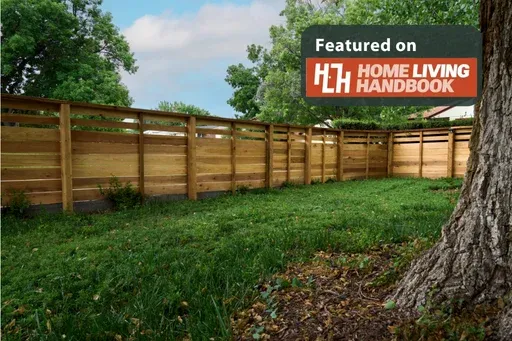
A fence can influence much more than where one property ends and another begins. The material, height, placement, and overall design can change how private a backyard feels, how it relates to neighboring activity, and how naturally the boundary fits into the landscape. For Danbury properties where privacy and character matter together, Top Rail Fence Danbury can help homeowners plan a wood fence around the property's existing layout, outdoor uses, and desired level of separation.
Giving the backyard a stronger sense of privacy
A backyard can feel exposed when neighboring homes, walkways, roads, or nearby activity remain constantly visible. A well-positioned wood fence can create a more defined visual boundary without making the property feel disconnected from its surroundings.
Wood also brings a natural appearance that can complement lawns, mature trees, gardens, patios, and other landscape elements.
Creating separation where it matters most
Privacy does not necessarily need to cover every inch of a property. A fence can be positioned around the portions of the yard where privacy has the greatest practical value.
A seating area, pool, patio, outdoor dining space, or portion of the yard facing a neighboring property may benefit from greater screening than the rest of the property.
This makes fence placement an important part of the design. Instead of simply following the entire perimeter without considering how the yard is used, the layout can account for the areas where visual separation will have the greatest impact.
Establishing a more comfortable outdoor setting
A wood fence can give an outdoor space a stronger sense of enclosure while maintaining a residential appearance.
The natural texture of wood can feel less industrial than some other fencing materials, particularly when it is coordinated with surrounding landscaping and the home's exterior.
For homeowners who want their backyard to feel more like an extension of their living space, this warmer appearance can be an important part of the overall design.
Exploring how wood can influence the property's character
Fencing occupies a noticeable position around a home. Because of that, its material and design can affect how the property looks from the street, backyard, and neighboring properties.
A wood fence offers flexibility in appearance because the material can work with different architectural styles and landscape designs.
Complementing traditional and modern homes
A traditional home may pair naturally with a straightforward wood fence featuring familiar proportions and clean lines. A more contemporary property may benefit from a simpler configuration that emphasizes horizontal or vertical patterns.
The goal is not to make the fence compete with the house. Instead, the design should reinforce the property's existing appearance.
Fence height, board arrangement, gate style, and finish can all contribute to how well the boundary fits the home.
Using the fence as part of the landscape
A fence can become a backdrop for planting beds, shrubs, ornamental trees, patios, and other outdoor features.
When landscaping is planned alongside the wood fence, the boundary can feel integrated rather than appearing as a separate structure added after the rest of the yard was completed.
This can also help soften long stretches of fencing and create visual variation along the property line.
Understanding what a wood fence can and cannot do for noise
Privacy and noise reduction are related, but they are not identical. A solid wood fence can interrupt direct views and may reduce some sound transmission, particularly when it blocks a direct line of sight between the source and the outdoor area.
However, a fence should not be presented as a complete soundproofing solution.
Reducing direct exposure to everyday activity
Traffic, neighboring conversations, outdoor equipment, and activity beyond the property can affect how peaceful a backyard feels.
A properly positioned wood fence can create a physical barrier between the yard and those surrounding activities. While sound can still travel over, around, and through the environment, reducing direct exposure may contribute to a more contained outdoor experience.
The effect depends on the fence's height, construction, location, surrounding terrain, and the type of sound involved.
Combining fencing with landscaping
Trees and shrubs can complement a fence by adding additional layers between the backyard and surrounding activity.
The University of Connecticut's Extension Forestry guidance emphasizes that landscape planning can balance goals such as beauty and privacy while considering the long-term character of a property.
A combination of fencing and appropriate landscaping can therefore create a more cohesive boundary than relying on the fence alone.
Planning the fence around the way the yard is used
A wood fence installation should reflect how the property functions. The boundary may need to accommodate children, pets, entertaining, gardening, outdoor equipment, or access to different portions of the yard.
These uses can affect where the fence and gates should be positioned.
Keeping frequently used areas accessible
A backyard may contain a shed, driveway, side entrance, garden, patio, or equipment area that needs regular access.
Gate placement should account for these movements rather than leaving important areas difficult to reach.
During fence installation, considering the routes people already use can help create a finished layout that feels practical rather than restrictive.
Protecting useful portions of the landscape
Mature trees, planting beds, drainage areas, and other landscape features should be identified before construction.
A fence line that ignores these elements can create unnecessary conflicts or require changes after work has already started.
Careful planning can help preserve valuable landscaping while establishing the desired boundary.
Finding the right level of privacy
Not every property requires the same degree of visual screening. A homeowner may want complete privacy around a patio but prefer a more open design along another portion of the yard.
This is where the flexibility of a wood fence can become useful.
Creating privacy around outdoor living areas
Patios and outdoor seating areas often benefit from a greater sense of separation. A fence can block direct views from neighboring properties and give these spaces a more defined backdrop.
The height and position should still be considered in relation to the home's windows, sunlight, landscaping, and overall yard dimensions.
The objective is to create privacy without making the space feel unnecessarily enclosed.
Leaving selected areas more open
A property does not have to use the same fencing configuration everywhere.
Some sections may benefit from greater screening, while others may remain more open to preserve views or maintain a connection with the surrounding landscape.
A carefully planned privacy fence installation can use these differences to create a more balanced property boundary.
Accounting for Danbury's property and landscape conditions
The character of a Danbury property can be influenced by its terrain, vegetation, neighboring development, and existing outdoor features. These conditions should be considered before determining the final fence line.
The city also maintains zoning regulations covering residential districts, yard requirements, maximum heights, landscape requirements, and other development considerations.
Working around mature trees
Existing trees can be an important part of a property's character. They can provide shade, visual interest, and natural screening, so removing them simply to accommodate a fence may not always be desirable.
The fence layout can instead be evaluated in relation to established trees and their surrounding space.
This is especially important where roots, trunks, and branches are located close to the proposed fence line.
Following the property's natural layout
Sloped yards, retaining walls, narrow side areas, and irregular property lines can all influence a wood fence installation.
A fence does not necessarily need to force the property into a perfectly straight configuration. Following the site's natural characteristics can produce a more appropriate result while still establishing a dependable boundary.
Choosing details that support the overall design
A wood fence can be customized through details that affect both appearance and function. These may include board orientation, spacing, fence height, gate placement, and finish.
Each element should support the purpose of the boundary.
Considering the relationship between height and openness
A taller fence can provide greater visual screening, but increasing height may also change how the yard feels.
The right proportion depends on the property's size, neighboring sightlines, intended use, and desired level of privacy.
Rather than selecting a height simply because it provides maximum coverage, homeowners can consider where screening is actually needed.
Making gates part of the design
Gates should function as practical entry points while fitting the appearance of the rest of the fence.
A gate leading toward a garden may have different requirements from one serving a driveway or side entrance. Coordinating these elements during privacy fence installation can help maintain a consistent appearance throughout the property.
Why installation quality affects the finished boundary
Even a well-designed wood fence can look inconsistent if the installation does not account for the property's terrain and existing features.
Post positioning, panel alignment, transitions, gates, corners, and changes in elevation can all influence the final appearance.
Professional fence installation can help bring these elements together and create a boundary that follows the property with greater consistency.
A measured approach can also reduce unnecessary adjustments once construction is underway.
Creating a warmer boundary that serves several purposes
A fence can provide privacy while also contributing to the personality of a home. For Danbury properties, a wood fence can establish a warmer visual boundary, create separation around outdoor living areas, and potentially help reduce some direct exposure to surrounding activity.
The strongest results come from considering the fence as part of the entire property rather than treating it as a standalone structure. Landscaping, architecture, outdoor living areas, access points, existing trees, and local requirements can all influence the final design.
Top Rail Fence Danbury can help homeowners evaluate how a wood fence could work around their property while balancing privacy, appearance, access, and outdoor use. To discuss a project, the Contact Us page provides a direct way to connect with the team about your fence installation.
When the material, placement, height, and surrounding landscape are carefully considered, a wood fence can do more than mark a property line. It can give a Danbury backyard a stronger sense of privacy, contribute to a warmer residential character, and create a more comfortable transition between the home and its surroundings. Top Rail Fence Danbury can help develop a privacy fence installation approach that fits the property's character while supporting how the outdoor space is meant to be used.