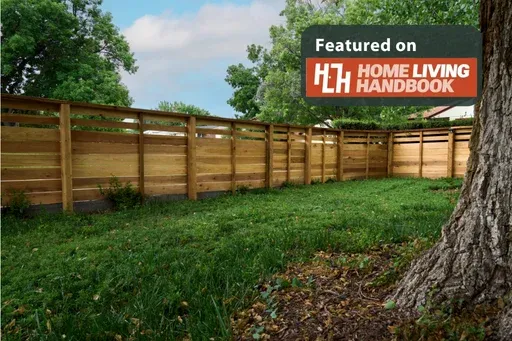
In Danbury, a thoughtfully planned wood fence installation does more than outline a property. It gradually becomes part of the landscape itself, blending into how the yard looks, feels, and functions over time. Homeowners browsing the Top Rail Fence Danbury page often begin with the goal of adding structure, but end up discovering how a fence can integrate seamlessly into natural surroundings. What starts as a boundary evolves into a feature that shapes the entire outdoor environment.
When a fence stops feeling like a barrier
At first, a fence may feel like a clear separation. Over time, it begins to feel like a natural extension of the yard.
Visual integration with the yard
A well-executed wood fence installation aligns with existing elements such as trees, garden beds, and lawn contours. Instead of standing apart, the fence begins to echo the lines and textures already present in the landscape.
Softening through natural elements
As plants grow and seasons shift, fences often become partially framed by greenery. Shrubs, climbing plants, and even shadows help soften the edges of wood fence panels, making them feel less like structures and more like part of the environment.
The influence of fence layout on landscape flow
The way a fence is positioned can change how a yard is perceived and used.
Following natural land contours
Rather than forcing straight lines, some fence styles work better when they follow the natural slope of the land. This approach helps the fence feel connected to the terrain instead of being imposed on it.
Defining without interrupting
A carefully planned wood fence installation can define spaces without breaking visual continuity. Separate areas for seating, gardening, or recreation still feel connected when the fence design supports open sightlines.
Structural elements that support integration
Behind every seamless fence is a series of structural decisions that influence how it interacts with the landscape.
Placement of the wood fence post
Each wood fence post plays a role beyond support. Spacing and alignment determine how the fence visually interacts with surrounding features. Even small adjustments can make the difference between a rigid appearance and a natural flow.
Panel orientation and rhythm
The arrangement of wood fence panels creates a rhythm across the yard. Consistent spacing can complement architectural features, while slight variations can add a more organic feel depending on the chosen fence styles.
Seasonal changes that enhance blending
In Danbury, changing seasons play a major role in how fences integrate with outdoor spaces.
Spring and summer growth
As vegetation returns, fences become partially hidden or framed by greenery. This softens the structure and enhances the sense that the fence belongs within the landscape.
Autumn color and texture
Falling leaves and shifting colors highlight the natural tones of wood. The fence begins to mirror the surrounding environment rather than contrast it.
Winter simplicity
Even in winter, when plants recede, a well-planned wood fence installation maintains its connection to the yard through alignment, proportion, and material consistency.
Choosing designs that complement the environment
Not all fence styles integrate equally with every landscape. The right choice depends on how homeowners want the fence to interact with their surroundings.
Open designs for visual continuity
More open layouts allow views to extend beyond the fence line. This creates a sense of space and keeps the yard connected to the broader environment.
Solid designs for defined spaces
More enclosed wood fence panels provide privacy and structure. When designed carefully, they still integrate well by matching natural tones and aligning with landscaping features.
Material selection and natural compatibility
The materials used in a wood fence installation directly influence how well it blends with the landscape.
Texture and grain patterns
Wood grain adds natural variation that complements outdoor environments. Unlike synthetic materials, wood evolves visually over time, helping it merge more naturally with surrounding elements.
Color and finish choices
Stains and finishes can either highlight or soften the presence of the fence. Neutral tones tend to integrate more easily, while darker finishes create contrast that can still work when balanced with landscaping.
For a deeper understanding of how wood interacts with outdoor environments, the Extension Foundation offers research-based insights on landscape design and material compatibility.
Installation decisions that shape long-term integration
Many integration challenges come down to how the fence is installed rather than how it is designed.
Precision in alignment
A precise wood fence installation ensures that lines remain consistent with the home and yard layout. Misalignment can make even high-quality fences feel disconnected from the space.
Allowing for natural movement
Wood expands and contracts with weather changes. Proper spacing between wood fence panels allows this movement without disrupting the overall look or structure.
How homeowners begin to see their fence differently
Over time, the perception of a fence shifts from structure to feature.
From boundary to backdrop
A fence often becomes the backdrop for outdoor activities. It frames gardens, seating areas, and open spaces without drawing constant attention to itself.
A living element in the yard
Because wood changes with time, the fence becomes a dynamic part of the environment. Weathering, light exposure, and seasonal shifts all contribute to its evolving appearance.
Homeowners who work with Top Rail Fence Danbury frequently notice that their fence feels less like an addition and more like a natural part of their property after the first full year.
Why thoughtful planning creates better outcomes
Integration does not happen by accident. It is the result of careful planning and informed decisions.
Balancing structure and nature
The goal of any wood fence installation should be to balance function with aesthetics. A fence should provide privacy and definition while still respecting the natural layout of the yard.
Designing with a long-term perspective
Considering how the fence will look and perform over time helps ensure it continues to blend with the landscape as conditions change.
Working with Top Rail Fence Danbury allows homeowners to align their design choices with the specific characteristics of Danbury, resulting in fences that feel connected to their surroundings from the start.
Final thoughts on landscape integration
A wood fence installation in Danbury is not just about marking boundaries. When planned thoughtfully, it becomes part of the landscape itself. From the placement of each wood fence post to the arrangement of wood fence panels, every detail contributes to how the fence interacts with the environment.
As seasons pass and the yard evolves, the fence takes on a quieter role, supporting the overall space without dominating it. For homeowners ready to create a more cohesive outdoor environment, the next step is simple. Visit the Contact Us page to connect with Top Rail Fence Danbury and start planning a fence that feels like it has always belonged.